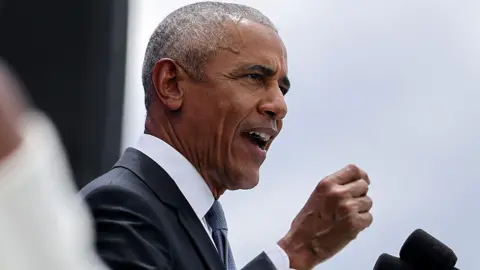
WASHINGTON (AP) — An infamous moment in 2010 saw then-Vice President Joe Biden shaking hands with President Barack Obama, whispering into his ear, “This is a big f——— deal.” Over 15 years later, open vulgarity seems to be the new normal in political rhetoric.
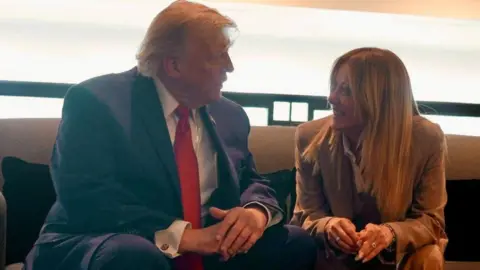
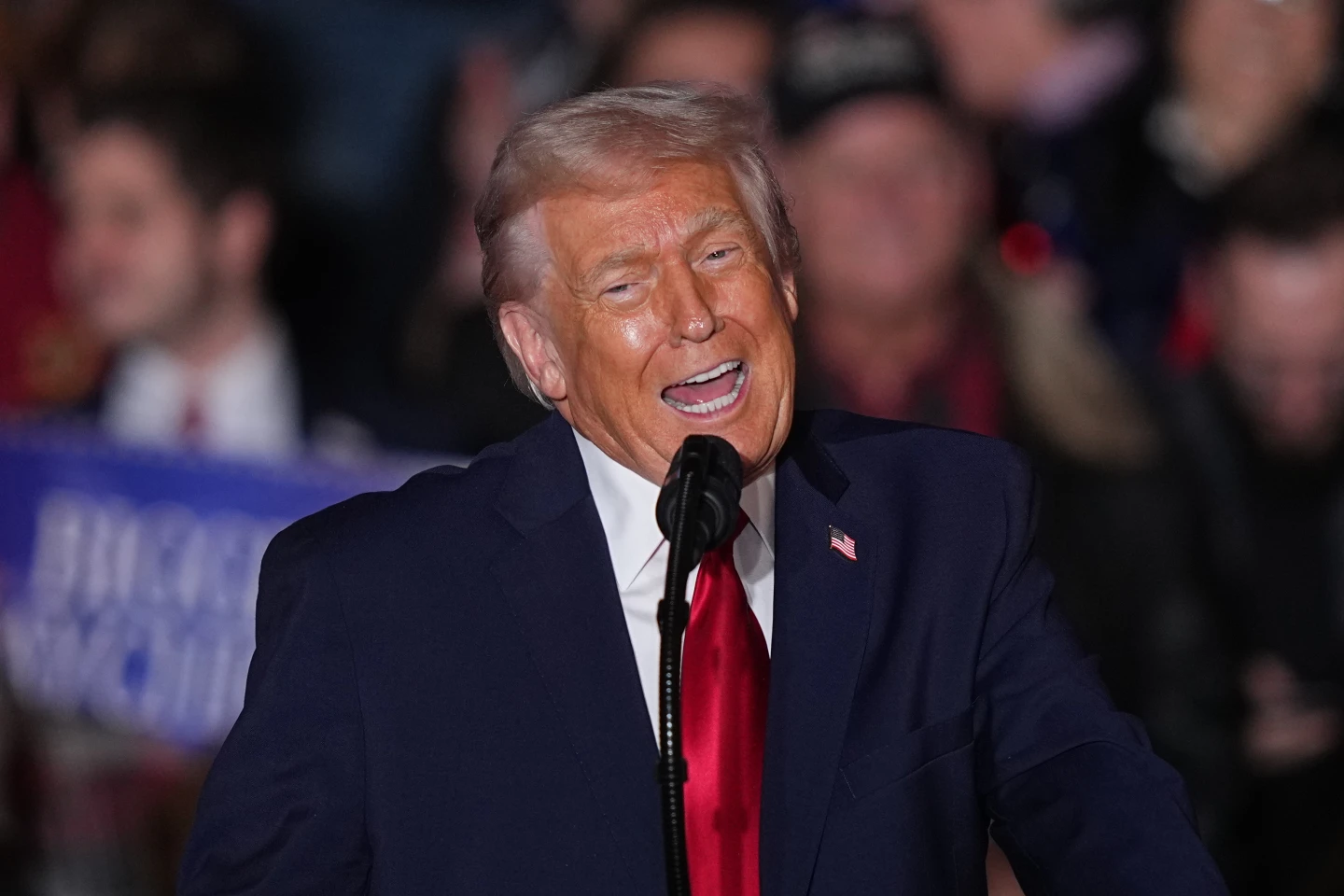
During a recent rally in Pennsylvania meant to address inflation, President Donald Trump dropped profanity multiple times, making headlines once again with remarks reminiscent of his prior controversial comments about Haiti and African nations. Trump's use of explicit language appears to be a deliberate strategy to counter what he perceives as political correctness, sparking a race among leaders across party lines to adopt more coarse language.
While Biden's outburst was unintentional, Trump's crude remarks are often public and premeditated, reflecting a societal shift where vulgar language is rewarded with engagement on social media. This trend is not limited to Trump; Democratic figures have also embraced strong language, with Kamala Harris earning applause for her colorful condemnation of political adversaries.
Yet, experts warn of the potential dangers of normalizing such discourse. The coarsening of political dialogue may dull the impact of these statements, and while some politicians argue that strong language can connect with voters, others believe it detracts from effective communication. As both parties gear up for upcoming elections, the long-term effects of this trend on political discourse remain uncertain.