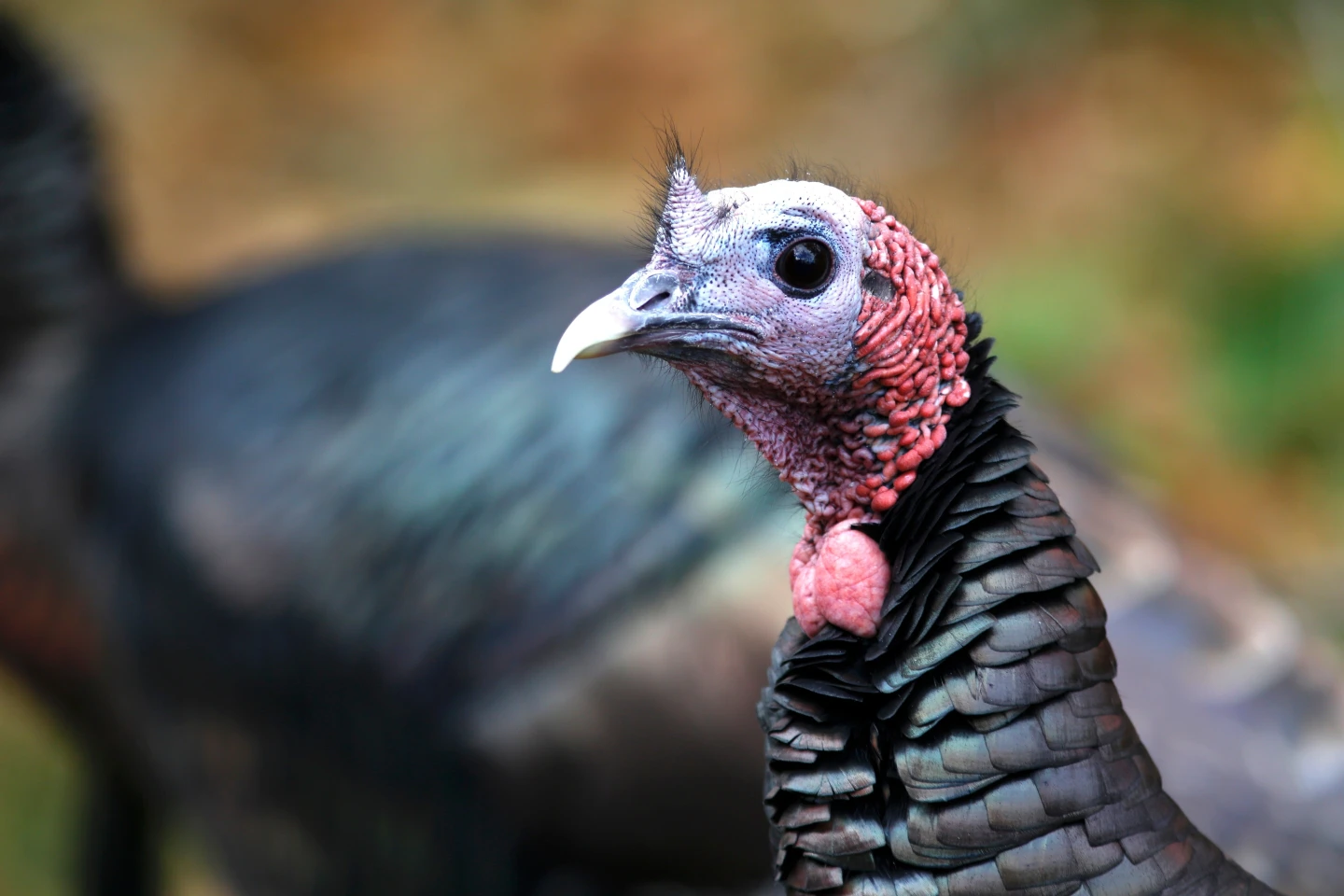
CONCORD, N.H. (AP) — While few would consider a weasel the perfect Thanksgiving centerpiece, swapping turkeys for other wildlife once became a hallmark of conservation. The wild turkey population dwindled to a mere few thousand in the late 1880s but has since soared to approximately 7 million across 49 states, along with several populations in Canada and Mexico, according to the National Wild Turkey Federation.
Intriguingly, restoration methods often involved trading wildlife instead of just hunting or breeding. For example, Oklahoma exchanged walleye and prairie chickens for turkeys from Arkansas and Missouri, while Colorado traded mountain goats for Idaho turkeys. The Canadian province of Ontario received 274 turkeys from various U.S. states in exchange for moose, river otters, and partridge.
“Wildlife biologists don’t suffer from a lack of creativity,” stated Patt Dorsey, director of conservation for the National Wild Turkey Federation’s western region.
West Virginia is notable for its active role in turkey exchanges. In 1969, the state sent 26 turkeys to New Hampshire in return for 25 fishers, prized for their pelts. Future exchanges involved otters and bobwhite quail.
“They were like our currency for all the wildlife that we restored,” commented Holly Morris, furbearer and small game project leader at the West Virginia Division of Natural Resources. “It’s just a way to help out other agencies. We’re all in the same mission.”
The wild turkey's decline started in the mid-1800s due to deforestation and overhunting. Early restoration efforts in the 1940s and 50s focusing on farming resulted in limited success, as domesticated turkeys struggled to adapt to the wild. The breakthrough came when biologists began capturing wild turkeys and relocating them.
In New Hampshire, wild turkeys had vanished for over a century until West Virginia’s flock was introduced. Although the initial group did not survive a harsh winter, another group sent from New York in 1975 thrived. Today, careful management has propelled the population to about 40,000, exceeding initial expectations.
“Turkeys are incredibly adaptive,” remarked biologist Dan Ellingwood, noting how changes in winter severity and landscape have not hindered their growth. Besides their ecological role as predators and prey, turkeys attract hunters and play a significant role in maintaining biodiversity.
Dorsey echoed this, noting that turkey restoration initiatives have fostered revitalization of other species' populations. “A lot of good work gets done on the back of the wild turkey,” she concluded.