In brief
In a shocking incident that gripped Finland, Meri-Tuuli Auer found herself ensnared in a web of fear when a hacker leaked her personal therapy notes online. Auer, among 33,000 victims of the Vastaamo hack, faced the devastating consequences of this breach of privacy. Sharing her journey, she highlights the struggles of living with the fear of exposure and the resilience she found in confronting her trauma. This case has sparked national outrage and raised questions about the safety of personal information in the digital age.
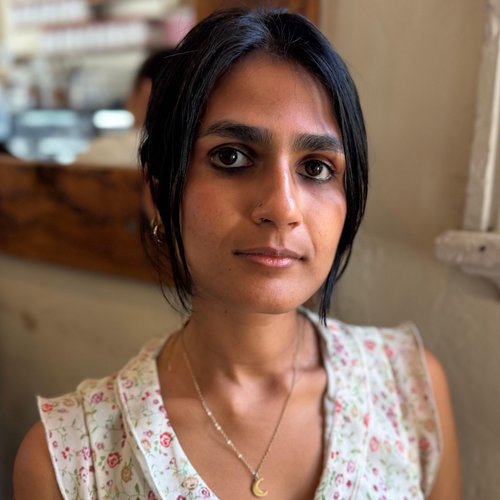
A soon as Meri-Tuuli Auer saw the subject line in her junk folder, she knew it was no ordinary spam email. It contained her full name and her social security number - the unique code Finnish people use to access public services and banking.The email was full of details about Auer no one else should know.The sender knew she had been having psychotherapy through a company called Vastaamo. They said they had hacked into Vastaamo's patient database and that they wanted Auer to pay €200 (£175) in bitcoin within 24 hours, or the price would go up to €500 within 48 hours.If she did not pay, they wrote, your information will be published for all to see, including your name, address, phone number, social security number and detailed patient records containing transcripts of your conversations with Vastaamo's therapists.That's when the fear set in, Auer, 30, tells me. I took sick leave from work, I closed myself in at home. I didn't want to leave. I didn't want people to see me. She was one of 33,000 Vastaamo patients held to ransom in October 2020 by a nameless, faceless hacker.They had shared their most intimate thoughts with their therapists including details about suicide attempts, affairs and child sexual abuse.In Finland, a country of 5.6 million people, everyone seemed to know someone who had their therapy records stolen. It became a national scandal, Finland's biggest-ever crime, and the then Prime Minister Sanna Marin convened an emergency meeting of ministers to discuss a response.The hacker had published the entire database of records stolen from the company on the dark web and an unknown number of people had read or downloaded a copy. These notes have been circulating ever since.Auer had told her therapist things that she didn't even want her closest family members to know - about her binge drinking, and a secret relationship she'd been having with a much older man. Now, her worst fears had come true.But instead of destroying her, the hack made her realise she was far more resilient than she could have ever imagined.Auer's flat, on the outskirts of Helsinki, looks joyful. Barbie memorabilia fills her shelves and there's a pole-dancing pole in the centre of her living room. But don't be fooled by how things seem on the surface, Auer says. She has struggled with depression and anxiety for most of her life.I'm outgoing and very confident and I love being around people, Auer says, but I get that inkling that they all think I'm stupid and ugly, and that my life is a continuum of mistakes. She first sought help in 2015. By the time she received the ransom email, news had already broken about the Vastaamo hack.After years of trauma, Auer requested a hard copy of her records from Vastaamo. Even five years later, victims continue to be affected. The data breach has eroded patient trust. Many who had been in therapy for years are now never going to book another session, she remarked.In an act of bravery, Auer decided to confront her fears head-on by posting on social media about her experience. Her journey has turned into a powerful narrative that speaks volumes about the implications of cyber crime and privacy in mental health.