In brief
A nearly 30‑million‑dollar bid for the T. rex called ‘Gus’ could eclipse the 8‑million‑dollar sale of ‘Sue’, making it the most expensive dinosaur ever auctioned. The find, excavated in South Dakota’s Badlands over three years, illustrates the cost, risk and time involved in recovering large, well‑preserved fossils. Critics, including leading palaeontologists, warn that selling such specimens to private collectors risks limiting scientific research and may prevent researchers from studying the bones when needed. Proponents of auction emphasise the need to recognise fossil hunters’ labour and to give specimens to the public, even through private patronage. The debate touches on conservation, scientific access and the role of wealthy donors in shaping museum collections.
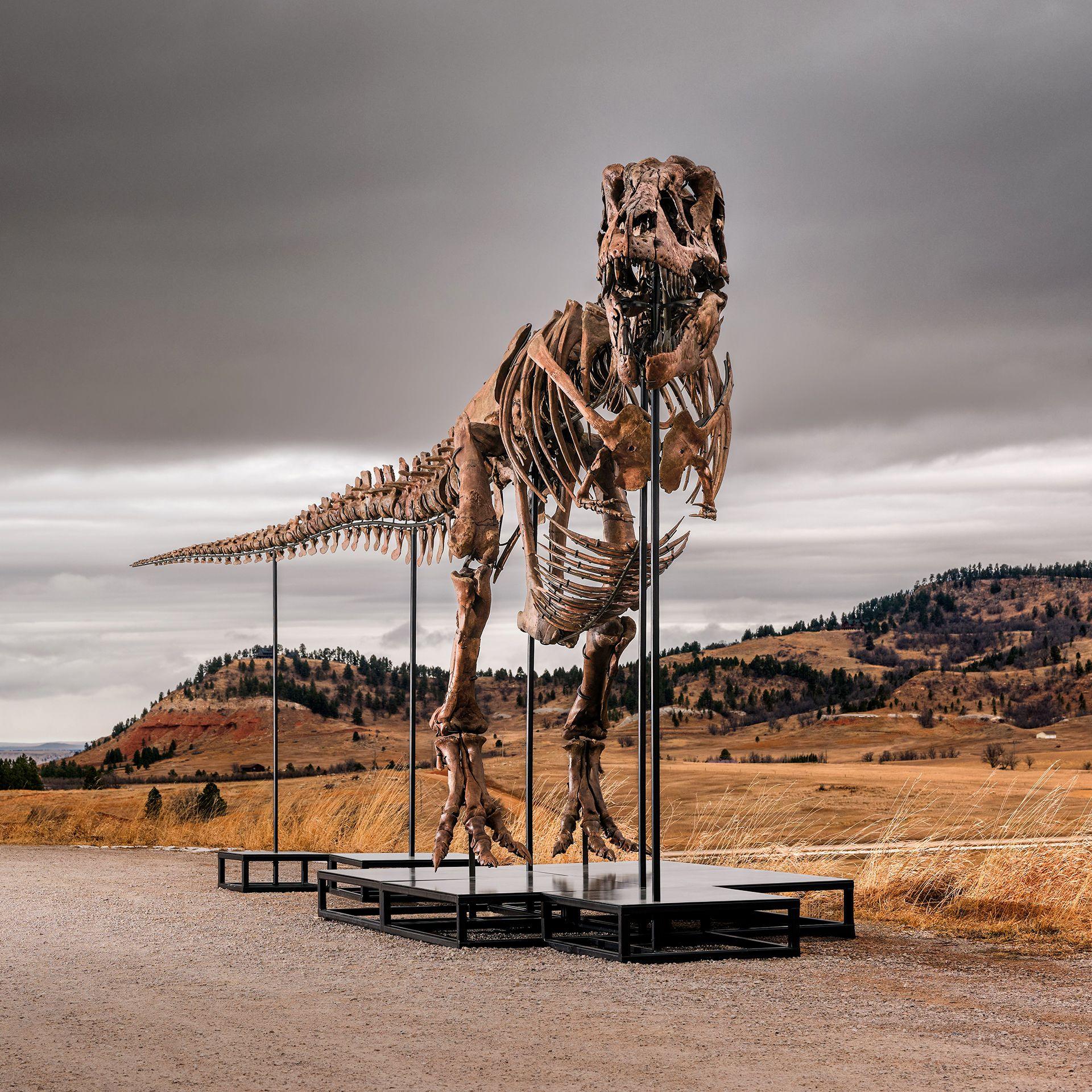
In a landmark Sotheby’s auction this Tuesday, a nearly complete T. rex specimen called Gus may fetch a record‑breaking $30 m, eclipsing the $8 m sale of the famous ‘Sue’ in 1997. If the bid reaches or exceeds the $44.6 m Stegosaurus record set in 2024, Gus would become the most expensive dinosaur ever sold.
Science and the art of collecting collide as the find, excavated in the Badlands of South Dakota over three years, works to sustain science or private wealth.
The discovery of Gus required a month‑long dig in freezing weather, followed by three years in laboratory reconstruction—time and money that humps the price tag. Cassandra Hatton, Sotheby’s global head of natural history, says the specimen’s importance lies in its 61% bone recovery and its rare damage marks that reveal a dinosaur battle. The auction, however, pits private collectors against museums. “When these fossils end up in private collections, journals will refuse to publish research on them,” says Prof. Susannah Maidment of London’s Natural History Museum, warning that the science community risks losing access to vital specimens.
The Sale’s Stakes
A starting bid of $19 m is set; institutions with high collections, such as major museums, find the price prohibitive. The auction opens a debate: should such finds remain in public trust, or do the fossil hunters deserve reward? While buyers may wind up loaning specimens back to museums, the current path risks atoms of rare scientific data dropping into private hands where access may become limited.
The Bigger Picture of Fossil Loss
Historically, many key fossils have disappeared in war or lost through private hands. Dr. Fiann Smithwick recalls the 19th‑century case of Mary Anning’s award‑winning fish fossil that was destroyed by bombing during World War II. He stresses the race to recover a specimen before it decays, noting that many finds never make it to auction houses and instead remain in museums, yet the financial lure for private owners is enticing.
In the coming months, the auction will act as a barometer for how the scientific community and the art market will collaborate on fossils. It highlights the need to keep such specimens available for study, while recognising the costs that fossil hunters bear to bring them to light.