
In brief
As Syria's interim leaders navigate a complex relationship with Russia, many Syrians hope for a liberation from Moscow's military presence, citing grievances stemming from the lengthy Civil War. The demand for the exit of Russian forces contrasts with pragmatic diplomatic necessities voiced by current leadership, as the nation grapples with its past alliances and aims for reconstruction in a post-Assad era.
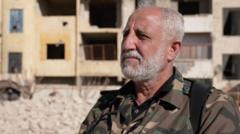
For years, Russia's influence in Syria has intertwined with the fate of the war-torn nation, leaving many civilians and fighters yearning for a way forward without the Kremlin's imposing presence. Ahmed Taha, a novice rebel commander from Douma, illustrates this sentiment clearly, asserting that although he personally sees Russia as an adversary, strategic decisions by Syria's interim leaders must be taken into account.Historically, the partnership between Russia and Syria provided significant military backing for the Assad regime, permitting Moscow to establish critical Mediterranean military bases that expanded its geopolitical ambition in the region. Since Russia's military intervention began in 2015, the Kremlin has found itself embroiled in a cycle of destruction and conflict, leaving cities like Douma devastated after enduring some of the fiercest battles in Syria's ongoing civil war.Soldiers like Taha transformed from tradesmen into warriors against the Assad regime amid the government’s brutal crackdown on peaceful protests beginning in 2011. In the aftermath of the conflict, a new narrative has emerged, categorizing Russian forces not as protectors but as enablers of continued violence against the Syrian people.The portrayal of Russia as a perpetrator is shared by others, including the Christian communities in Damascus that had looked to Moscow for support. Many individuals recount their unmet expectations, observing that instead of assisting in their protection, Russian involvement has deepened the devastation plaguing their homes.Despite rampant calls for Russian withdrawal from Syria, the interim leadership, represented by Ahmed al-Sharaa, views the relationship with Russia as potentially advantageous. Their diplomatic communications suggest a measured approach, relying on Moscow’s long-standing military ties to rebuild the Syrian defense forces.Experts like defense analyst Turki al-Hassan warn that disentangling the military ties established over decades will not be a straightforward task, as Syria's army has been heavily equipped with Russian armaments since the Soviet era. As the nation strives for stability, the intricate balance between abandoning Russia’s influence and securing essential military support looms large on the horizon.In a bid for reconstruction, Russian authorities have voiced tentative cooperation, with hopes of providing humanitarian aid that aligns with new leadership in Syria. However, the evolving relationship remains tenuous, as an entire generation of Syrians continues to grapple with the ramifications of warfare and the foreign intervention that shaped their present.
