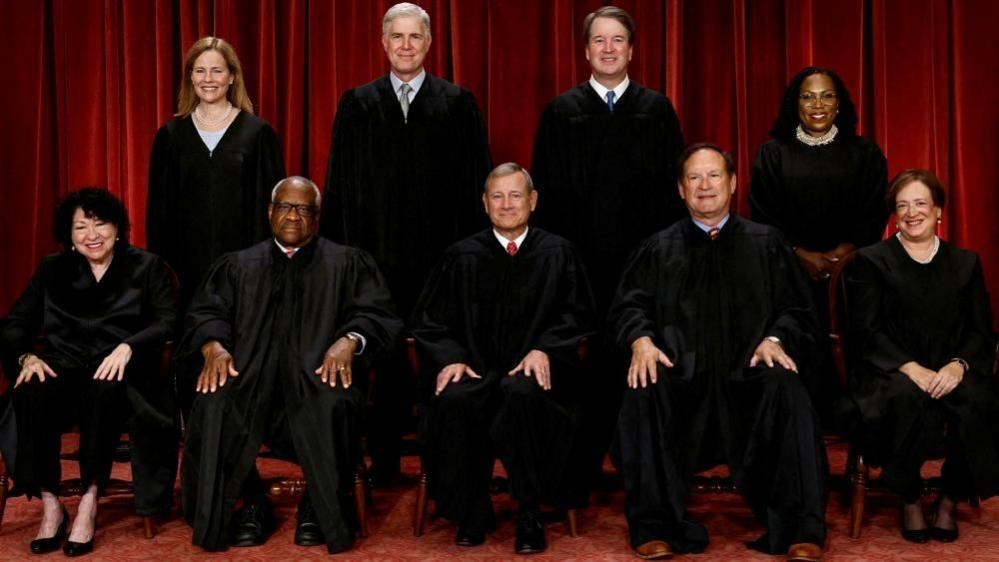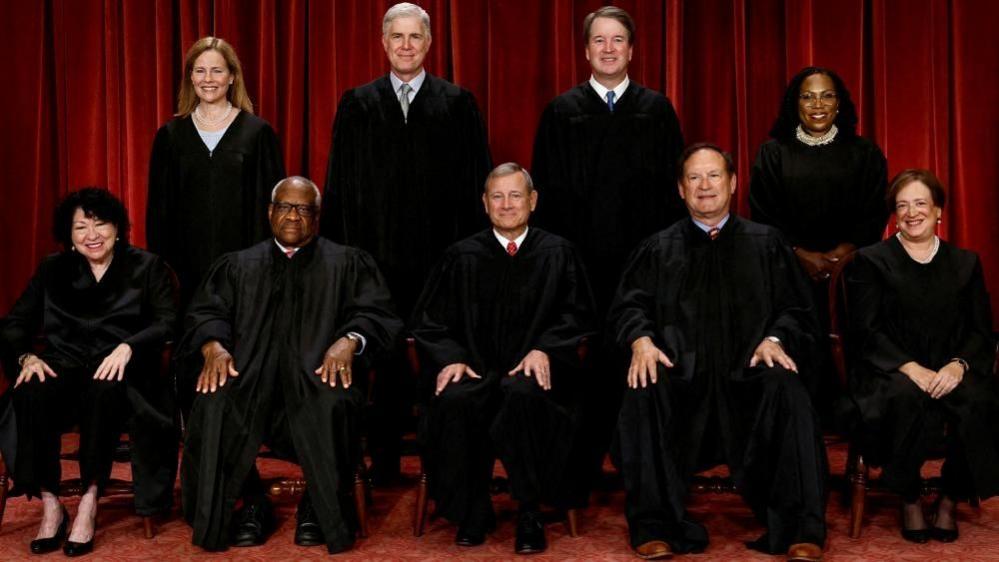
The U.S. Supreme Court has just handed Donald Trump a major legal defeat by ruling that children born on U.S. soil to temporary visitors and undocumented migrants retain their birthright citizenship. The decision, split 5‑to‑4, preserves the longstanding constitutional principle that anyone born within the country becomes a citizen.
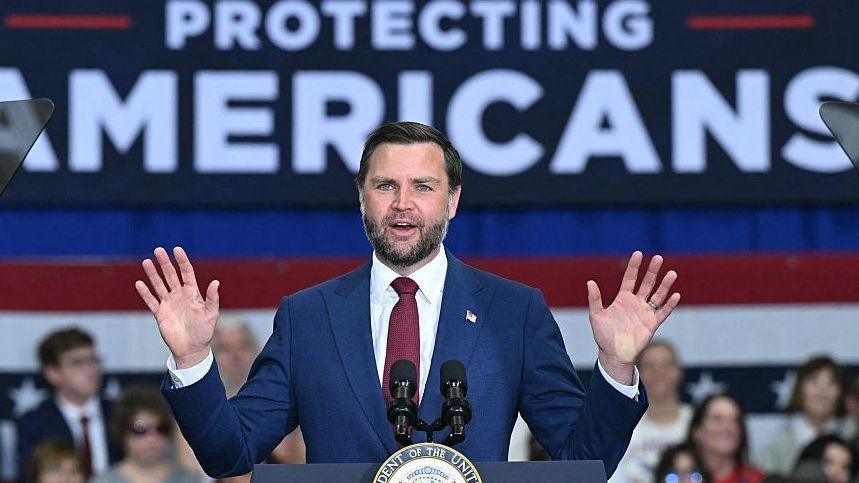
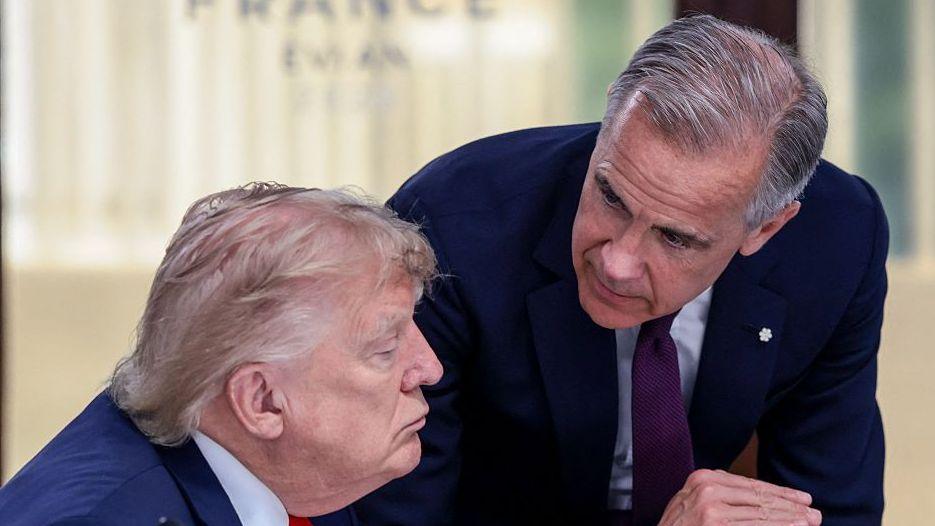
Trump’s reaction was restrained. He called the ruling *too bad for our country* and subsequently endorsed legislation that would seek to limit birthright citizenship, though congressional support for that is unlikely and the law may face constitutionality challenges.
The Supreme Court’s conservative majority has historically expanded executive power for Trump. Earlier this term it blocked a new tariff program that Trump had introduced by decree, and it also held back the president’s attempt to deploy the National Guard in Chicago. In each case the Court used the new legal theories that helped Trump push the limits of presidential authority.
In addition to the high‑profile cases, the Court has granted Trump and future presidents greater influence over federal agencies. A recent ruling allowed Trump to dismiss heads of independent regulatory bodies purely on policy disagreements. The Court also carved out an exception for the Federal Reserve, further bolstering executive sway over economic policy.
The Court has also made gains for immigration enforcement and election law. It upheld Trump's revocation of temporary protected status for Haitian and Syrian immigrants and made it tougher for refugees to claim asylum by requiring physical presence in the U.S. The Court also loosened campaign‑finance limits, giving the Republican Party a potential advantage in upcoming midterm elections. Moreover, a 6‑to‑3 vote struck down parts of the 1965 Voting Rights Act that had protected minority voting power, allowing state legislatures to redraw districts in favor of Republicans.
Although Trump is likely frustrated by the birthright decision, his broader legal empire has received a considerable boost. Analysts note that the Court’s conservative majority remains the most expansive in recent history, providing a platform that future presidents will be able to use to advance their agendas.