
In brief
In a remarkable conservation effort, over 1,300 pea-sized, critically endangered snails have been released on Bugio Island after being bred at Chester Zoo. This initiative brings back to life two species previously believed extinct, showcasing the importance of community-driven biodiversity conservation.
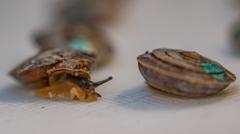
More than 1,300 one-centimeter snails, classified as critically endangered, have been reintroduced to their natural habitat on Bugio Island, part of the Ilhas Desertas archipelago. This initiative marks a significant win for conservationists working to save two species of Desertas Island land snails, which were not seen for a century before being rediscovered. The snails were previously thought to be extinct, primarily due to habitat destruction caused by invasive species, including rats and goats.The conservation team conducted successful expeditions from 2012 to 2017, uncovering a small population of 200 snails clinging to survival on the rocky cliffs of Deserta Grande, close to Madeira. These individuals were then captured and housed in specialized environments at various zoological institutions, including Chester Zoo. The zoo’s conservation science team dedicated itself to recreating suitable environments for the snails, allowing them to thrive and reproduce.Chester Zoo proudly announced that 1,329 snail offspring have now been labeled with color-coded identification dots made from non-toxic materials to facilitate post-release observation. Conservation biologist Dinarte Teixeira stated that this method would enable tracking of their dispersal, growth rates, survival, and adaptation to the restored eco-system.Before releasing the snails onto Bugio, which has been designated as a nature reserve free of invasive predators, conservationists prepared the site by eradicating invasive species. Gerardo Garcia from Chester Zoo emphasized that this release is a pivotal part of the species recovery plan, and if successful, more snails could follow in the spring.Heather Prince, also from Chester Zoo, highlighted the ecological importance of snails as decomposers, indicating that they play a crucial role in nutrient cycling, thereby aiding plant growth. This successful release illustrates a community-focused approach to biodiversity restoration and emphasizes the role of smaller species, often overlooked, in maintaining healthy ecosystems.
