In brief
After a brief stand‑off caused by fierce El Niño‑driven winds, researchers have recommenced their search off Nikumaroro Island, hoping to locate the wreckage of Amelia Earhart’s 1937 Electra. The team, led by Purdue University scientists, has already begun underwater surveys and is moving into the next phase of probing the Taraia Object—a suspected aircraft fragment visible on satellite images. While unpredictable weather slowed progress, the crew remains optimistic that the island’s lagoon could hold answers to the aviator’s disappearance. The expedition will share further findings once the fieldwork concludes.
The search for the lost wreck of Amelia Earhart’s 1937 Lockheed Electra has resumed on Nikumaroro Island after a brief pause caused by rough seas and strong winds.
Team members from Purdue University and the U.S.‑based Archaeological Legacy Institute have now returned to the uninhabited atoll, preparing to launch a second phase of the underwater survey that will probe the so‑called Taraia Object—an intriguing shape spotted in the lagoon on satellite images and believed by some to be the airplane’s remains.
The expedition, which arrived last week, had to stay aboard the research vessel for three days while El Niño‑driven turbulence made navigation unsafe. Officials said wind gusts up to 27 knots threatened to wreck the launch boat in the reef’s narrow passage created by British ordnance in 1963.
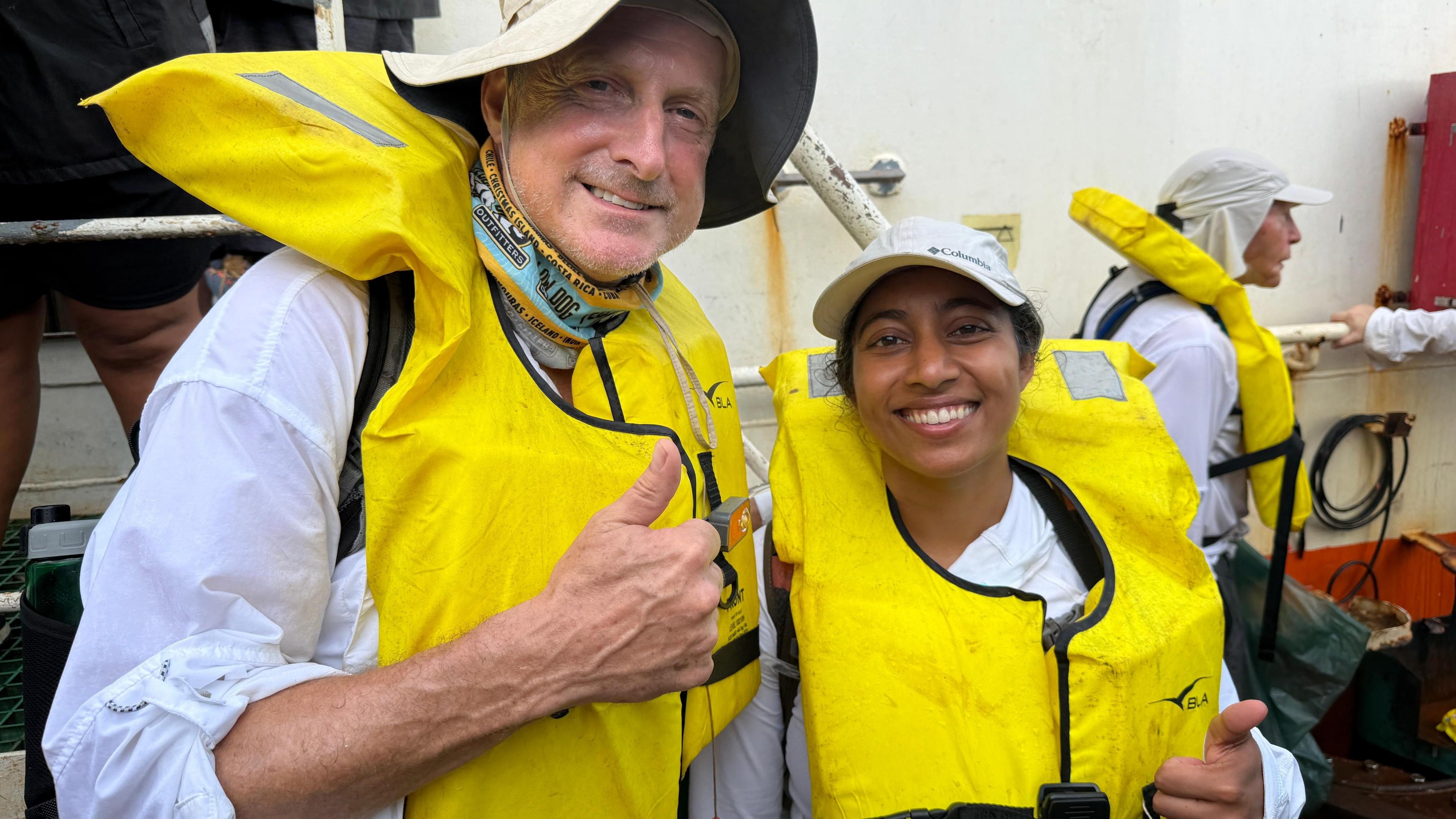
“We’re finally getting off the ship and ready to land on Nikumaroro,” said technology specialist Sirisha Bandla in a video update. She added that the crew is excited about the prospects of uncovering new evidence.
The island’s history is already mired in mystery: the SS Norwich City merchant vessel ran aground there in 1929, and a 15‑year‑old Florida resident once claimed to have heard Earhart saying “New York City” on her radio after disappearance, a clue that some castaway theories use to link her to the lagoon.
Last year, sonar imaging near Howland Island suggested a possible wreck at 4,877 m depth, but the find was later proven to be a natural rock formation. A 2019 attempt to verify a photograph of suspected landing gear also failed to locate any trace of the plane.
The Purdue‑led team has extended the expedition’s timetable to cover the research needed, promising to share results as soon as they are ready. Their findings could finally shed light on one of aviation’s most enduring mysteries.