
In brief
The recent UK-EU agreement, described by leaders as a significant milestone, aims to improve relations post-Brexit, addressing issues in trade, defence, and more, although numerous details still require negotiation.
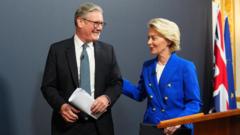
The recent landmark agreement between the UK and the EU has prompted leaders from both parties to announce the dawning of a "new chapter" in their post-Brexit relationship. UK Prime Minister Sir Keir Starmer and EU chief Ursula von der Leyen spoke optimistically about shared benefits arising from the deal, which was established during the bloc’s first summit with the UK since Brexit."This is a moment of turning a page," von der Leyen stated on Monday, reflecting on the potential significance of the agreement, which addresses crucial matters including fishing rights, trade regulations, defence collaboration, and energy policies. Despite earlier tensions and a protracted negotiation process, there is a sense that the agreement signifies a shift in the political climate between London and Brussels.The summit serves as a clear indication of the necessity for the EU to strengthen ties with the UK, particularly given Britain's status as a key defence player during a time of considerable geopolitical instability. Before this agreement, many had felt a reluctance within EU ranks to comprehensively revisit the post-Brexit landscape due to fears it could lead to complications. Notably, the Northern Ireland trade arrangement has been an ongoing point of contention.The Labour Party's recent rise to power in the UK has been a game-changer, prompting a more EU-friendly stance that contrasts sharply with the previous Conservative government's approach. While some Brexit advocates criticize the new deal as a concession of sovereignty, EU diplomats express relief at establishing a more stable and predictable framework.Among the highlights of the agreement is a commitment to fishing quotas locked in for the next 12 years, a detail that has been met with enthusiasm in certain EU circles. In return, UK businesses can expect improved access to export markets for agri-food products, although this aspect requires further clarification.Additionally, negotiations regarding youth mobility—facilitating opportunities for young people to study or work across the UK and EU—are still pending, with nations like Germany eager to strengthen connections with an English-speaking partner known for its academic institutions.Another critical component of the new agreement involves intensified collaboration on defence and security amid escalating global threats, including Russia's aggressive actions in Ukraine. Both sides recognize the urgency to bolster capacities to respond effectively to evolving challenges and demands within the region.Although the agreement signifies progress, it remains primarily a framework of intentions, leaving many details unsettled. Conversations surrounding cyber security, energy cooperation, and migration are ongoing, reinforcing the notion that this "reset" is just the beginning of a more engaged relationship between the UK and EU.As diplomatic interactions increase, it will be essential for both parties to maintain clear lines of communication to navigate the complexities of these negotiations. The gravity of this moment suggests that the relationship is poised for meaningful evolution moving forward, although watchful caution remains prominent in Brussels as both sides explore new pathways for collaboration.
