Saudi Arabia has surpassed its record for the number of executions carried out annually for a second year in a row.
At least 347 people have now been put to death this year, up from a total of 345 in 2024, according to the UK-based campaign group Reprieve, which tracks executions in Saudi Arabia and has clients on death row.
It said this was the bloodiest year of executions in the kingdom since monitoring began.
The latest prisoners to be executed were two Pakistani nationals convicted of drug-related offences.
Others put to death this year include a journalist and two young men who were children at the time of their alleged protest-related crimes. Five were women.
According to Reprieve, most - around two thirds - were convicted of non-lethal drug-related offences, which the UN says is incompatible with international norms and standards.
More than half of them were foreign nationals who appear to have been put to death as part of a war on drugs in the kingdom.
The Saudi authorities have not responded to requests for comment on the rise in executions.
Saudi Arabia is operating with complete impunity now, said Jeed Basyouni, Reprieve's head of death penalty for the Middle East and North Africa. It's almost making a mockery of the human rights system.
She described torture and forced confessions as endemic within the Saudi criminal justice system.
Ms Basyouni called it a brutal and arbitrary crackdown in which innocent people and those on the margins of society have been caught up.
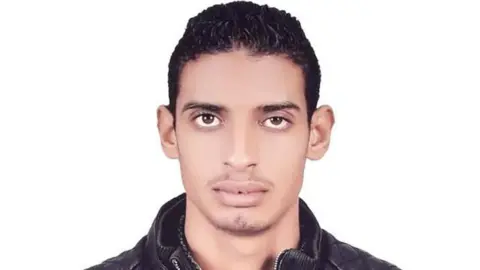
Tuesday saw the execution of a young Egyptian fisherman, Issam al-Shazly, who was arrested in 2021 in Saudi territorial waters and said he had been coerced into smuggling drugs.
Reprieve reports that 96 of the executions were solely linked to hashish.
It almost seems that it doesn't matter to them who they execute, as long as they send a message to society that there's a zero-tolerance policy on whatever issue they're talking about - whether it's protests, freedom of expression, or drugs, said Ms Basyouni.
There has been a surge of drug-related executions since the Saudi authorities ended an unofficial moratorium in late 2022 - a step described as deeply regrettable by the UN human rights office.
Speaking anonymously to the BBC, relatives of men on death row on drug charges have spoken of the terror they're now living in.
One told the BBC: The only time of the week that I sleep is on Friday and Saturday because there are no executions on those days.
Cellmates witness people they have shared prison life with for years being dragged kicking and screaming to their death, according to Reprieve.
The de facto ruler of Saudi Arabia, Mohammed bin Salman, who became crown prince in 2017, has changed the country profoundly over the past few years, loosening social restrictions while simultaneously silencing criticism.
In a bid to diversify its economy away from oil, he has opened Saudi Arabia up to the outside world, taken the religious police off the streets, and allowed women to drive.
But the kingdom's human rights record remains abysmal, according to the US-based campaign group Human Rights Watch, with the high level of executions a major concern. In recent years, only China and Iran have put more people to death, according to human rights activists.
In a statement sent to the BBC, the UN's special rapporteur on extrajudicial, summary or arbitrary executions, Dr Morris Tidball-Binz, called for an immediate moratorium on executions in Saudi Arabia with a view to abolition, as well as full compliance with international safeguards (including effective legal assistance and consular access for foreign nationals), prompt notification of families, the return of remains without delay and the publication of comprehensive execution data to enable independent scrutiny.