In brief
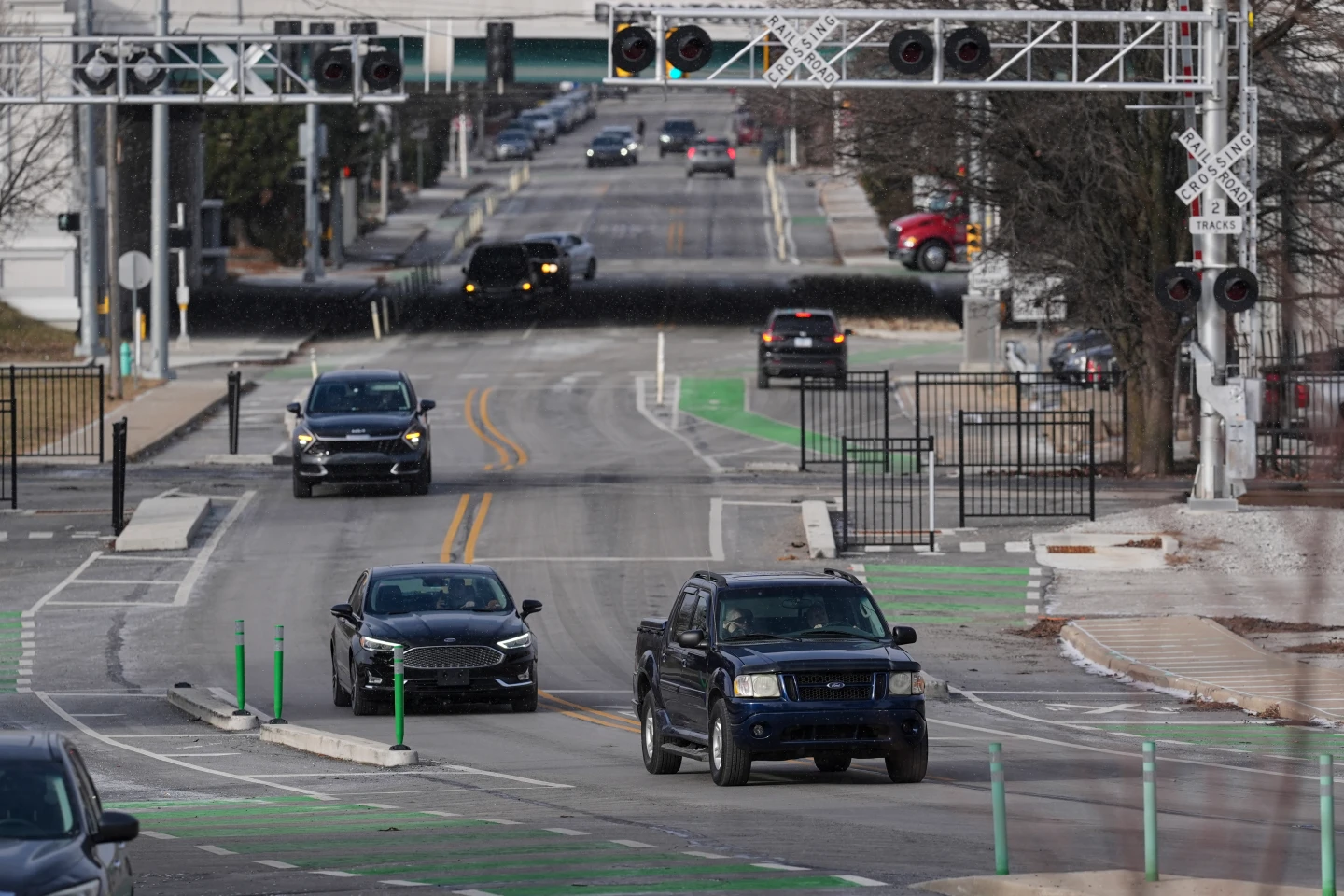
Indianapolis has converted its notorious one-way streets back to two-way, a decision mirroring trends in cities like Louisville and Austin. These changes aim to improve pedestrian safety and revive local economies, demonstrating the benefits of multifaceted street designs.
Excessive speeding was prevalent on one-way streets near an electronics plant in Indianapolis, leading residents to nickname them a racetrack. These streets were originally two-way thoroughfares before their conversion in the 1970s aimed at facilitating RCA workers' commutes. After the plant's closure in 1995, however, the empty roads invited reckless driving until their recent conversion back to two-way streets.
James Taylor, who runs a nearby community center, expressed the transformation's positive impact on local perceptions of the corridor. As urban planners nationwide seek to restore two-way streets, they find this approach an effective strategy to enhance safety and draw more visitors and residents to downtown areas.
A Shift in Street Design
Dave Amos, a professor of city planning, noted that one-way streets are often designed for swift vehicular movement, sidelining pedestrian safety. An engineer involved in various street redesigns highlighted that the perception of one-way streets being safer is misleading. In practice, pedestrians face more complex traffic sequences at intersections when one-way streets merge with two-way roads.
Impact on Community Connectivity
In Louisville, Kentucky, ongoing projects are working to restore two-way systems that were altered decades ago, with many neighborhoods feeling the adverse effects of previous one-way configurations. Michael King, a transportation planning official, pointed out the significant decline in business vitality and community connectivity due to these changes. In Chattanooga, a similar situation arose when two-way streets were converted, leading to increased business vacancies.
Community Backlash to Change
As cities like Lynchburg and Austin consider returning to two-way streets, local businesses initially expressed skepticism. Yet, many in the community later acknowledged the benefits, as seen with Rodney Taylor's experience and Adam Greenfield's advocacy. Traffic pattern changes have often led to positive developments, prompting calls for more cities to embrace these reconstructions.
Future Developments
With Indianapolis completing its street redesigns, plans are underway for an additional ten conversions, costing around $60 million. The anticipated benefits include heightened commercial activity and improved community interactions. As James Taylor reflects on changes after decades, he sees these new street perspectives as hopeful for the future.