
In brief
Israelis and Gazans respond to Trump's electoral victory with a blend of optimism and skepticism about future U.S. involvement in the region, highlighting the complex dynamics at play.
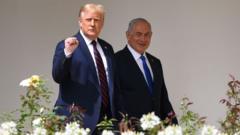
Amid the vibrant atmosphere surrounding the U.S. consulate in Jerusalem, feelings of anticipation run high as Donald Trump returns as president-elect, with many in Israel eagerly discussing the implications. Some, including rabbi Rafael Shore from Jerusalem's Old City, feel optimistic about Trump's understanding of Middle Eastern dynamics, believing he will deter threats from Iran. "If Kamala had been elected, there wouldn't be much fear in the Middle East," Shore commented, expressing support for the former president.Israeli Prime Minister Benjamin Netanyahu, quick to congratulate Trump on "history's greatest comeback," has consistently hailed him as one of Israel's most supportive U.S. presidents. With Trump's previous actions, including dismantling the Iran nuclear deal and recognizing Jerusalem as Israel’s capital, many in Israel look back on his term with appreciation. Michael Oren, a former Israeli ambassador to the U.S., described Trump's first term as "exemplary" for Israel but emphasized the need for pragmatism regarding the president’s stance on military engagements and Israeli settlements.However, a potential rift looms between Trump and Netanyahu, particularly with far-right factions in the Israeli coalition that may resist some of Trump’s ideas. There is concern that Netanyahu might prioritize coalition stability over fulfilling Trump's demands, especially in the context of the ongoing conflict with Hamas in Gaza. As military operations continue, Gazans hope for a decisive intervention from the U.S. to bring about peace. Many express fatigue over the prolonged violence, with residents like Ahmed advocating for an end to hostilities rather than political gamesmanship.On the Palestinian side, skepticism towards U.S. involvement remains strong. Members of the Palestinian Authority, such as Sabri Saidam, call for a "Trump 2.0" who would genuinely address the conflict's root causes rather than merely reinforcing existing policies that favor Israel. As Trump’s presidency begins again, Israelis seem to be divided between those who remember his earlier achievements and those who caution that his unpredictable nature could lead to increased instability. With pressures mounting from all sides, the challenge for both leaders will be to navigate their respective positions and the complex geopolitical landscape of the Middle East, which has grown increasingly fraught since Trump last held office.
