
In brief
As tensions rise, experts warn about the rapid spread of misleading content designed to manipulate public perception and inflame the situation.
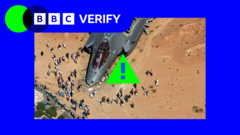
In the wake of Israel's airstrikes on Iran that commenced on June 13, an unprecedented wave of disinformation has erupted online, driven largely by generative AI technology. This digital propaganda aims to manipulate perceptions and bolster the narratives surrounding the conflict. An analysis by BBC Verify indicates that numerous AI-crafted videos and images have circulated, depicting exaggerated Iranian military capabilities and misleading claims about attacks on Israeli targets.The data reveal that the top three fabricated videos collectively garnered over 100 million views, showcasing their extensive reach across multiple social media platforms. Pro-Iranian accounts have been particularly prolific, using AI-generated visuals to promote victories in the conflict. Conversely, pro-Israeli accounts have resorted to sharing outdated footage purportedly indicating growing dissent within Iran against its government.One online verification organization highlighted the astonishing level of AI-generated disinformation, pointing to a phenomenon where certain "engagement farmers" profit from disseminating misleading content associated with the conflict. Information shared ranges from unconnected footage from unrelated regions to outdated clips linked to previous military actions — all designed to attract social media engagement and virality.The engagement metrics for some accounts are striking; for instance, the Daily Iran Military account saw its followers swell from 700,000 to 1.4 million within just a week, tapping into the chaos for growth. However, many of these profiles mimic official accounts, leading to misinformation being perceived as credible.Experts assert that this marks the first significant instance of generative AI being applied extensively in a conflict context. AI images and videos often exaggerate Iran's military retaliation, showcasing scenarios such as a massive missile barrage on Tel Aviv — footage that has yet to be substantiated. Furthermore, claims of destroyed Israeli F-35 jets predominantly rest on manipulated images and videos, with experts stressing that no credible evidence has emerged to verify such incidents.Misleading posts have not remained confined to fringe accounts; mainstream platforms like X (formerly Twitter) are also inundated with disinformation, with users increasingly relying on AI chatbots—like Grok—to validate content. However, these chatbots have been known to misidentify AI-generated material as authentic amidst numerous misleading visuals. Social media giant TikTok stated that it aims to maintain standards against misinformation, proactively enforcing guidelines aimed at curbing misleading content.The motivations behind this spread of disinformation vary, with some entities appearing to monetize the ensuing chaos, given that certain platforms provide financial incentives based on engagement metrics. Academics note that the emotional nature of conflicts feeds into the rapid dissemination of sensationalist content that aligns with users' political identities.As the conflict continues to escalate and complicate international relations, the threat posed by disinformation—particularly via AI—presents significant challenges for media literacy and public understanding of the ongoing crisis in the region.


