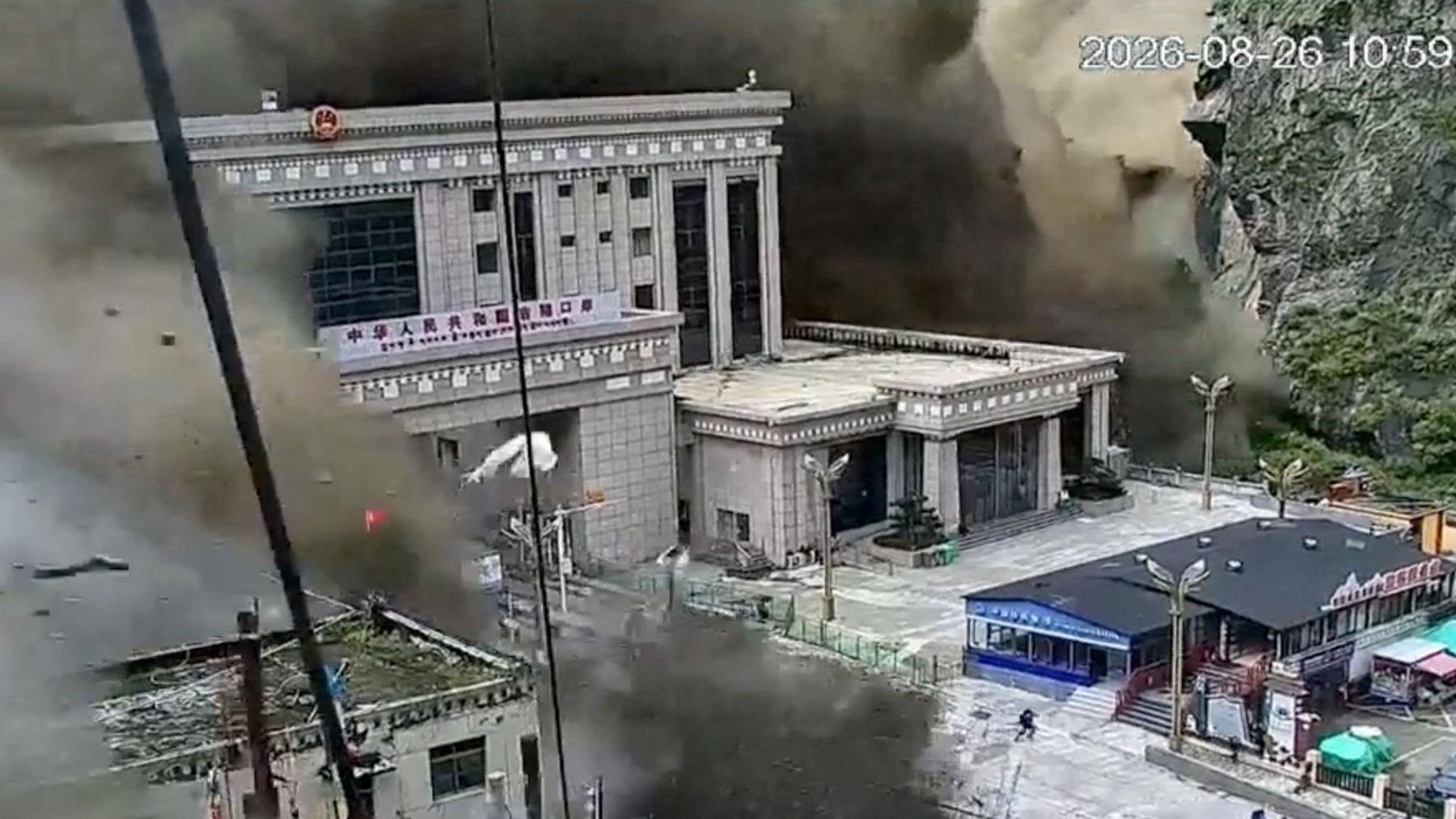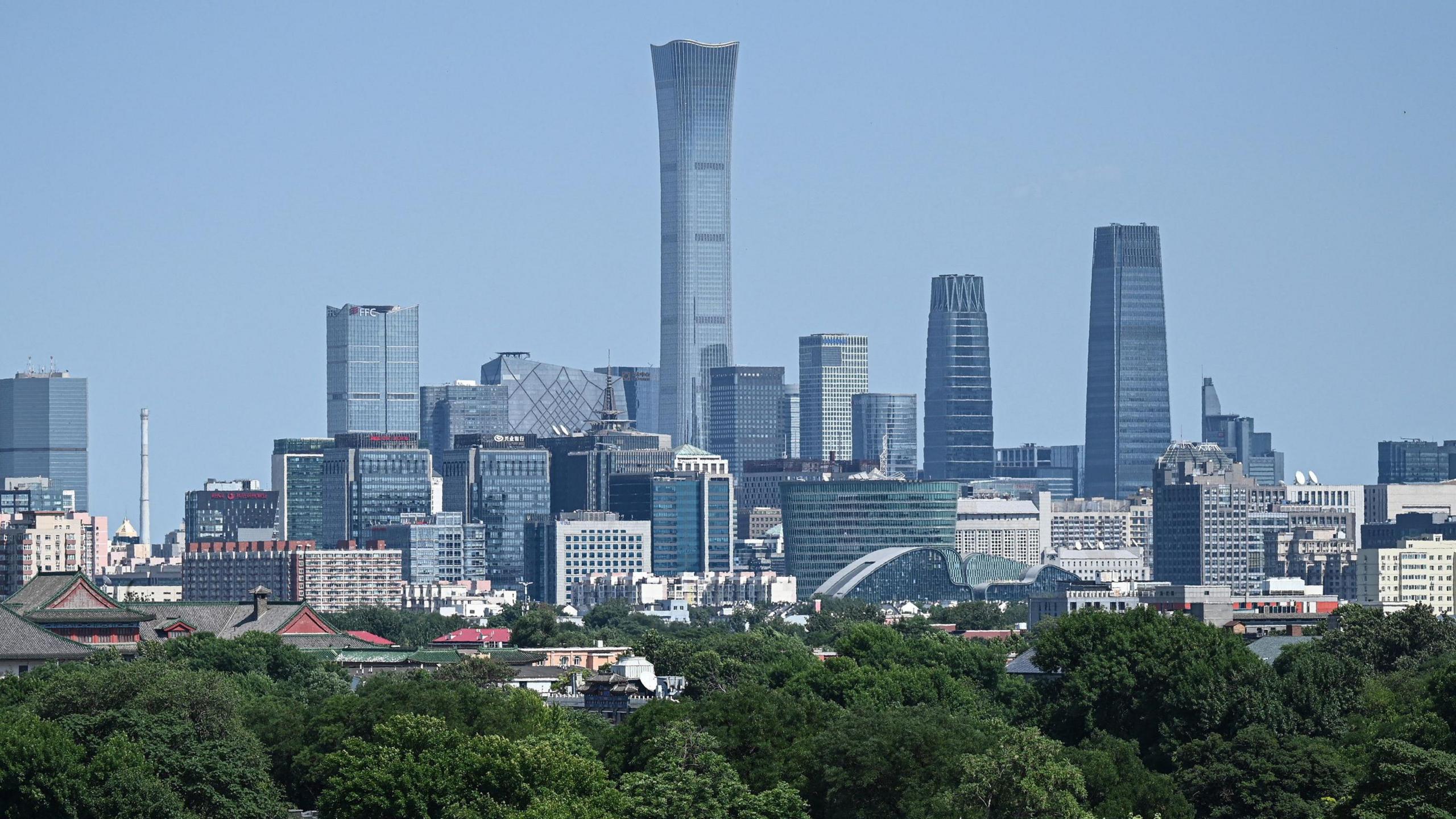
Four days have passed since a 60‑word report in the state‑owned Beijing Daily announced a small aircraft slammed into the 109‑storey CITIC Tower adjacent to Zhongnanhai, killing the pilot and wounding 13 people.
The incident left a sizeable breach in the tower’s façade, which has since been boarded up, and dramatic footage of the impact has been scrubbed from the internet. Three aviation firms told us that light‑aircraft operations have been suspended after the crash, but insisted they were instructed not to elaborate.
The crash occurred within Beijing’s permanent no‑fly zone of roughly 100 km² that encircles Tiananmen Square and Zhongnanhai, the heavily guarded compound where China’s top leaders work and live. The fact that a small plane managed to fly across the city and near the political heart has drawn comparisons to past aviation breaches, such as German pilot Mathias Rust’s 1987 landing in Moscow.
Experts say the plane, a China‑made Aurora SA60L, is a two‑seat, single‑engine aircraft designed for touring and aerial photography. It may have suffered a mechanical failure, or it could have been deliberate, raises questions that, if true, could lead to serious political fallout.
China’s censorship machinery was remarkably swift; images and memes of the CITIC Tower— popular among locals and seen as a lucky charm—have been removed from Chinese social media. Analysts warn that uncertainty about what occurred threatens “important party narratives” and could be seen as a major security lapse.
The incident has also prompted further tightening of drone rules, with new regulations now requiring registration before drones can enter or leave the capital city. The investigation’s outcome will determine whether officials at the center of Beijing’s air‑space control will face political consequences.