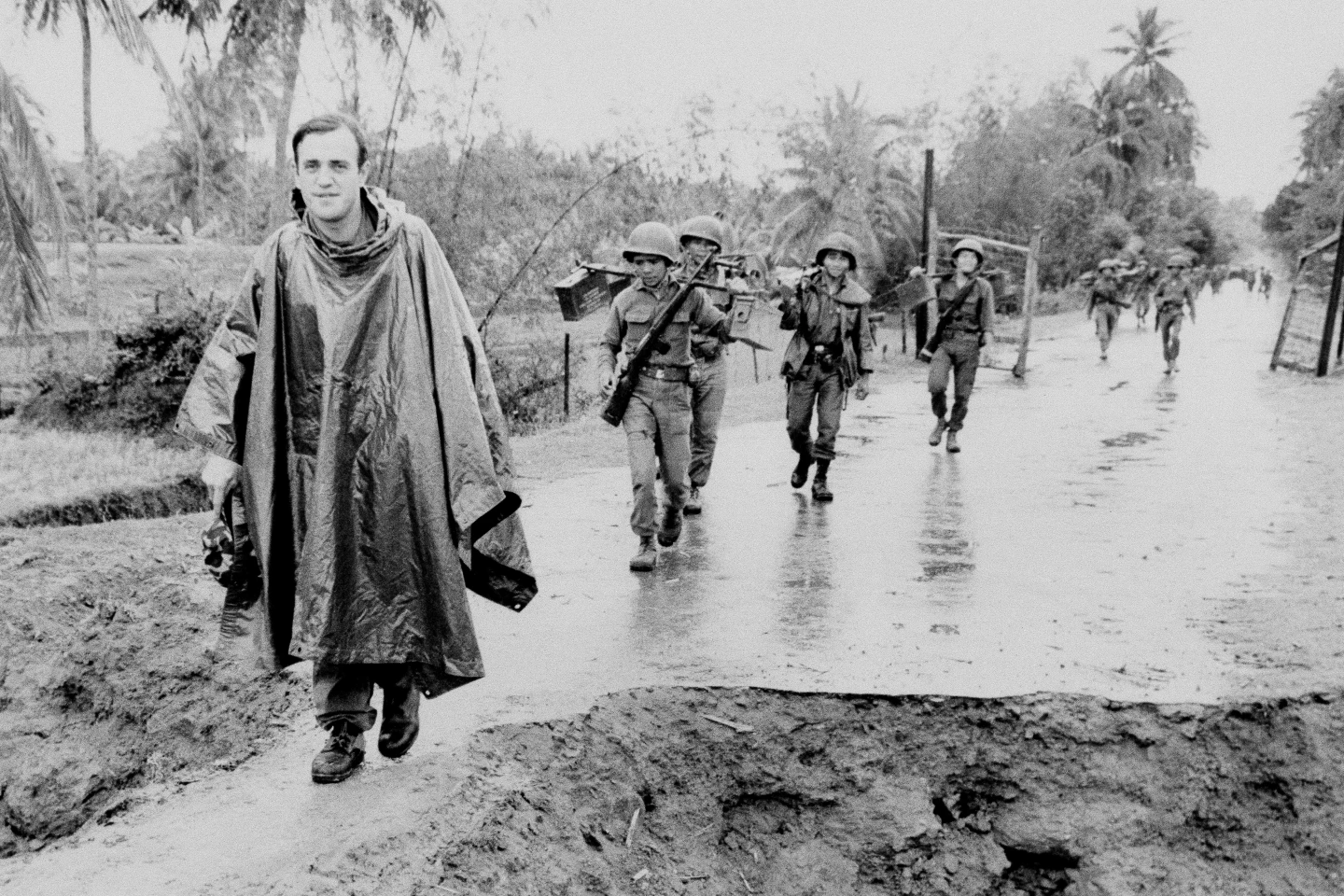
LOS ANGELES — Peter Arnett, the Pulitzer Prize-winning reporter who spent decades dodging bullets and bombs to bring the world eyewitness accounts of war from the rice paddies of Vietnam to the deserts of Iraq, has died at 91. Arnett, who won the 1966 Pulitzer Prize for international reporting for his Vietnam War coverage for The Associated Press, died Wednesday in Newport Beach, surrounded by friends and family. He had entered hospice on Saturday while suffering from prostate cancer.
As a wire-service correspondent, Arnett was relatively unknown outside of journalism circles until his pivotal live reporting for CNN during the first Gulf War in 1991. While most Western reporters evacuated Baghdad just before the U.S.-led offensive, Arnett remained and broadcast accounts of the incoming missiles from his hotel, leading to his rise to fame.
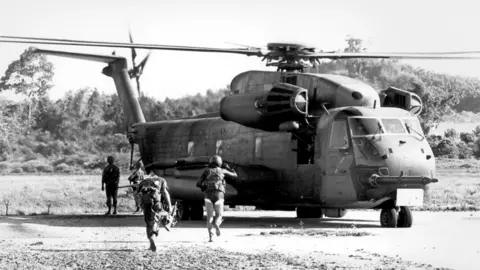
His remarkable coverage in Vietnam began in 1962, where he experienced numerous life-threatening encounters with combat. He vividly recalled a near-death experience when a battalion commander's life was cut short by enemy gunfire just inches from him. Throughout his career, he survived controversies and faced pushback for his reporting, yet he earned respect for his commitment to highlighting the realities of war.
After covering the Vietnam War until its conclusion, Arnett transitioned to CNN, where he further solidified his reputation as a fearless journalist. He authored his memoir Live From the Battlefield in 1995, summarizing his 35 years in various war zones. Even after stepping away from CNN, where he faced backlash for controversial statements, Arnett was quickly offered new opportunities across international news networks.
He became a journalism educator later in life and retired in California with his family, leaving a considerable legacy in the world of journalism. Survived by his wife and children, Arnett’s career remains an inspiration for those who aim to tell the stories behind the headlines.
As a wire-service correspondent, Arnett was relatively unknown outside of journalism circles until his pivotal live reporting for CNN during the first Gulf War in 1991. While most Western reporters evacuated Baghdad just before the U.S.-led offensive, Arnett remained and broadcast accounts of the incoming missiles from his hotel, leading to his rise to fame.
His remarkable coverage in Vietnam began in 1962, where he experienced numerous life-threatening encounters with combat. He vividly recalled a near-death experience when a battalion commander's life was cut short by enemy gunfire just inches from him. Throughout his career, he survived controversies and faced pushback for his reporting, yet he earned respect for his commitment to highlighting the realities of war.
After covering the Vietnam War until its conclusion, Arnett transitioned to CNN, where he further solidified his reputation as a fearless journalist. He authored his memoir Live From the Battlefield in 1995, summarizing his 35 years in various war zones. Even after stepping away from CNN, where he faced backlash for controversial statements, Arnett was quickly offered new opportunities across international news networks.
He became a journalism educator later in life and retired in California with his family, leaving a considerable legacy in the world of journalism. Survived by his wife and children, Arnett’s career remains an inspiration for those who aim to tell the stories behind the headlines.