In brief
Pope Francis's recent summit calls for increased leadership roles for women in the Church, but does not endorse ordination as hoped by progressives.
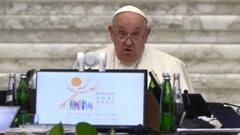
The month-long Vatican summit has wrapped up with a discernible emphasis on encouraging women to assume more leadership roles within the Catholic Church. While this outcome was a significant focus for many participants, the summit fell short of meeting some progressive hopes for discussions surrounding the ordination of women as priests.The synod served as the culmination of a four-year consultation effort designed to capture the perspectives of global Catholics. By opening the typically exclusive bishops’ conference to lay voices, Pope Francis allowed around 60 women to be part of the total 368 voting delegates. Throughout the event, delegates cast votes on 151 proposals, with all ultimately passing via a two-thirds majority. However, the proposal concerning women’s leadership roles received the most dissenting votes.Previous advocates had pushed for women to be permitted to serve as deacons, a role currently reserved for men. While the synod did not advance this possibility, its closing document asserted that "there is no reason or impediment that should prevent women from carrying out leadership roles in the Church."Deacons traditionally perform various religious duties such as baptisms and weddings but cannot officiate mass, which is reserved for priests. Additionally, wishes for explicit plans to include LGBT individuals into the Church’s framework were also overlooked, with only a vague acknowledgment of those feeling "excluded or judged" based on personal status or identity.Father James Martin, an influential Jesuit priest known for his engagement with the LGBT community and a synod member, expressed little surprise at the omission of specific language concerning LGBT inclusion. The disconnect between progressive aspirations and the final results left some advocates disappointed, while more conservative factions remained skeptical of the summit's approach from its inception.Despite this tension, Pope Francis described the final document as a "gift" to the world's Catholic population, underscoring his belief in the importance of grassroots involvement in the Church's future. Critics within traditionalist circles, however, questioned the merit of involving lay perspectives in the discussions.The summit's primary spiritual advisor, Fr Timothy Radcliffe, highlighted the importance of fostering relationships among a diverse group of bishops, even amid prevailing disagreements. He remarked that both friendship and dialogue have the potential to enrich one’s faith journey, even if the synod's impacts remain unclear after its conclusion.The summit aimed to create unity amidst the Church's complexities, yet observers noted a lack of groundbreaking proposals, leaving many feeling as marginalized following the discussions as they did prior to the summit.