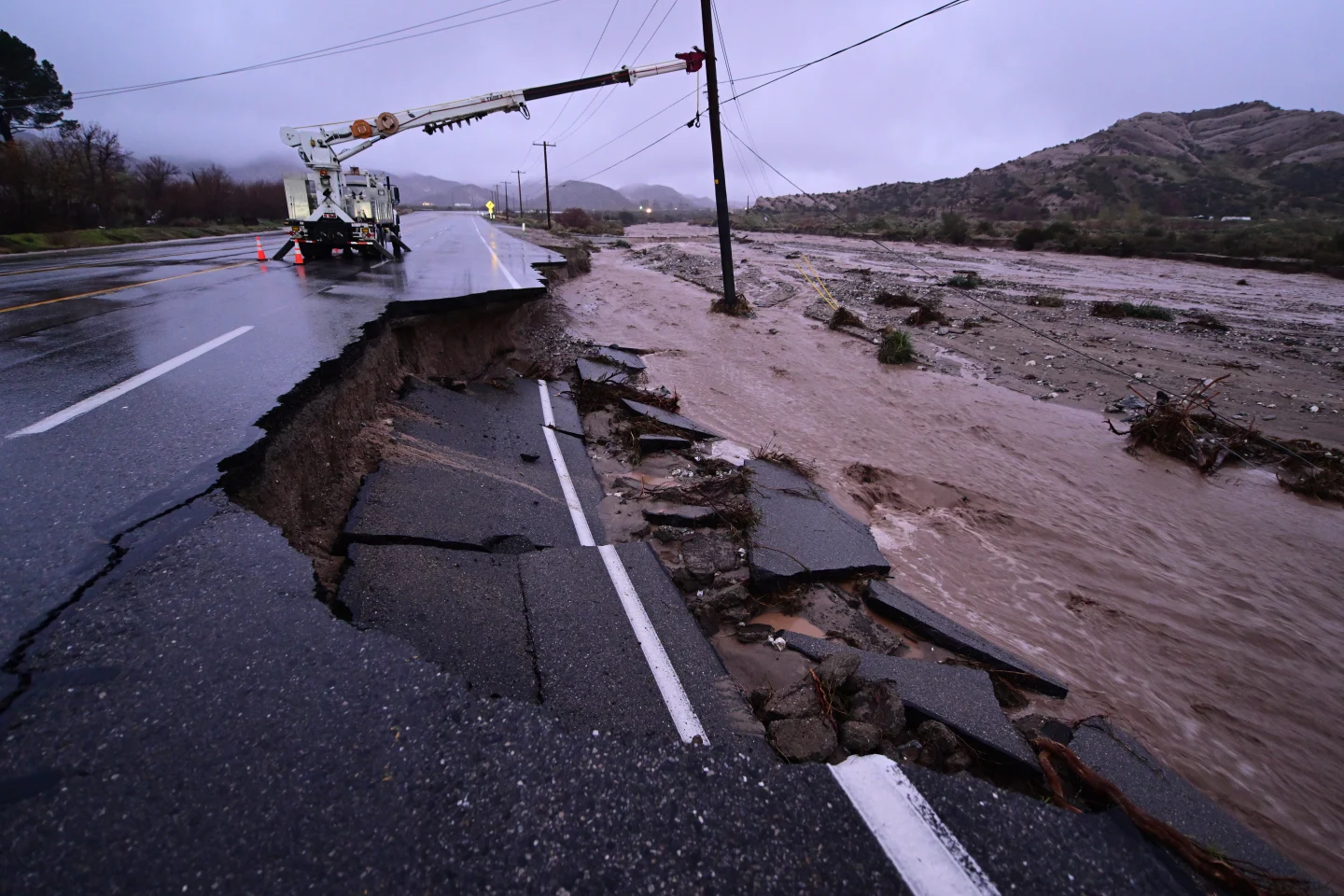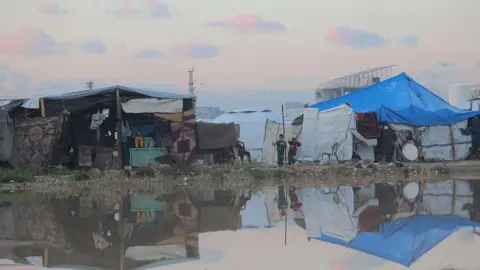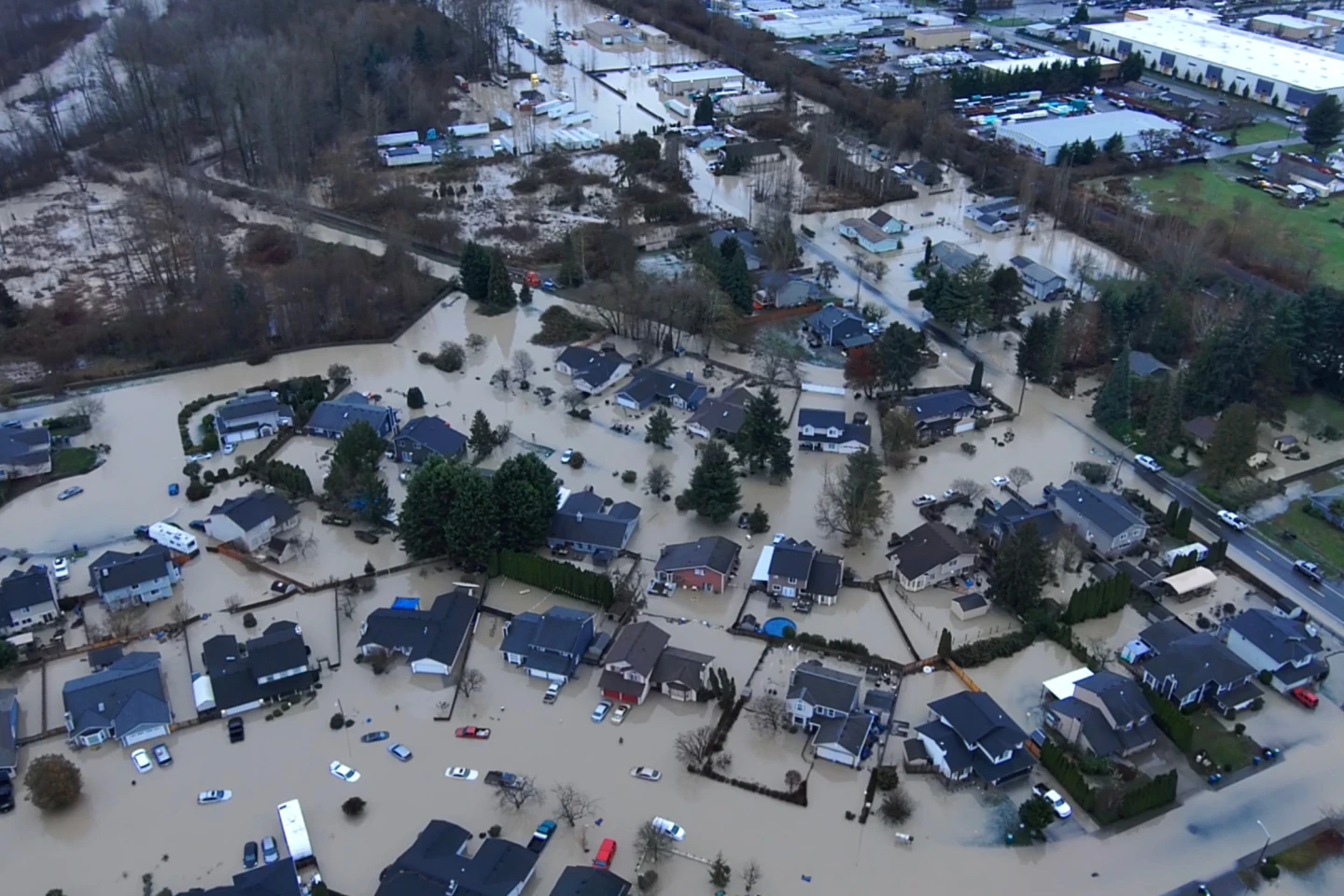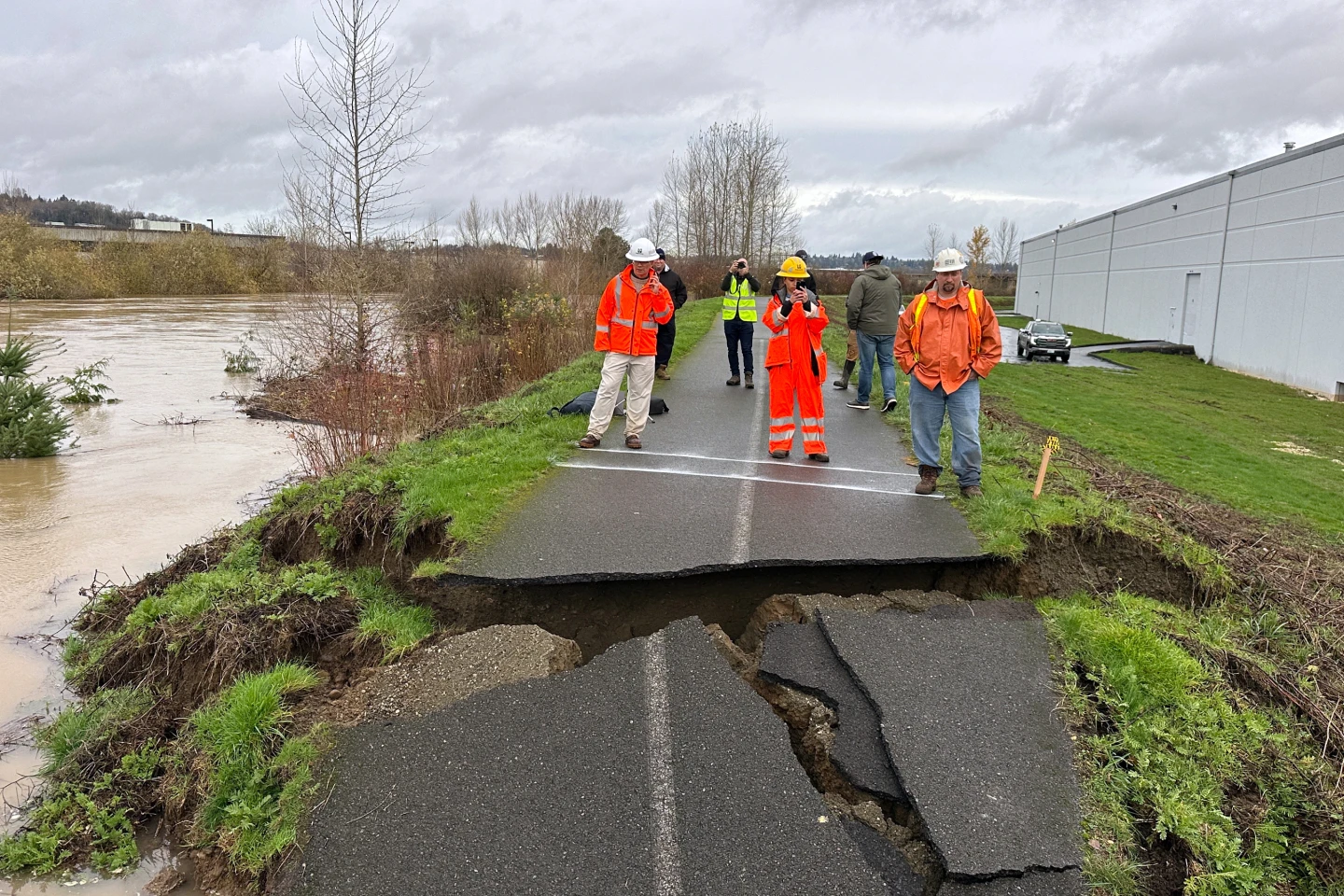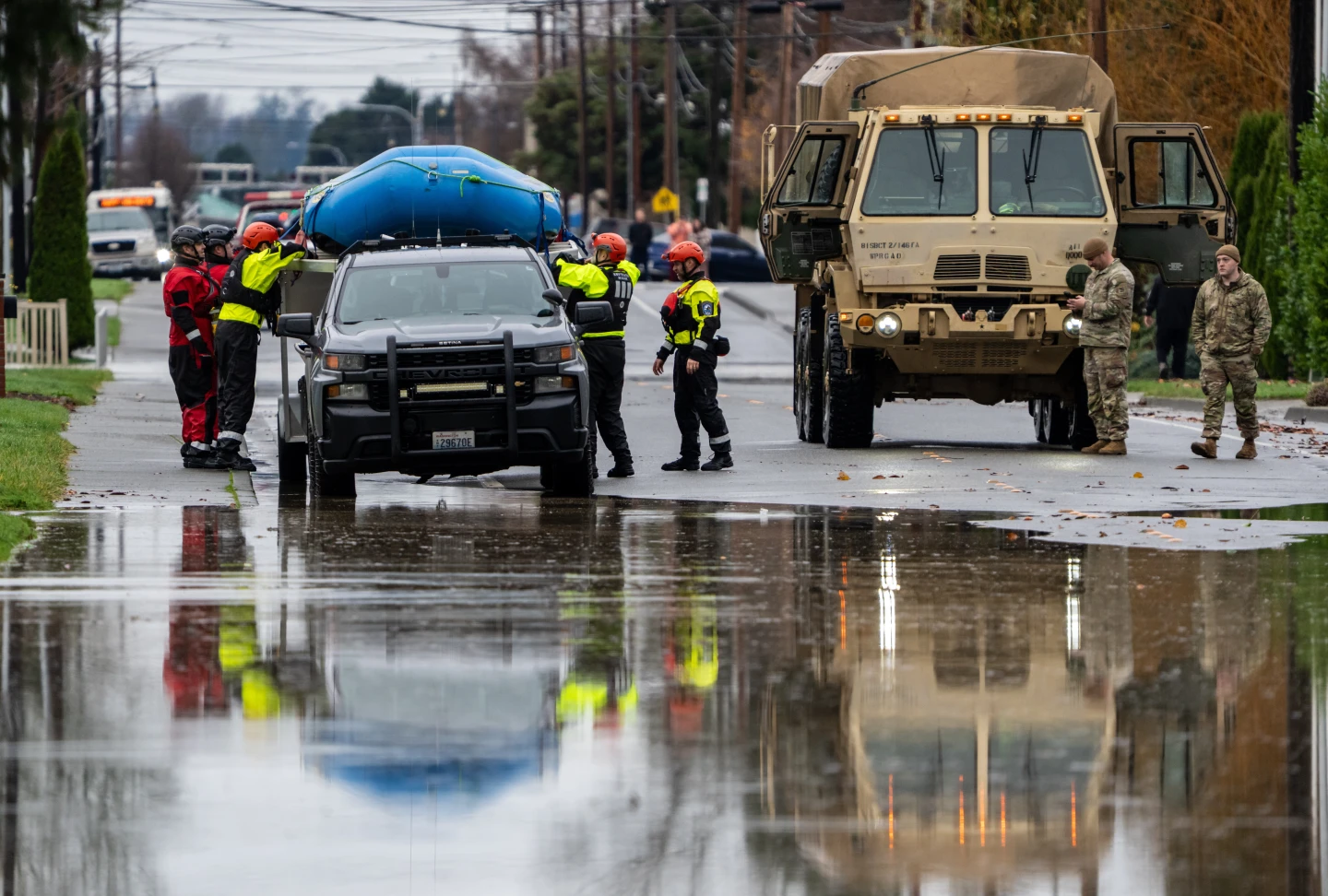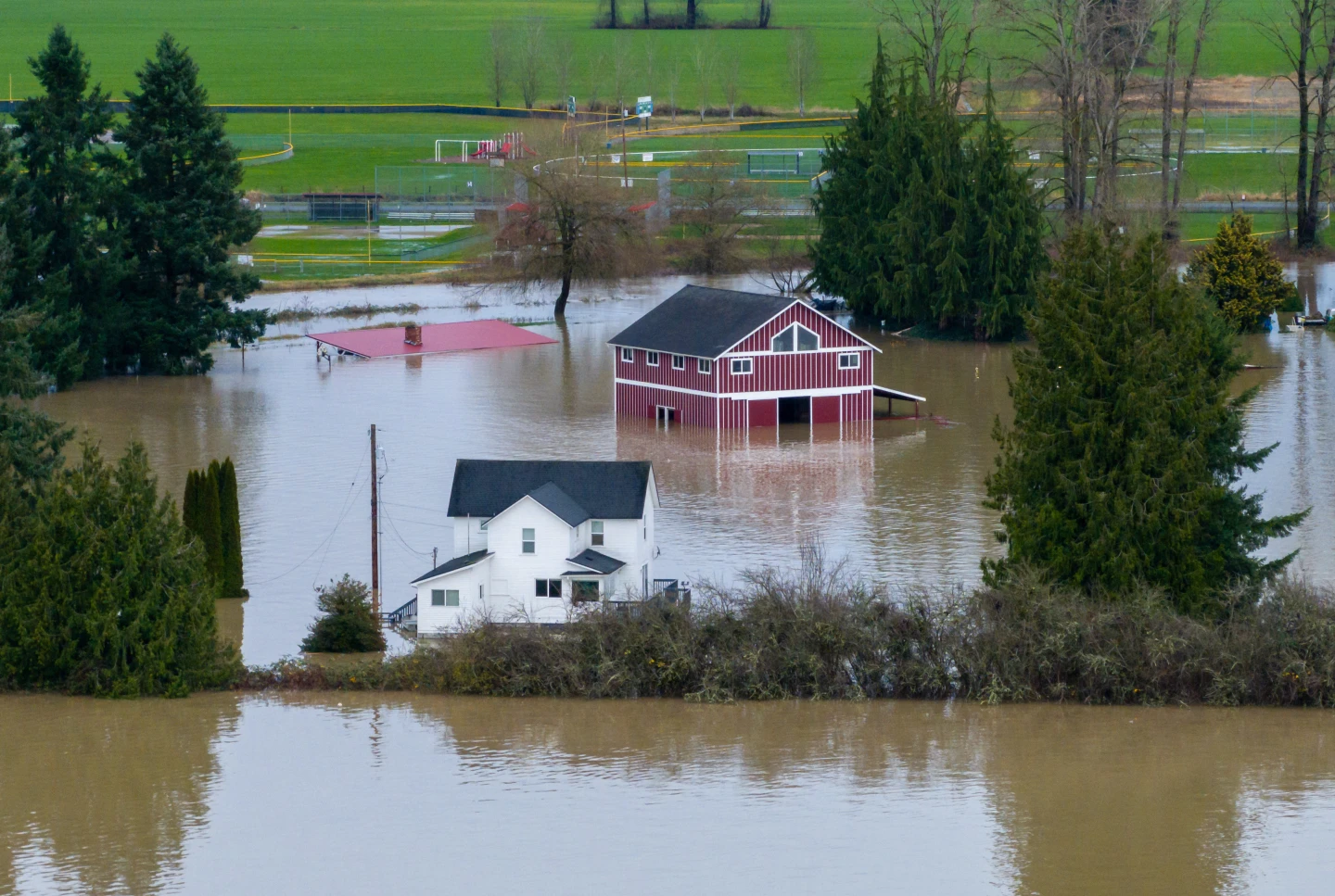
The French Indian Ocean territory of Mayotte finds itself once again under siege, as heavy rains from storm Dikeledi lead to fears of floods and mudslides. This comes merely a month after Cyclone Chido wreaked havoc on the islands, claiming numerous lives and causing significant destruction. The local government has declared a state of maximum alert, warning residents about the potential for violent winds, flash floods, and landslides.
Reports from local media indicate that the village of Mbouini, previously untouched by Cyclone Chido, is now submerged in water. The storm made landfall in northern Madagascar on Saturday and has since resulted in the unfortunate deaths of at least three individuals.
François-Xavier Bieuville, the prefect of Mayotte, shared with BFMTV that the island is already experiencing significant rainfall, which has triggered floods and mudslides. The prefect communicated the likelihood of remaining on high alert until Monday evening, with forecasts indicating that the downpour will persist even after Dikeledi departs the region. Emergency shelters have been established for approximately 14,500 people, providing refuge from the impending threats.
By Sunday afternoon, the storm was reported to be moving away from Mayotte, with Météo-France indicating that it may strengthen to tropical cyclone status as it approaches the Mozambican coastline. While current predictions do not suggest a landfall in Mozambique, officials warn of challenging weather conditions affecting the Nampula region, which is concurrently recovering from the ramifications of Cyclone Chido.
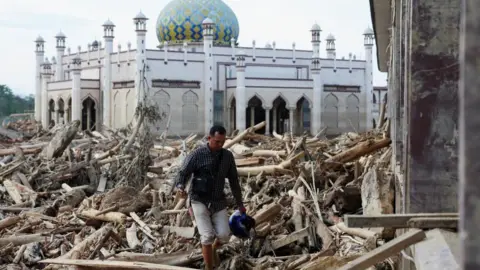
The impact of Cyclone Chido, which struck on December 14, left a profound mark on Mayotte—flatting shanty towns and resulting in a death toll that was eventually revised to 39 from initial estimates in the hundreds. As one of the poorest areas in France, the island is inhabited by a mix of 320,000 residents and an estimated 100,000 to 200,000 undocumented migrants, many of whom reside in precarious conditions.