
In brief
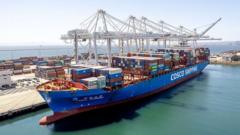
The U.S. government has announced plans to impose port fees on Chinese ships in an effort to revitalize American shipbuilding and reduce reliance on China's maritime industry.
The Trump administration has presented its strategy to enforce port fees specifically on ships manufactured in China, aiming to protect U.S. interests in the shipbuilding sector and diminish China's control over global trade routes. Fees are set to be implemented within the next 180 days, with a structured increase over three years.The fees will vary based on the type of vessel and its cargo. Bulk ships will incur charges of $50 per ton, while container ships will be charged $120 per container, all rising incrementally in subsequent years. The USTR's initiative, however, has incited concerns about further disruptions in international trade plagued by existing tariffs on Chinese imports. Experts indicate that the U.S.-China trade tensions are prompting significant changes in shipping routes, displacing cargo originally intended for American ports to European destinations. Logistics firms are facing increased congestion at major ports, including those in the UK and EU, as a result of strategic shifts by shippers navigating Trump's tariff landscape. The move has sparked discussions about potential ripple effects, including rising consumer prices in the U.S. and changing supply chain dynamics as companies adapt to the evolving trade scenario. The situation remains fluid, with predictions of continued congestion and redirected shipments impacting both American and European markets.


