We never recovered him
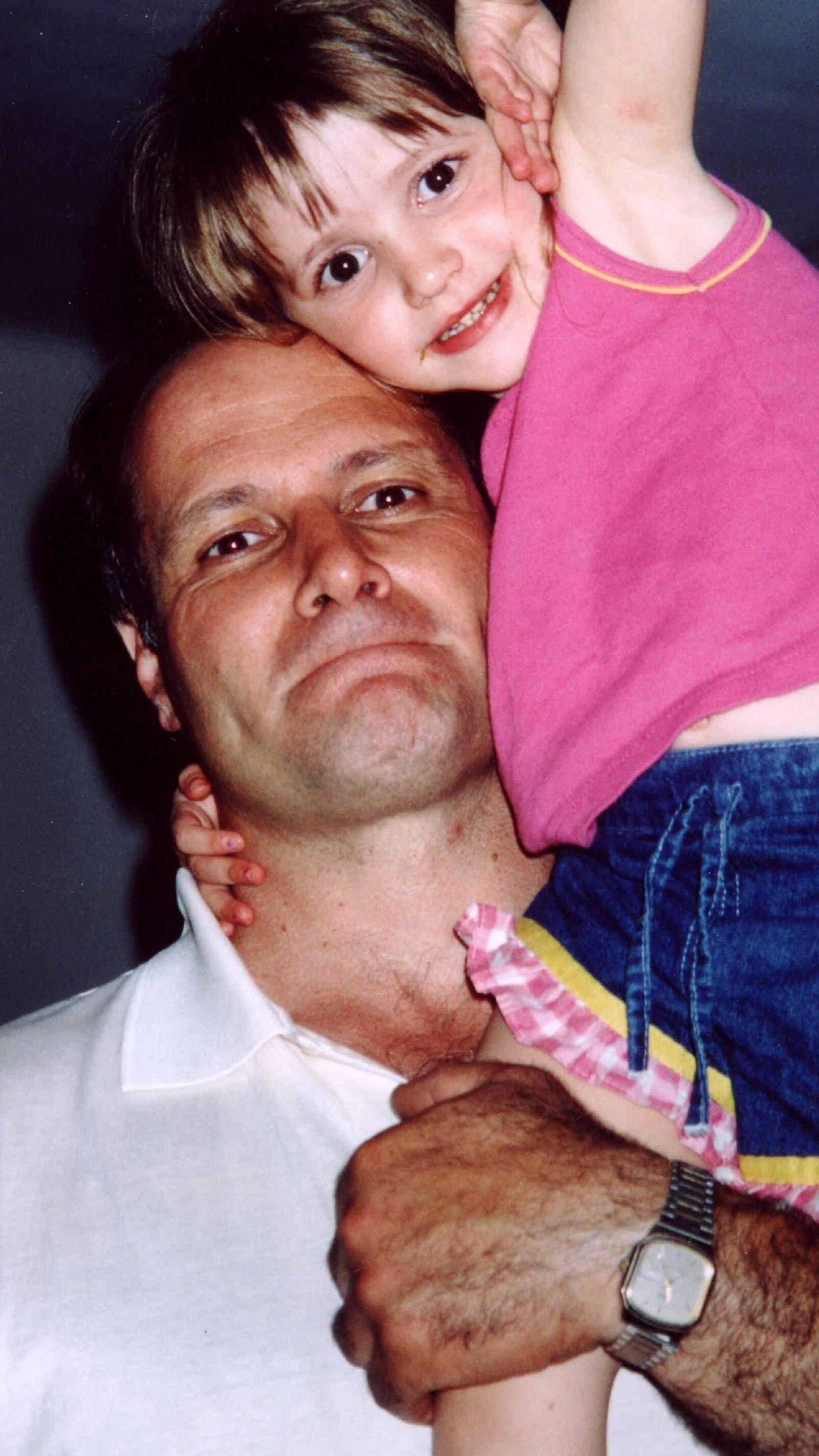
For 25 years, the only trace Dad Dan Scauso has of his father, who fought on the 9/11 day, is a battered fire‑fighter helmet that now sits at the 9/11 Memorial.
Dennis, an FDNY hazmat officer, was scheduled for overtime that day and found himself in the South Tower when the building collapsed. His badge number survived the wreck, but the city’s Office of Chief Medical Examiner says no other remains have been recovered.
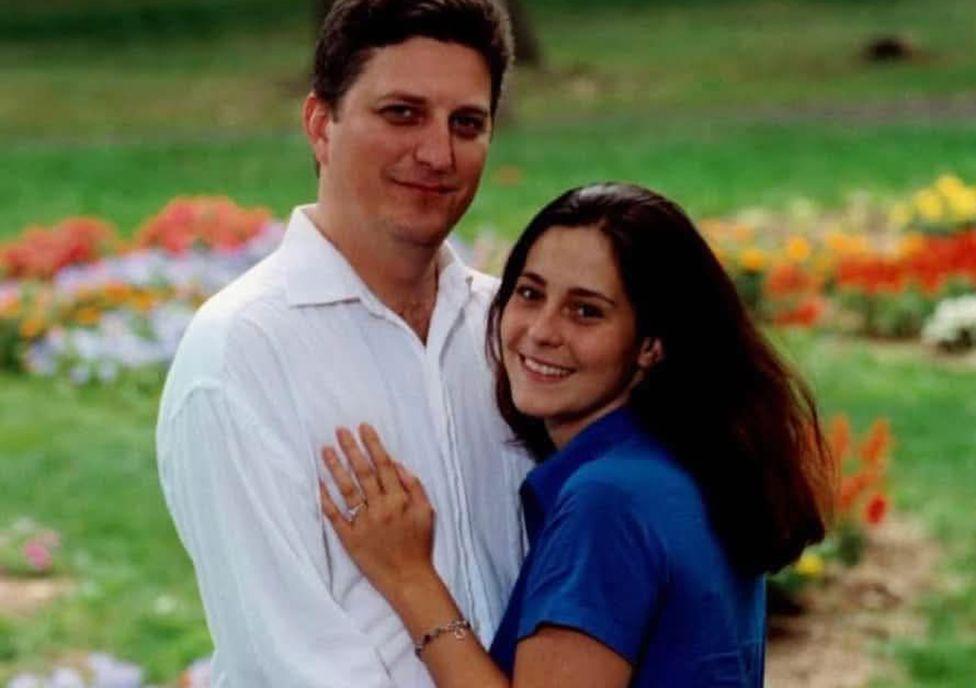
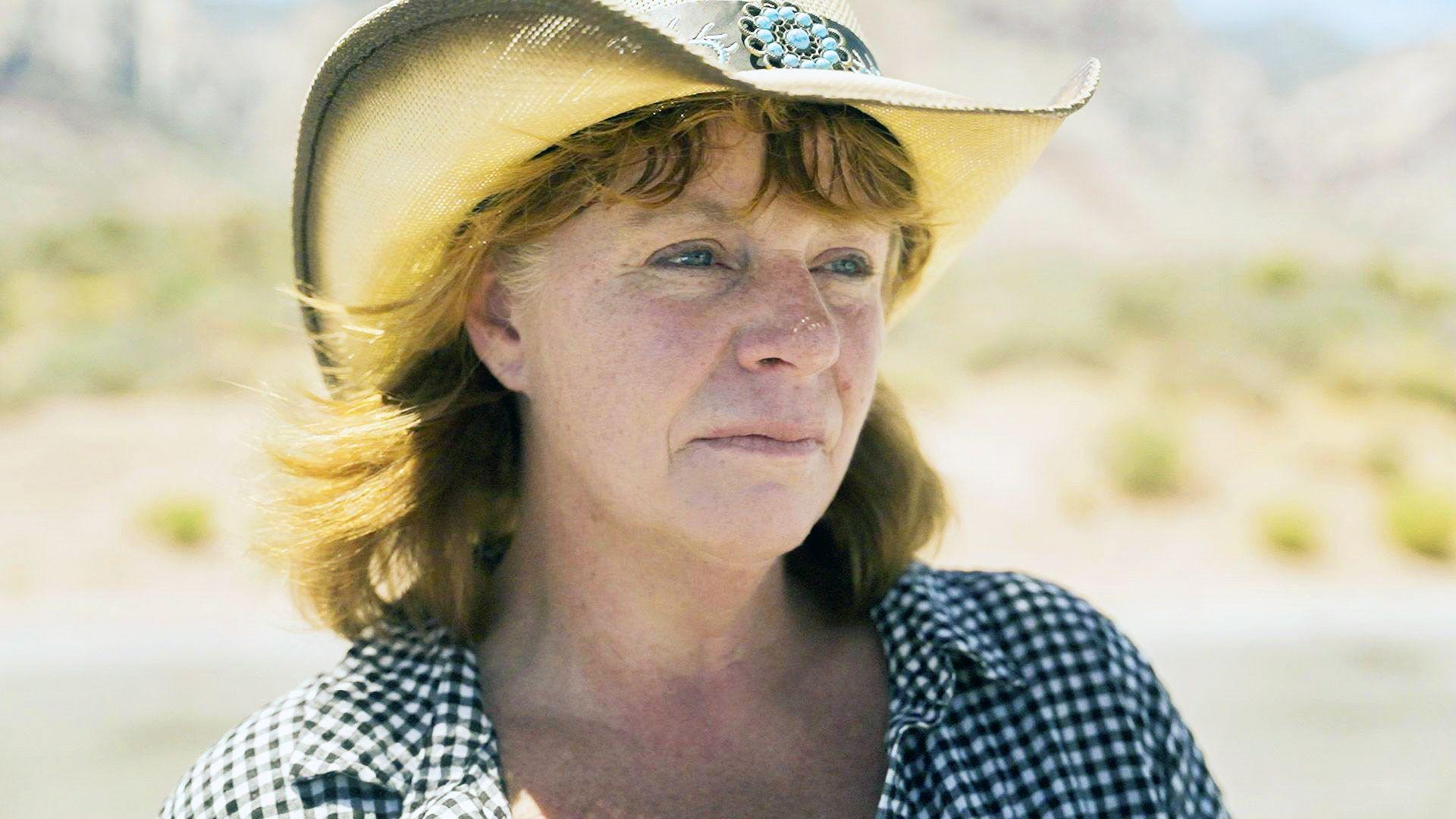
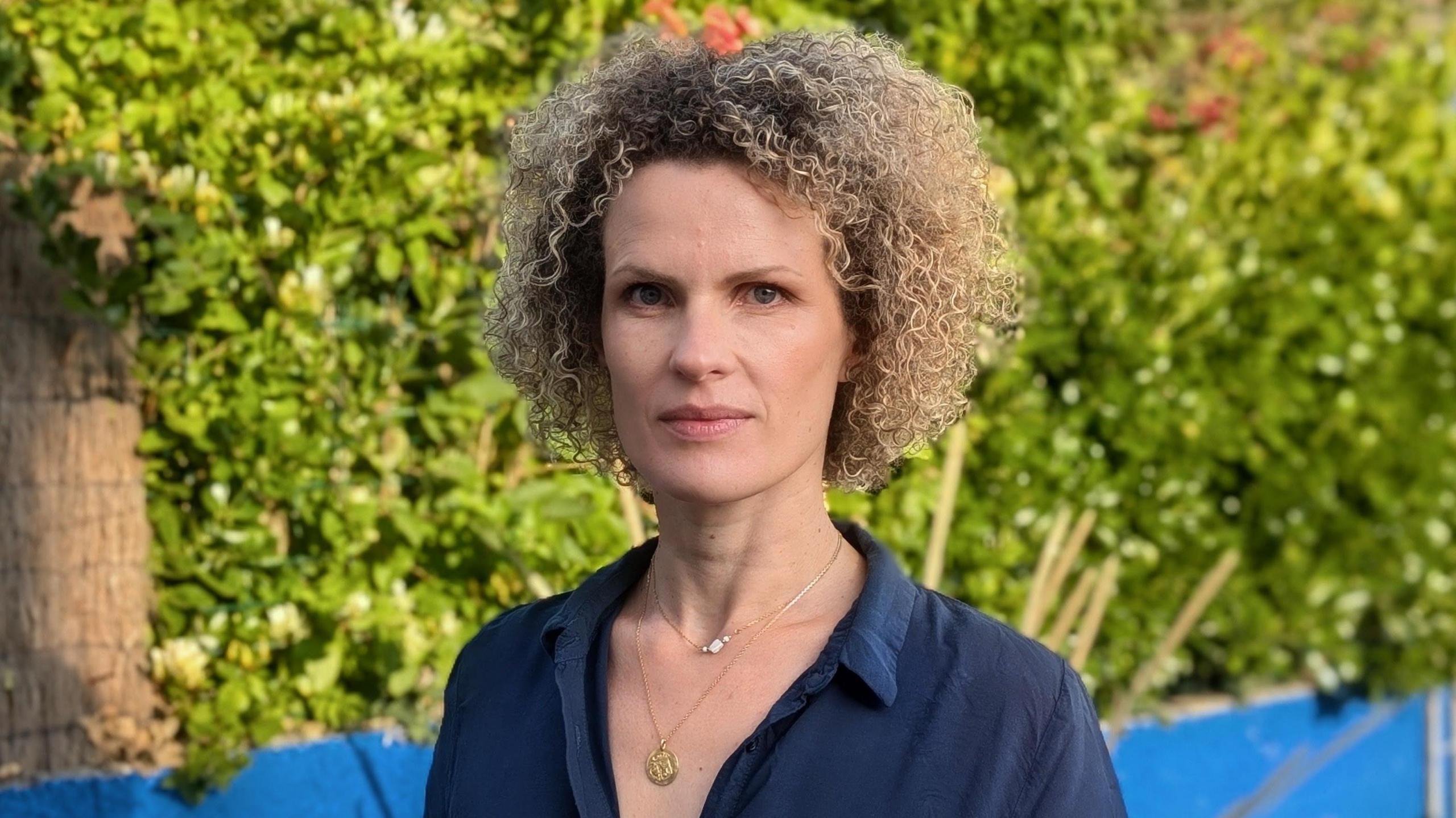
“I live knowing my dad died on 9/11 but never knowing what happened after,” Juliette says, now 25, still in the same city where she was four when the towers fell.
Over the past decade, more than 1,000 victims who crashed in New York have yet to be identified. The most recent breakthrough—figuring out the identity of the 1,654th victim—came months ago thanks to forensic investigative genetic genealogy or FIGG, a technique that reads entire genomes to connect distant relatives to DNA fragments.
“There is real promise in using this approach,” Angela Soler, director of forensic anthropology at the NY medical examiner’s office, says. She and her team have re‑tested remains multiple times with newer technology, adding 1,495 DNA identifications to the list since 2001.
The challenge isn’t only the poor state of bone after jet fuel fires and building collapse, but also the complex paperwork. Many first‑responder bodies wore uniforms with other names, and some victims disappeared in the rubble, meaning only partial DNA can sometimes be recovered.
Families still receive weekly calls from the court for information about missing relatives. Some decide to keep their loved ones at a repository buried in the bedrock beneath the memorial. The minority prefer a private reflection space nearby where they can mourn without a formal burial.

The emblem on the battered helmet that announced a loss that felt too precious to describe.
To Soler, data are not simply numbers but lifelines. She explains that an identified victim "closes one chapter" for a family, yet she acknowledges the grief might resurface. Some families, like Juliette’s, choose to accept the silence out of fear of reopening a wound that has already scarred their everyday life.
The scientific community keeps pushing forward, and even as some remain lost forever, each new identification brings a quiet dignity that the world once denied to so many. The memory of Dennis Scauso persists 25 years after his best soldier family. In the heart of a city still shrouded in the shadow of that day, the search for his name continues, and the promise of closure, though incomplete, keeps the hope burning.