In brief
This article explores the profound transformation of Hong Kong's identity, as residents reflect on a decade of protests that now stand as fleeting memories amid a pervasive silence.
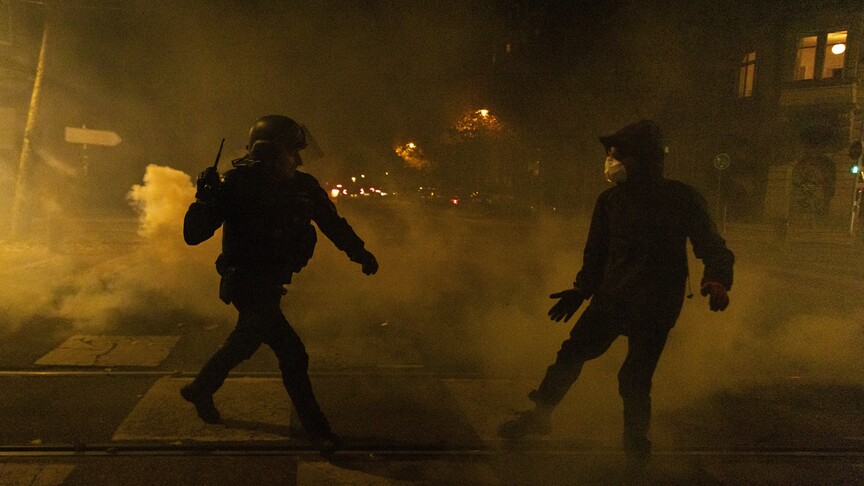
The echoes of resistance resonate through the bustling streets of Hong Kong, where Kenneth recalls a time when Victoria Park brimmed with pro-democracy fervor. Growing up surrounded by the vibrant spirit of resistance, he attended vigils commemorating the Tiananmen massacre and participated in protests that demanded democracy. But now, Kenneth feels that both he and Hong Kong are being erased by Beijing's relentless crackdown.As he walks through Victoria Park, Kenneth observes the city’s superficial continuity—its busy trams and bright neon lights linger on—but underneath is a palpable sense of change. He laments the decline of freedom, detailing the gradual erosion of rights as the specter of the national security law looms large. Despite the façade of normalcy, he feels the stark reality of a city forced to adapt to a new normal of surveillance and uncertainty.The seeds of dissent took root in 2014 with the Umbrella Movement, where the spirit of activism burgeoned among the youth. Figures like Joshua Wong and Benny Tai emerged as iconic voices of the pro-democracy movement, standing firm against Beijing's tightening embrace. However, the subsequent protests in 2019 tilted the tides, drawing massive crowds and culminating in fierce confrontations with authorities, only to see their hopes swiftly crushed by oppressive legal mechanisms.Now, as activists face imprisonment under sweeping measures, the legacy of Hong Kong's protests is left to those who remember. Kenneth reflects on the lost vibrancy of protest culture, where public gatherings have morphed into clandestine conversations filled with trepidation. The arrest of prominent figures and the chilling effect of the national security law cause him to ponder the future, where many opt for silence over defiance.Meanwhile, far away in the UK, Kasumi Law experiences a different fragmentation of identity as she navigates life in a new world while grappling with nostalgia for her past in Hong Kong. Her recent visit exposed her to a transformed landscape, where Mandarin replaces the familiar cadence of Cantonese in the streets. Despite the changes, she actively instills a sense of Hongkonger identity in her daughter, proud of her responses to cultural mislabeling.The lived experiences of Kenneth and Kasumi illuminate a broader narrative—one of loss, resilience, and the authentic fight to preserve an identity under siege. Each day they face the challenge of balancing their past with an uncertain future, underlining that despite the fading echoes of protest, the essence of their city endures in the shared memory of its people.