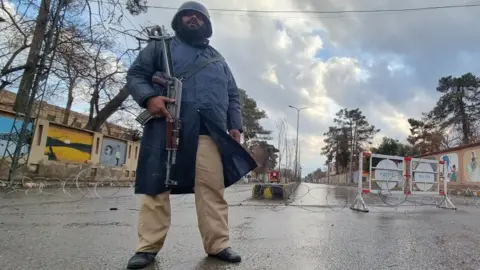
The serenity of a late afternoon on the Moei River that divides Thailand from Myanmar is broken by three thunderous explosions. The ethnic Karen families bathing and playing in the water make a panicked dash for the river bank, as a plume of dark smoke rises from the trees behind them.
The conflict ignited by the Myanmar military's coup nearly five years ago has come back to the border. But the fighting this time is linked to the scam compounds, run by Chinese crime syndicates, which have proliferated in Karen State in the past two years.
We are working to completely eradicate online scam activities from their roots, the Myanmar junta's spokesman Gen Zaw Min Tun said. But there are good reasons for scepticism about the military's claims.
Now, for the first time, Myanmar's long civil war and its scam crisis are entwined.
After losing control of large areas of the country to insurgent groups, the military junta has counter-attacked, supported by new conscripts and military equipment. The army has stormed KK Park, evacuating foreign scam participants and showcasing its operations through media, but its impact on the ongoing scam infrastructure remains questionable.
While the army has demolished certain buildings, many structures remain intact, and the military’s focus has only targeted select locations, leading critics to doubt the sincerity of their efforts to combat the scam epidemic.
The international community expresses growing concern about online scams related to human trafficking and money laundering. Pressure from countries like China, which has its citizens victimized by these scams, indicates a shift towards more substantial actions.
Despite dramatic interventions, journalists and international observers remain skeptical about the sustainability of these efforts, questioning whether the military is genuinely interested in dismantling the scam networks or merely using it as a pretext for improving its image ahead of an upcoming election.