Myanmar's Controversial Election: A Sham Vote Under Military Rule
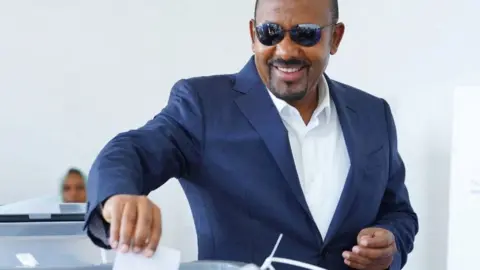
As Myanmar gears up for its first election since the military coup nearly five years ago, the event is marred by significant controversy. Critics charge that the upcoming vote, scheduled to occur over several phases, is fundamentally flawed, despite military leaders portraying it as a crucial moment for democracy.
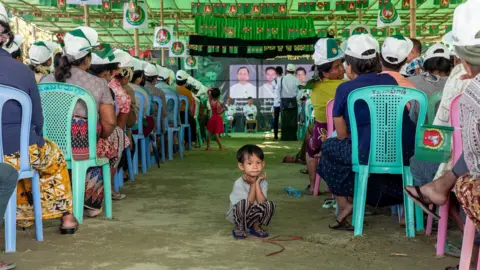
In the bustling city of Mandalay, retired Lieutenant-General Tayza Kyaw, a candidate for the military-backed Union Solidarity and Development Party, attempts to rally support amidst a politically charged atmosphere. Crowds at campaign rallies appear disinterested, with many people more focused on potential handouts than political promises, highlighting the lack of genuine public engagement during this election cycle.
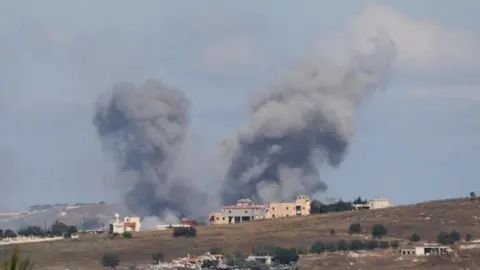
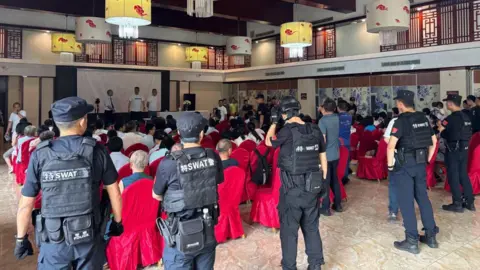
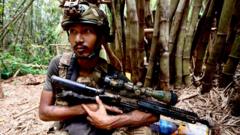
The upcoming elections, which have already faced numerous delays, have sparked widespread condemnation as a sham. The National League for Democracy, the country’s most popular political party, has been disbanded, and its leader, Aung San Suu Kyi, remains imprisoned. Voting is not even possible in large swathes of the country that remain under conflict, fostering a climate of intimidation and fear. Many citizens find themselves in a precarious position, feeling obligated to vote under duress, and express doubts about the legitimacy of the process.
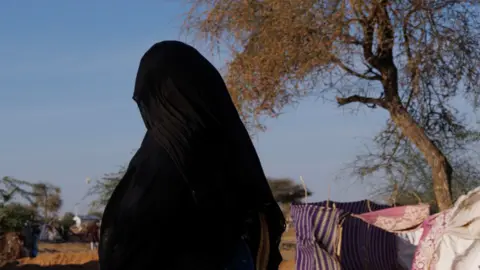
Interviews with residents reveal a complicated dynamic where fear hampers open discussion. Even nominal supporters of the military express reluctance in voicing their opinions, citing concerns over possible repercussions. As one woman articulated, This election is a lie, reflecting the overwhelming sentiment of dread that pervades the region.
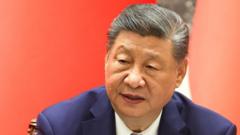
The military regime hopes that this electoral exercise will lend it legitimacy, bolstered by backing from countries like China. Observers, however, are skeptical about the potential for any meaningful change, as many regions remain embroiled in armed conflict and ordinary citizens continue to endure the ramifications of military rule.
In the midst of this turmoil, one significant takeaway remains clear: many citizens of Myanmar will cast their votes, not out of hope or belief in the electoral process, but rather out of a sense of obligation in a climate of fear.