ANNAPOLIS, Md. (AP) — Maryland Democrats have rejected an effort to redraw the state’s congressional map to boost their party’s chances in the midterm elections, a setback for Governor Wes Moore who put his clout behind the attempt to blunt President Donald Trump’s own redistricting campaign.
The proposal officially ran out of time late Monday as the state legislative session ended, primarily due to internal party disagreements. Ultimately, the Maryland Senate left the bill in a committee, with concerns from Democrats in control of the chamber that it could backfire under judicial scrutiny.
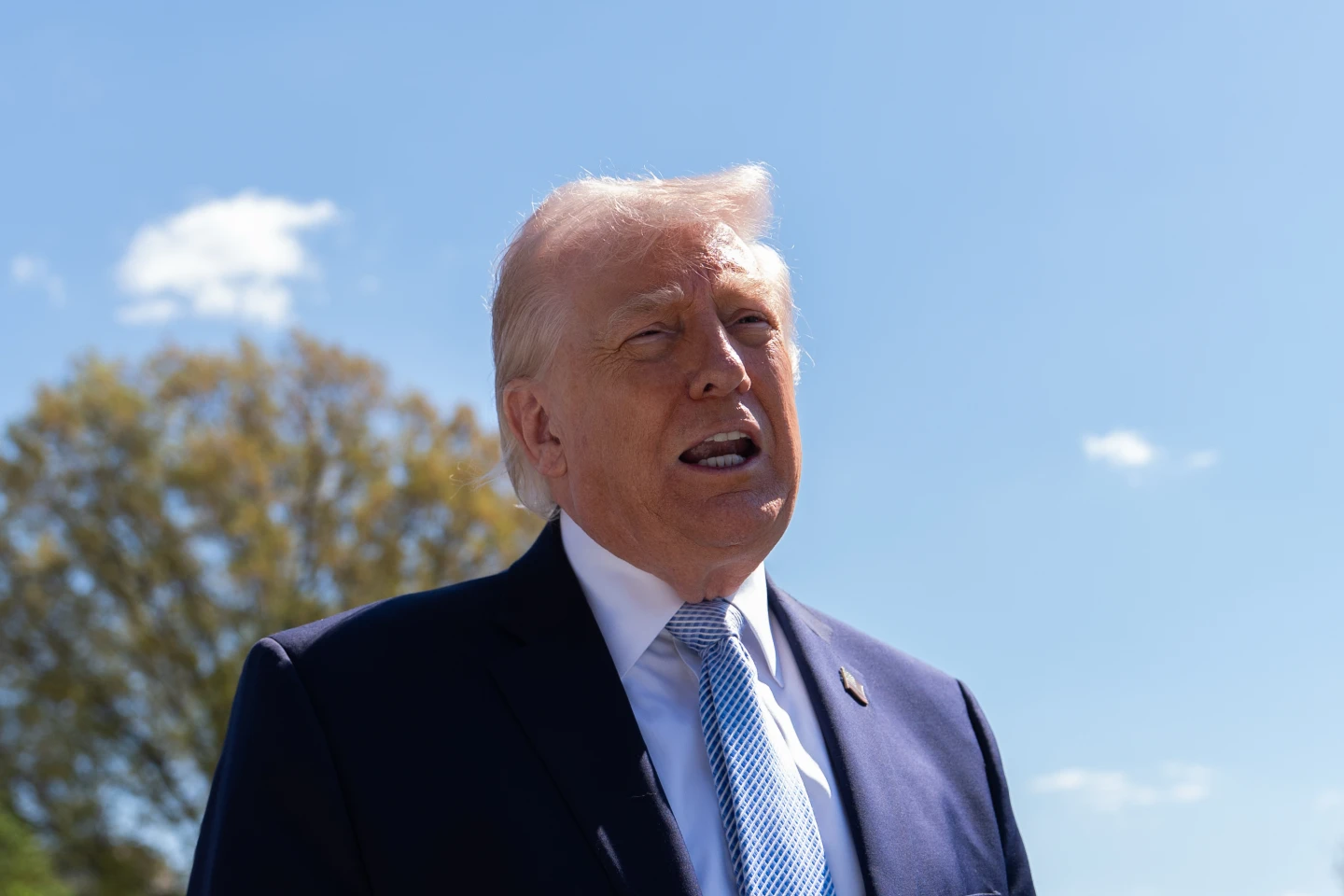
The unusual mid-decade redistricting movements began after Trump urged Republican-led states like Texas to alter their maps last year. This trend is expected to persist as Republicans plan to amend congressional boundaries in Florida, while Democrats in Virginia are seeking voter approval for a redistricting referendum.
In Maryland, the proposed map could have made it easier for voters to potentially remove the state’s sole Republican member of the House. However, internal divisions prevented any forward movement.
Moore, who is considered a potential 2028 presidential candidate, expressed his disagreement with state Senate President Bill Ferguson regarding the necessary actions to counter Trump’s influence. Moore stated, “This is not a political game to me,” reflecting his deep concern over the implications of Trump attempting to manipulate electoral rules.
Ferguson has maintained that the proposed redistricting could risk costing Democrats seats in Maryland. He cited the potential for a court-imposed map that could be even less favorable for the party. Despite pressure from Moore and U.S. House Minority Leader Hakeem Jeffries, Ferguson refused to change his stance.
Moore criticized Trump’s redistricting strategies as a concerted effort to undermine Black representation and leadership in congress, linking them to discriminatory practices. As Democrats hold a significant advantage over Republicans in Maryland, this internal rift may have far-reaching implications for the party as midterm elections approach.
The fate of the congressional map remains uncertain as the political landscape continues to shift nationally, with both parties engaged in aggressive redistricting campaigns.