
In brief
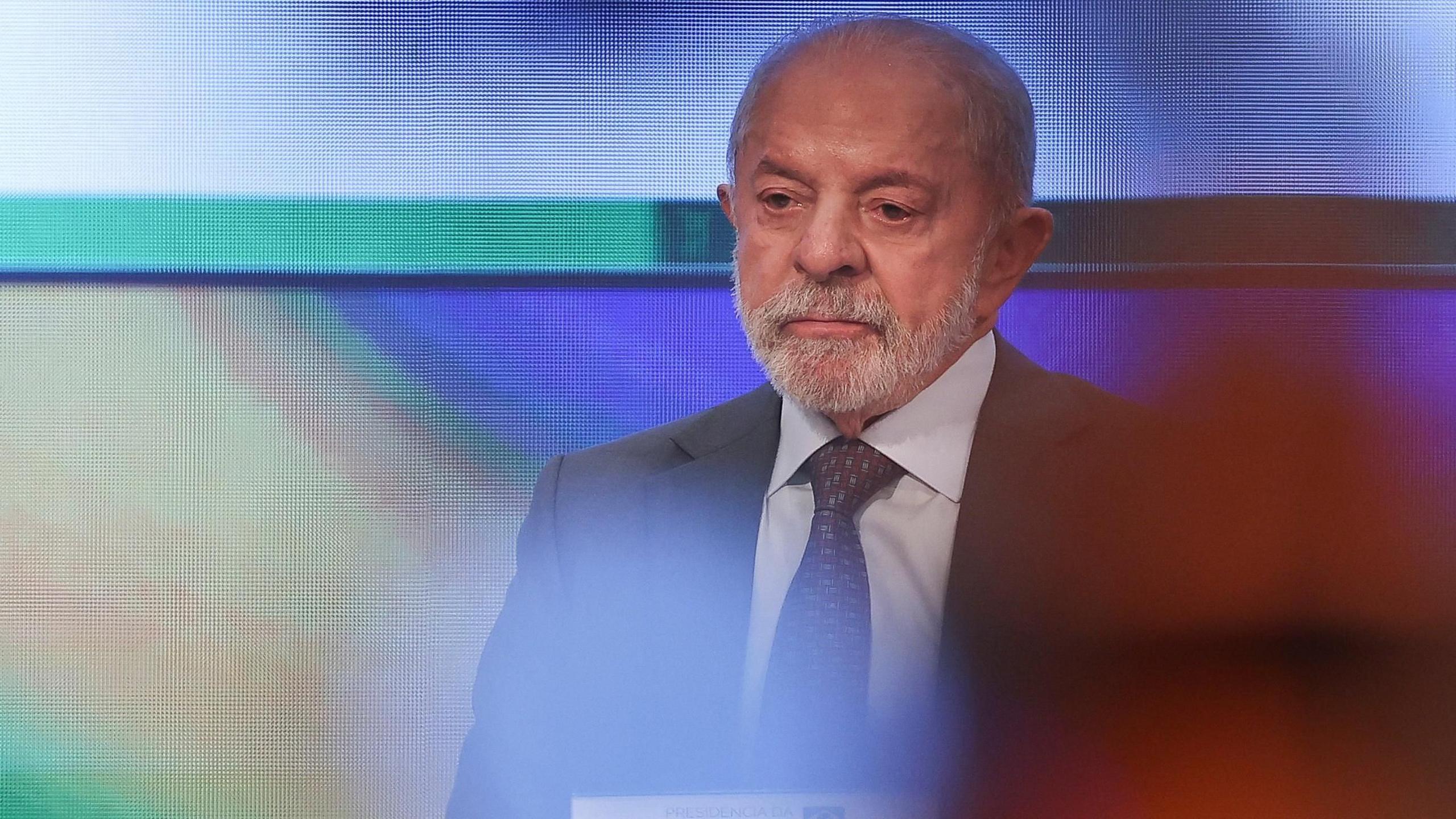
In a decisive move hours before Brazil’s presidential election, President Luiz Inácio Lula signed a provisional order suspending all online sports betting and casino operations. He described the industry as a "cancer" that threatens families and called for stricter safeguards, especially against youth. The ban, which must gain congressional approval within 120 days, comes amid a tight race with Flávio Bolsonaro and amid public polls showing 60 % favoring the halt. Opponents label the action populist and politically driven, while supporters cite rising addiction stories and household losses. The new measures rewrite a 2018 legalization that saw gambling grow unchecked, stirring a national debate over regulation, public health and electoral influence.
President Luiz Inácio Lula announced a ban on all online sports betting and casino operations in a provisional order signed on Friday, just days before Brazil’s presidential election.
The move follows the 2018 legalization of online gambling, which has since been linked to widespread household income losses, addiction, and an explosion in popularity across the country.
Lula called the industry a "cancer" in the order, adding that it is “either we remove the tumour, or it kills us.” He warned that the lack of regulatory safeguards, especially for children, had allowed families to suffer severe financial ruin.
The ban comes as polls suggest a nearly even split between Lula and his opponent, Flávio Bolsonaro, the son of the former president who is currently in jail.
For the order to remain in force, it must be ratified by Congress within 120 days. Lula also signed a bill targeting fixed‑odds betting offences and condemned the industry’s transformation of addiction into profit in a United Nations General Assembly address.
Bolsonaro criticised the crackdown as “populist, hypocritical and politically motivated,” warning that the ruling might be an attempt to gain an advantage in the race for the presidency.
Despite the opposition, a recent Atlas‑Bloomberg survey shows that 59.9 % of Brazilian adults back a ban on internet betting, reflecting growing public concern about gambling’s social costs.
With the referendum looming, Lula’s action has cast a stark new light on Brazil’s political climate, the role of regulation, and the fight against addictive behaviors that threaten the nation’s social fabric.


