In brief
Brazilian President Luiz Inácio Lula da Silva has announced a fresh oil discovery near the Amazon river mouth, calling it a key to the nation's future. The find was made offshore about 175 kilometres from the coast at a depth of nearly 2,900 metres, but its commercial viability remains uncertain. While Lula touts the prospects for energy security and a boost to local economies, environmentalists fear that drilling could threaten the rich biodiversity of the Amazonian marine ecosystem. Petrobras CEO Magda Chambriard praised the discovery, and Lula insists that oil revenues will help fund Brazil's transition to renewable energy, even as he seeks to reassure voters before the October elections.
Brazilian President Lula Trumpets Oil Discovery Near Amazon Mouth
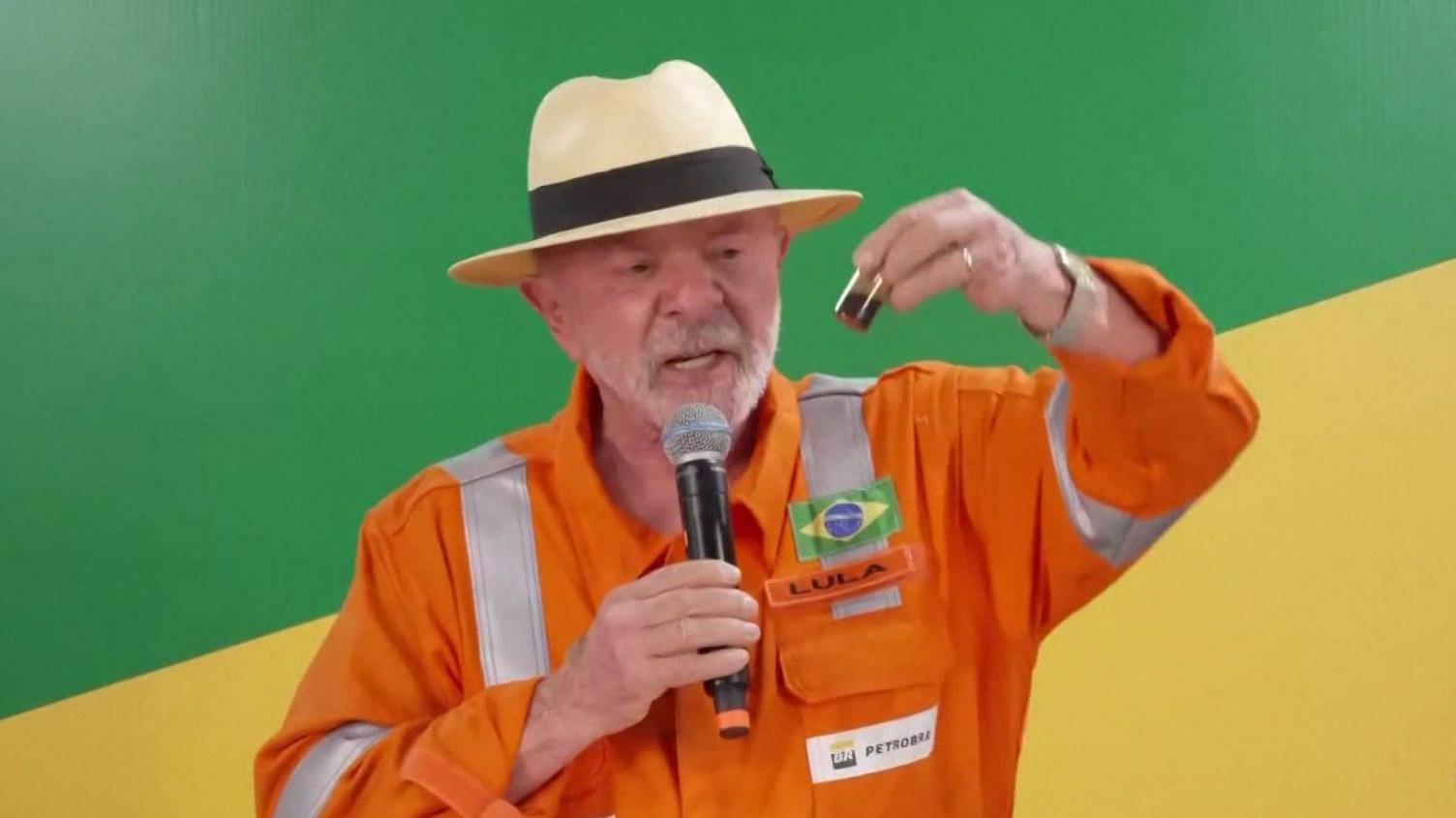
President Luiz Inácio Lula da Silva lauded an oil find off the Amazon river, describing it as a "passport to the country's future." The discovery is 175 km from the coast, at a depth of 2,886 m, and could potentially increase Brazil’s energy security.
Petrobras, the state‑run company, announced the find during an exploratory drilling programme that began in October 2025 on the Brazilian Equatorial Margin. CEO Magda Chambriard said the find validated Petrobras’ optimism, while Lula highlighted that oil revenues will fund the nation’s shift away from fossil fuels.
The announcement drew sharp criticism from environmental groups, who warn that a spill could devastate the Amazon’s marine biodiversity, affecting reefs and coastal wetlands that cradle endangered species.
Lula countered that "national sovereignty" must guard against foreign interference and that Brazil will not abandon fossil‑fuel commitments. He also linked the exploration to the upcoming October presidential election, urging voters to see the stake in the region’s economic future.
The nearby town of Oiapoque has already seen a spike in population as job prospects rise. However, the administration faces the challenge of balancing economic development with protecting one of the world’s most sensitive ecosystems.
For a more detailed view, see the accompanying map of the exploration site below: