In brief
Sinaloa’s notorious drug cartels now threaten the lives of popular creators; the death of influencer César Gastélum on a live video illustrates a dangerous trend. The incident, occurring seconds after a motorbike rider fired a shot, prompted police action and highlighted potential links between online fame and criminal factions. Experts argue that the social‑media algorithm and narcoculture converge, turning lavish posts into powerful propaganda for the cartels. While the government seeks to cut ties between popular culture and illicit groups, the industry faces increased risk as cartels use creators as community managers and brand promoters, turning rivals into death targets.
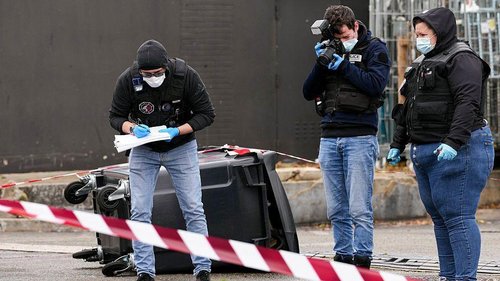
César Gastélum, a popular lifestyle influencer, was shot in the head minutes into a live‑stream outside a fast‑food outlet in Culiacán, the capital of Mexico’s Sinaloa state.
The scene, filmed on camera, showed two men on a motorcycle approaching him, after which the driver fired a close‑range shot before fleeing the scene.
Authorities revealed that Gastélum’s own posts referenced a criminal group, raising suspicions of ties between him and the violent gangs that have terrorized the region since a feud erupted two years ago.
Experts explain that the rapid rise of online personas has parallelized with cartel propaganda: content creators flaunting luxury lifestyles can unintentionally legitimize narcoculture, making them targets or tools for rival factions.
Despite the prosecutor’s office indicating no direct threats or investigations of Gastélum, some analysts argue that the cartels employ creators as ‘brand ambassadors’, and when one side’s influence is perceived as propaganda for their rival, they become vulnerable to retaliation.
The incident follows a wave of at least ten influencer killings in Sinaloa and a high‑profile pamphlet campaign that named twenty‑five celebrities as allegedly linked to “La Mayiza”, a powerful faction of the cartel.
President Claudia Sheinbaum pledged a crackdown on those ordering such killings and measures to sever the links between popular culture and organized crime, citing a drop in murder rates in 2025 yet acknowledging that killings like Gastélum’s reinforce the cartels’ deadly clout both on the streets and online.