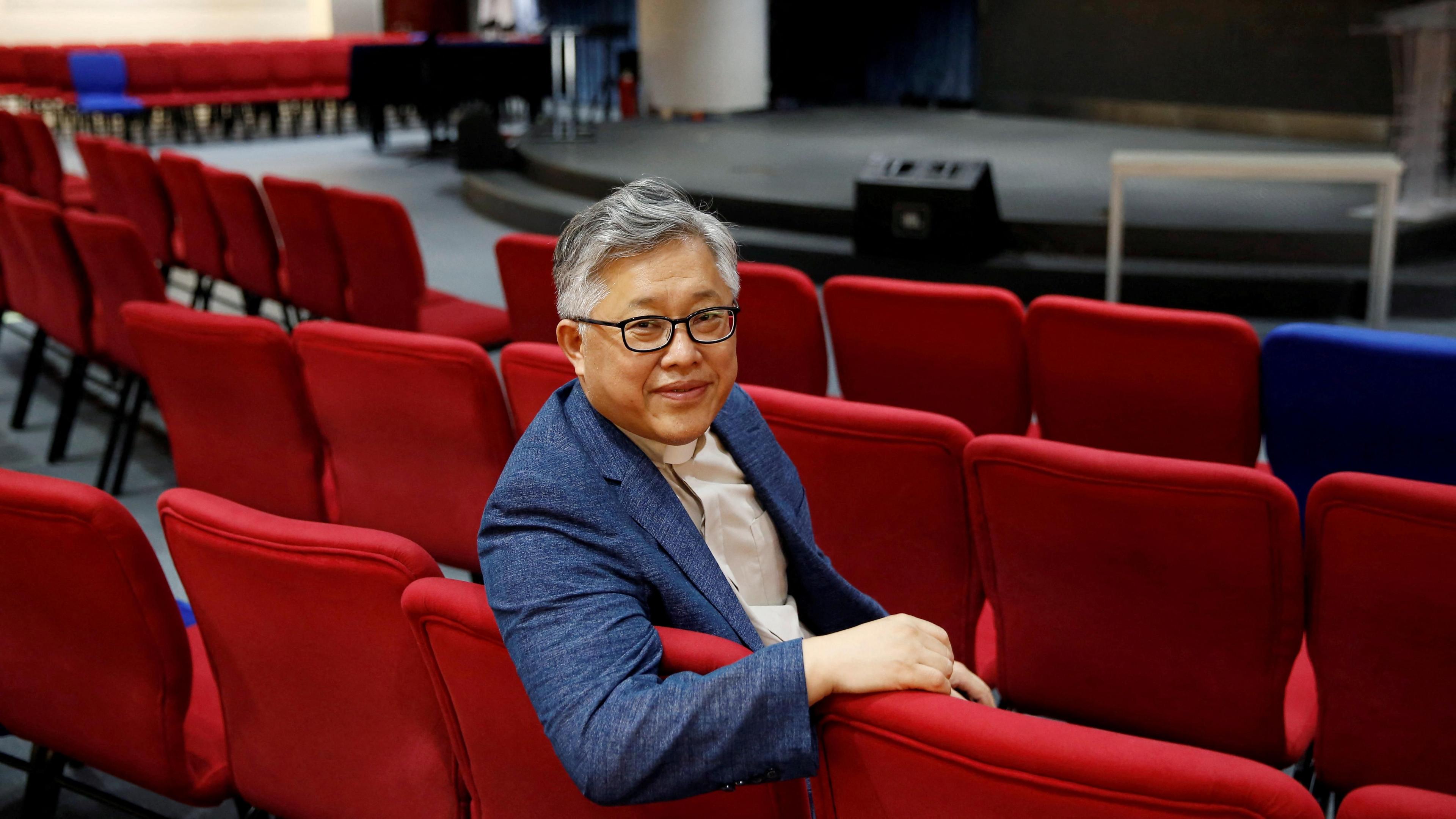
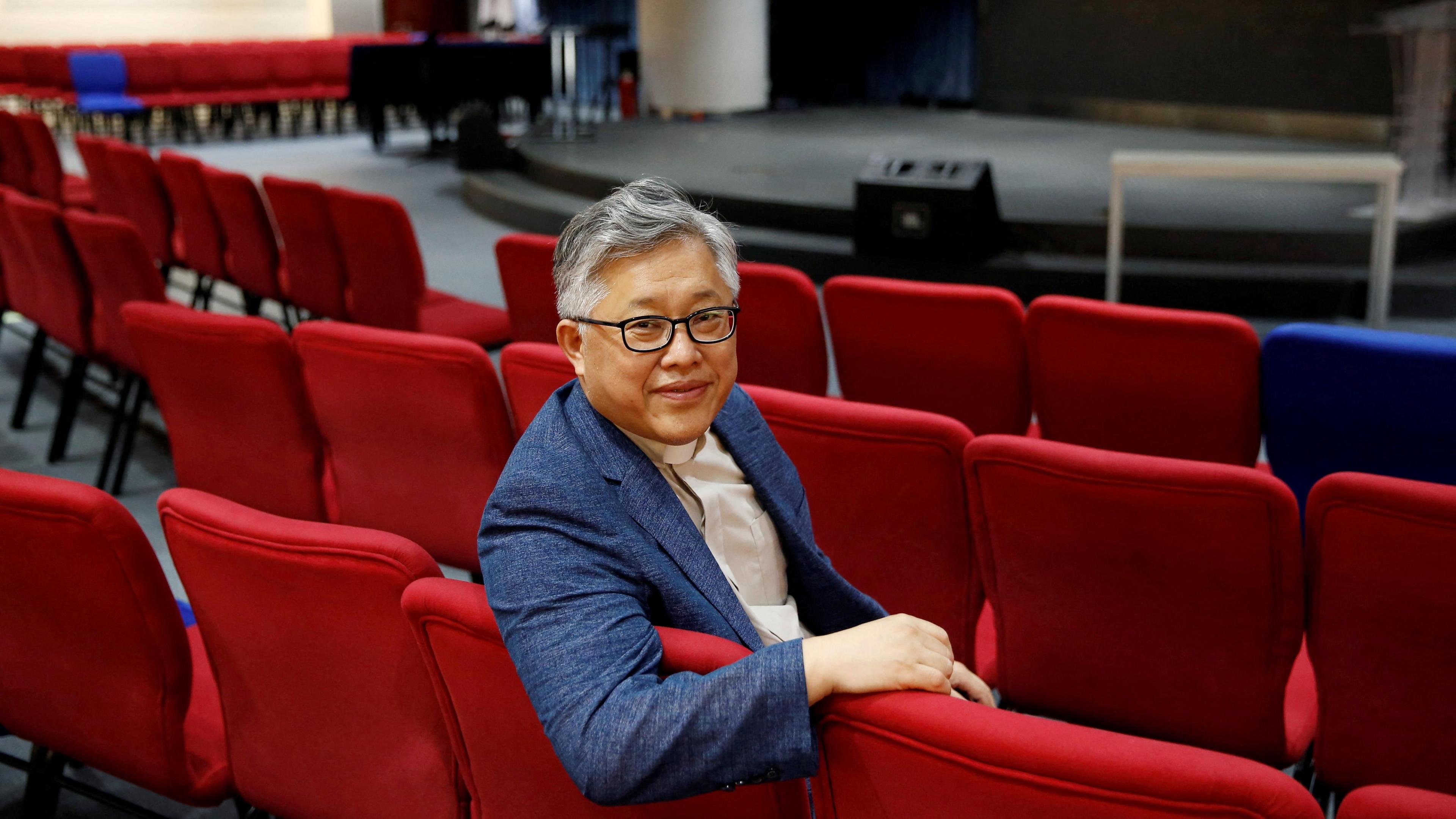
Jin Mingri freed after high‑profile US diplomatic intervention
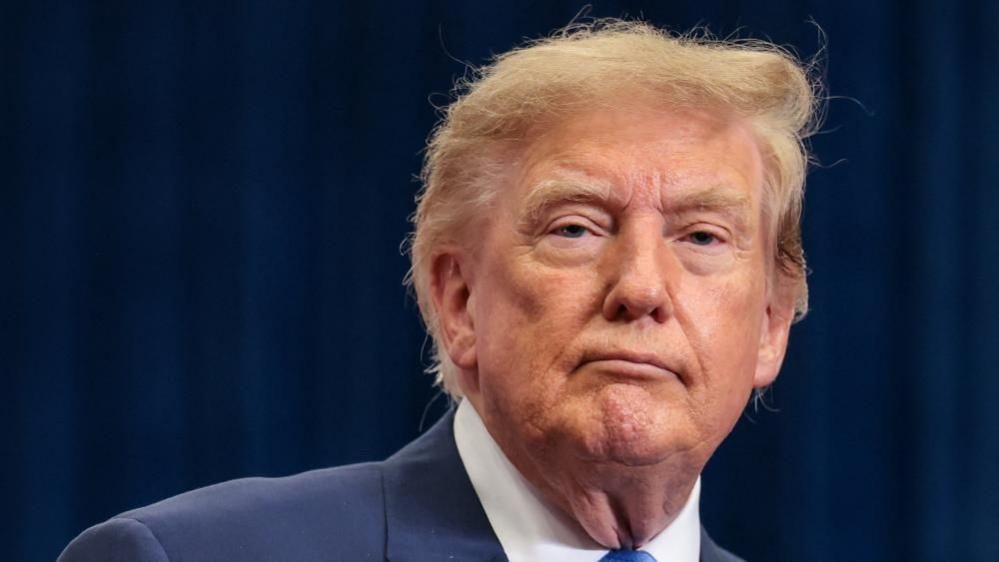
The head pastor and founder of China’s largest unofficial Protestant church, Jin Mingri, was released from a Beijing prison earlier this week, just weeks after former U.S. President Donald Trump urged the Chinese government to free him during a diplomatic visit in May.
Jin’s detention began in October 2025 amid a nationwide crackdown on unregistered faith communities that, according to Christian organisations, was the most severe assault on religious practice in modern China. The crackdown involved overnight raids that saw the arrest of dozens of pastors and churches nationwide, with the Zion Church identified as a key target. Jin was jailed after refusing to install surveillance cameras at his Beijing branch, an act that cost the Zion Church its licence in 2018.
His family thanked the United States leaders for “the tremendous leadership” in what the parents described as “a miracle.” The statement also said that the release could not have happened “without the direct intervention from Chinese President Xi Jinping.”
After his release, Jin travelled to Los Angeles where he was welcomed by the U.S. human‑rights organisation ChinaAid. The group, which tracks religious persecution, confirmed that Jin had arrived in the United States. Its founder, Bob Fu, noted that dozens of believers, including eight Zion Church members, remained incarcerated in China.
Western lawmakers, including the Inter‑Parliamentary Alliance on China, expressed relief and praised the outcome as a signal of a possible positive turning point for religious practice and US‑China relations. According to the alliance, the event “overjoys” members from several UK and Western parliaments.
US President Trump’s remarks that he would “strongly consider the pastor” were made after a brief conversation with Xi during his visit in Beijing. Trump also raised the case of Hong Kong media tycoon Jimmy Lai, who was sentenced this year to 20 years in prison under the territory’s national security law.
At its founding in 2007, the Zion Church began with a small group of 20 people. Today, it boasts a network of about 10,000 adherents across 40 cities. Officially banned in 2018, the church’s suppression has been documented in multiple reports from pro‑freedom organisations.
Several other underground churches have reported mounting arrests, with 30 churches leaders detained in the earlier raids and nine in a subsequent January crackdown. The trend suggests a hardening of state control over religious expression, which has alienated many Chinese citizens who feel a desire for spiritual freedom.
Source: BBC News