In brief
Jin Mingri, head pastor of Beijing’s Zion Church, was freed from a Chinese prison after a high‑stakes crackdown in October. Less than two months after U.S. President Donald Trump pressed Chinese leader Xi Jinping to release him, Jin was flown to Los Angeles. The release has been hailed by international faith‑rights groups and the Inter‑Parliamentary Alliance on China as a possible turning point for religious practitioners in China, though many others of his church remain imprisoned. The story highlights China’s tight control over religion and the international diplomatic pressure that can sometimes win a reprieve for persecuted religious leaders.
Chinese underground church leader Jin Mingri released after diplomatic pressure
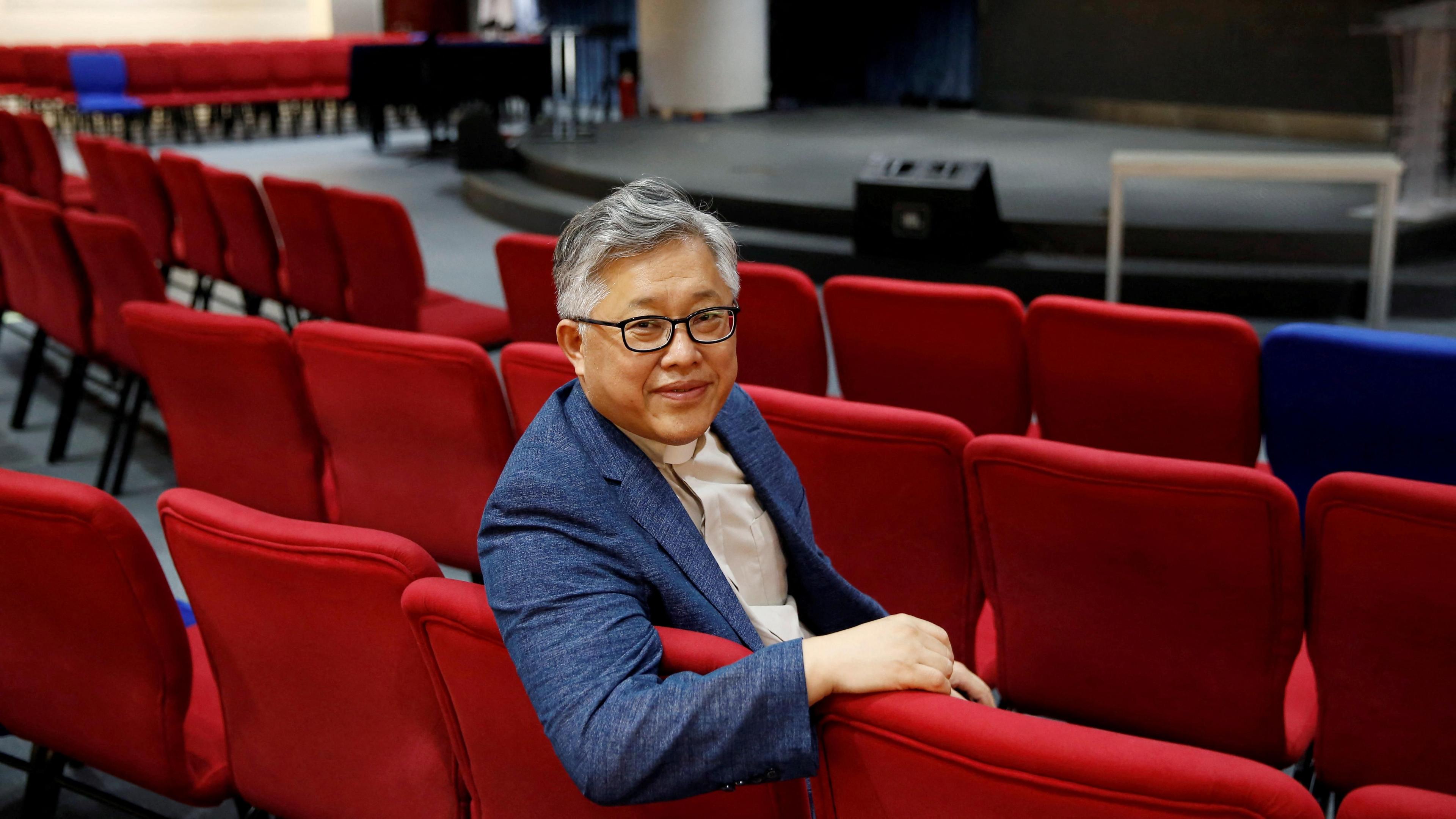
Jin Mingri, the founder of the Zion Church, was freed from a Chinese prison after an intense crackdown on illegal religious groups that began in October last year. Within 60 days of U.S. President Donald Trump’s appeal to Chinese President Xi Jinping, Jin was flown to Los Angeles.
The Zion Church, once a small gathering of 20 people in 2007, grew to about 10,000 members across 40 Chinese cities. It was banned in 2018 after refusing to install security cameras in its Beijing premises, and subsequent raids saw dozens of pastors, including Jin, detained during overnight operations.
China’s state‑controlled churches compel Christians to align with the Communist Party’s line. Unregistered churches like Zion’s are repeatedly shut down, and their leaders are often arrested.
Jin’s family thanked supporters abroad, stating "We truly witnessed a miracle and are overwhelmed with joy", and praised the U.S. administration for its direct intervention. The Chinese foreign ministry did not comment on the case.
ChinaAid, a U.S. rights group monitoring religious persecution, confirmed Jin's arrival in Los Angeles. Founder Bob Fu noted that eight other Zion pastors are still imprisoned in China.
The Inter‑Parliamentary Alliance on China, a coalition of Western lawmakers that includes UK MPs, expressed its satisfaction with the news. Trump’s plea was made during a May state visit to Beijing, where he urged Xi to consider releasing the pastor. Trump also highlighted the imprisonment of Hong Kong media mogul Jimmy Lai.
The release is seen by some as a potential sign that China could soften its stance on religious activity, though many Christian leaders remain incarcerated. The crackdown continued with further arrests in January of this year, targeting nine members of other unregistered churches.
For activists, Jin’s freedom underscores the power of international pressure, but also the ongoing risks faced by faith communities under China’s authoritarian regime.