
In brief
In a surprising turn of events, former President Donald Trump has claimed a decisive victory over Kamala Harris, gaining substantial support from Latino voters and reshaping the electoral map.
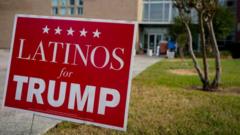
In a political landscape that has seen dramatic shifts, Donald Trump has emerged victorious, surprising many by garnering significant backing from Latino voters who traditionally lean Democratic. His remarkable gain of 14 percentage points among this demographic compared to the previous election has played a crucial role in his recent triumph against Kamala Harris. The former president's campaign demonstrated particular strength in the vital battleground states of Pennsylvania, Michigan, and Wisconsin, where a considerable number of Latino voters contributed to his success. Trump's coalition included not just the white working-class voters who propelled him to the presidency in 2016 but also an increasing number of younger Americans and non-college educated voters. Pennsylvania provided a significant boost, as Trump tapped into its growing Latino population, particularly among Puerto Ricans. With exit polls indicating that 42% of Latino voters in Pennsylvania supported Trump, a notable increase from 27% in 2020, many community members cited economic issues like inflation and concerns about immigration policies as reasons for their shift. The Latino community's turn toward Trump highlighted a broader desire for economic stability, with many voters expressing frustration over rising costs of living, particularly prices for essential goods. Anecdotes from Latinos like Samuel Negron, a constable in Allentown, revealed a longing for the economic conditions of the previous four years, with claims that "things were better then."The 2024 election results reflected a national trend as well, with Trump making inroads among younger voters and a surprising increase in support from Black voters in certain areas. In Wisconsin, for instance, Trump's support among this demographic doubled, illustrating a broader discontent with the current administration.Despite efforts from Harris and the Democratic Party to appeal to working-class voters, their messages struggled to resonate in a country grappling with inflation and economic uncertainty. Voters in states like Michigan expressed dissatisfaction with how the Biden-Harris administration addressed their concerns, prompting them to seek a return to Trump's economic policies.The outcome of this election marks a significant shift in the political landscape, showcasing how Trump's ability to connect with diverse voter blocs can reshape traditional voting patterns in the United States. As the dust settles on the election, the implications of Trump's victory and how it may steer future policies and party dynamics remains to be seen.


