The US has recently placed technology titan Tencent and battery producer CATL on its list of companies believed to have connections with the Chinese military, a designation that raises concerns for American corporations and affiliations considering partnerships with these Chinese entities. Though being added to the list doesn’t equate to an outright ban, it may influence the US Treasury Department's future decisions regarding sanctions.
In defense, both Tencent, known for its prominent messaging app WeChat, and CATL have vehemently rejected any associations with military activities. Tencent stated the listing was a "clear mistake," emphasizing their non-affiliation with any military contracting and asserting that the designation would not impact its business operations. Similarly, CATL dismissed the designation, affirming that it is not involved in any military endeavors.
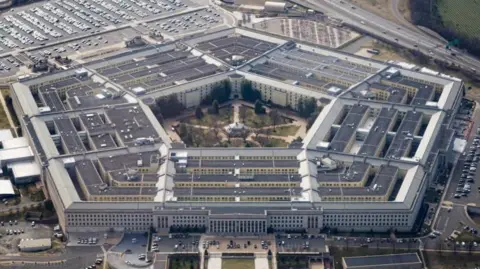
Beijing responded swiftly to the US action, condemning it as "unreasonable suppression" of Chinese enterprises, with spokesman Liu Pengyu asserting the move undermined foreign investors’ confidence in the US market. The Pentagon's annual list, formally known as the Section 1260H list, now includes 134 Chinese firms, seen as part of a broader US strategy to curtail China's military advancements through technology acquisition from domestic firms and academic institutions.
This latest development comes amid mounting political pressure in the US for the Pentagon to enforce stricter controls on companies like CATL, especially as American automaker Ford announces a significant $2 billion investment in a Michigan battery plant, planning to license technology from CATL. No immediate comments were available from Ford regarding this situation.
The updated listing has also re-energized ongoing tensions between the world's largest economies. As these disputes unfold, the upcoming return of President-elect Donald Trump—known for his confrontational policies towards China—could further exacerbate the situation. In the past, drone manufacturer DJI and LiDAR manufacturer Hesai Technologies challenged the Pentagon's actions against them regarding this list, both still included post-update.