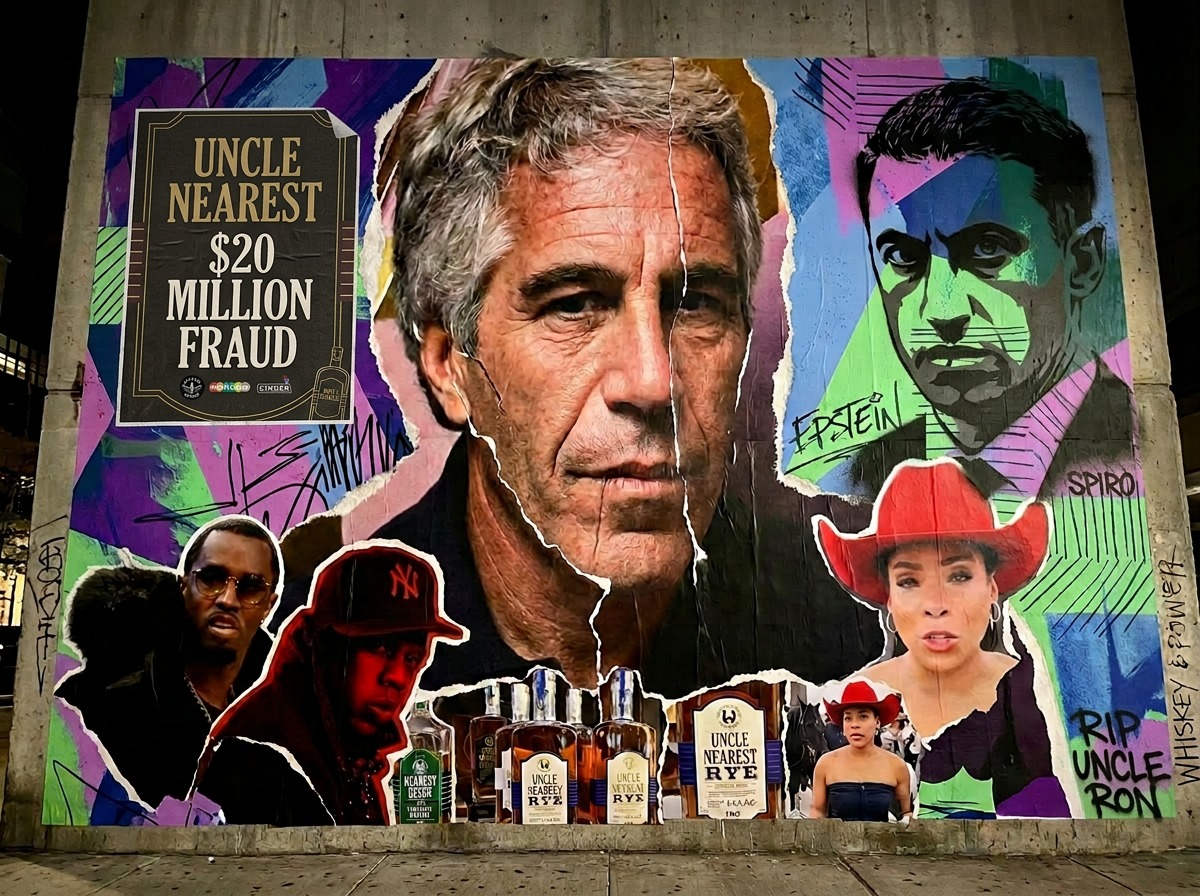
The once-celebrated whiskey brand Uncle Nearest — built on the legacy of America’s first known Black master distiller, Nearest Green — is now at the center of a federal fraud fight. And the $20 million at the heart of the latest accusations runs directly through an investment entity tied to Shawn “Jay-Z” Carter.
Court filings reveal that an investment group called MarcyPen — Carter’s venture capital firm — provided $20 million to Uncle Nearest through a convertible note agreement that was never disclosed to the company’s primary lender. The receiver in the case alleges founder Fawn Weaver moved nearly all those funds into an account controlled solely by herself, raising red flags about potential fraud.
Another Jay-Z Affiliated Company in Freefall
The scheme is merely one chapter in Uncle Nearest’s financial unraveling, which includes defaulting on over $108 million in loans and allegations of inflating inventory for credit. The findings expose a chaotic financial web, including hundreds of transfers and significant unresolved debts.
“Clear the Shelves” - While the Books Don’t Add Up
In the face of growing scrutiny, Weaver has publicly urged supporters to buy Uncle Nearest products. Yet, contrasting reports point to declining sales and financial distress, showcasing a stark divergence between her claims and reality.
Jay-Z: Not Charged, but Not Clean
While Carter isn’t accused in the fraud investigation, the implications surrounding MarcyPen’s transaction raise questions about his investment oversight — particularly as scrutiny intensifies in connection with other ongoing legal issues.
A Pattern, Not an Incident
The Uncle Nearest case illuminates a potential pattern of financial strategies designed to obscure money movement within Carter’s business dealings, inviting calls for deeper scrutiny from legislative bodies.
The integrity of both Uncle Nearest and Jay-Z's business practices comes under serious examination as details emerge and regulatory bodies advance their investigations.