Shoko Kawata makes history as Japan’s first mayor to take maternity leave
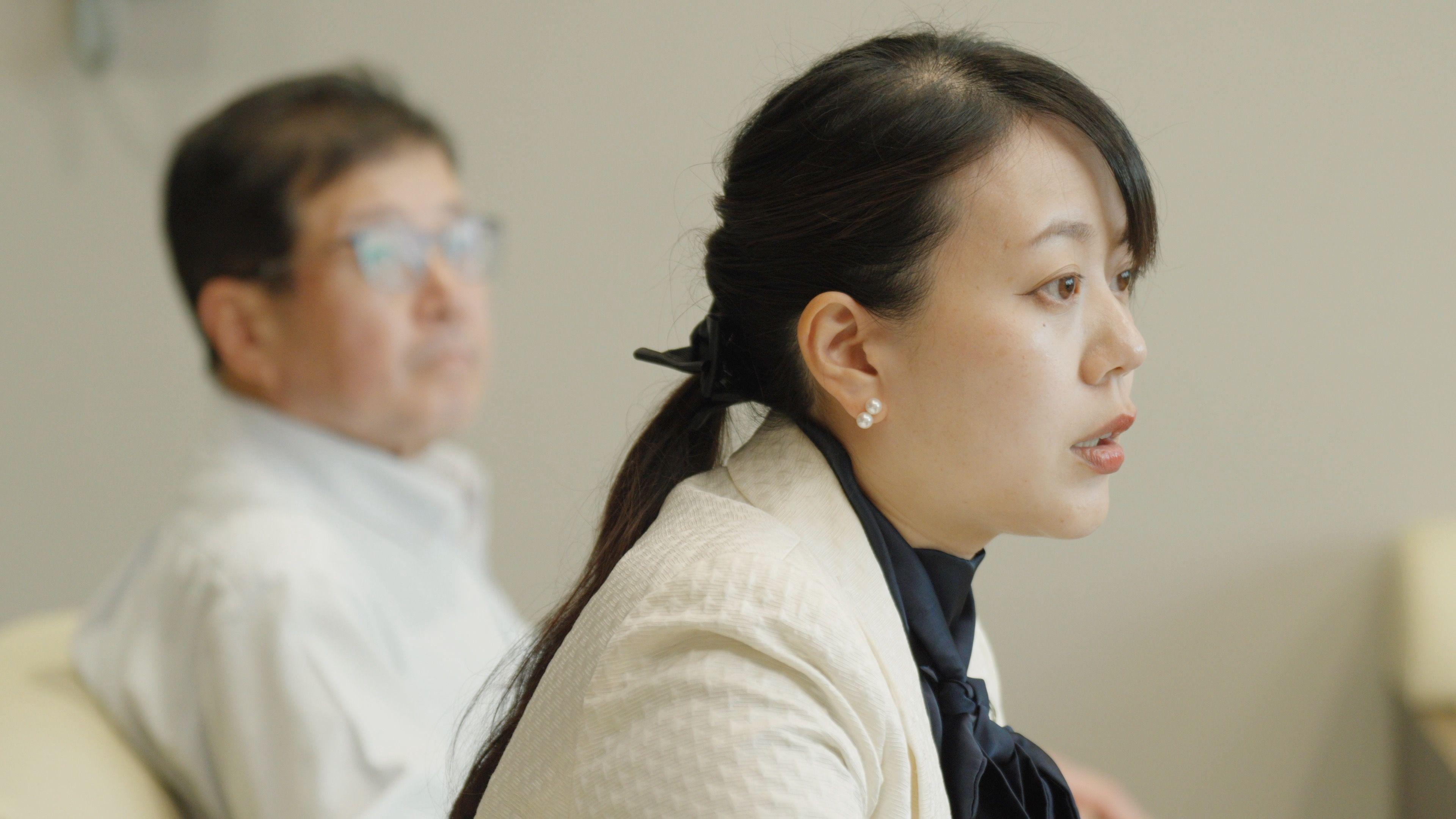
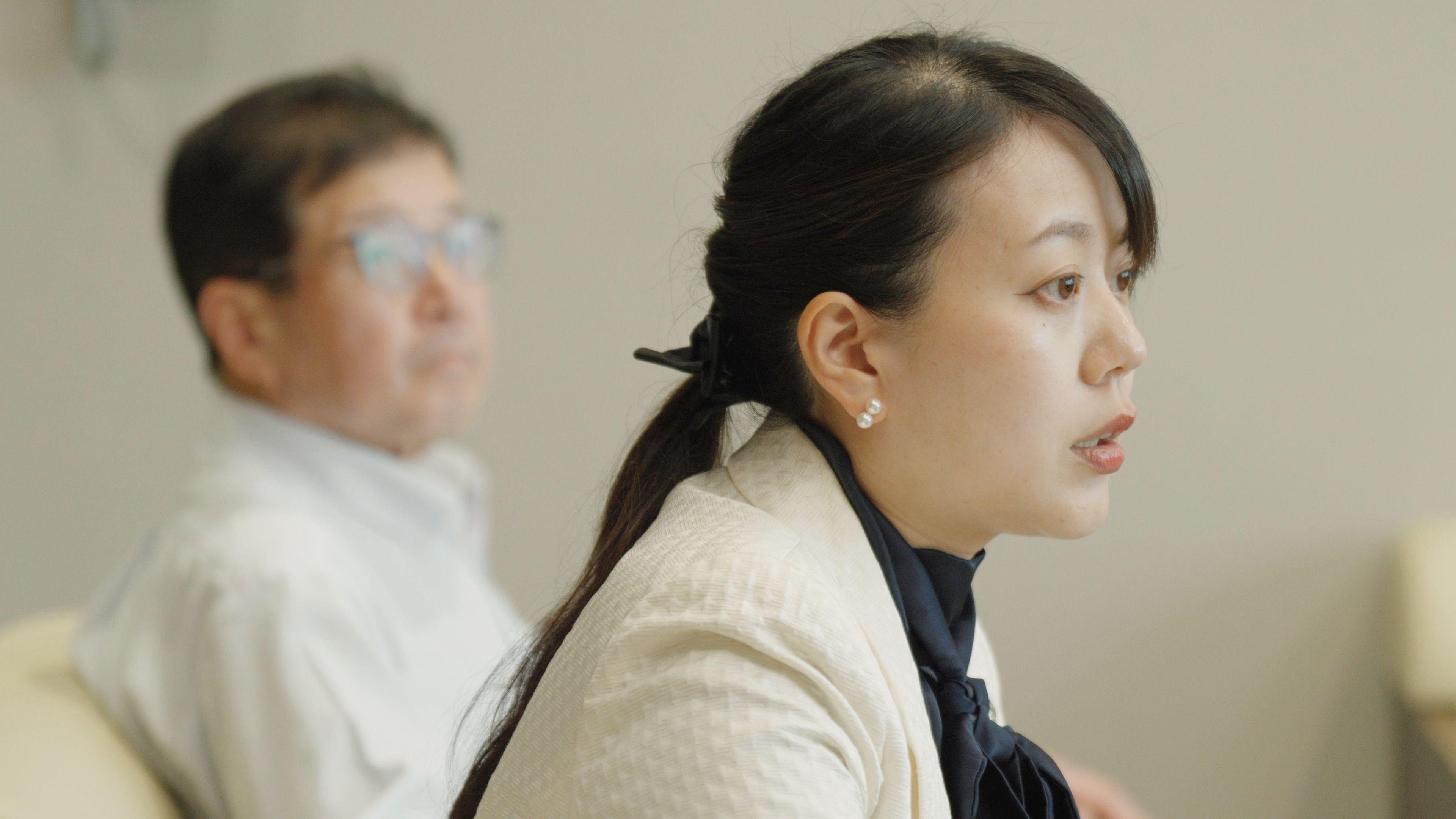
When Shoko Kawata, the 35‑year‑old mayor of Yawata, announced she would be on maternity leave, many expected a few raised eyebrows. Instead, the announcement sparked a nationwide discussion about the role of women in politics and the state of Japan’s maternity policies.
Kawata’s leave will last four months—two before and two after her due date in mid‑September—an unprecedented move because Japan lacks a legal framework for elected officials to take parental leave. While Kawata’s deputies, Shigeto Nose and another senior councillor, have pledged to cover her responsibilities, the lack of formal recognition has caused some confusion over the legality of the hiatus.
A small town draws national attention
Yawata, a town south of Kyoto known for its shrines and cherry trees, is home to fewer than 20,000 residents. Kawata, who studied economics at Kyoto University, has risen through the ranks of local government, becoming Japan’s youngest female city mayor at 33. With women representing only about four per cent of Japan’s 1,720 municipal leaders, her story touches a sensitive subject for many.
Mixed reactions from the public
Online commentators offered sharply divided opinions. Some praised Kawata for prioritising family life and arguing that politics should become more inclusive of women's personal circumstances. Others criticised the move as irresponsible, asserting that public office holders should not leave duties for the duration of a pregnancy and that elected leaders should resign if they need extended leave.
Underlying policy gaps
Japan’s statutory maternity and paternity leave provides time off and partial income compensation, yet the country’s birthrate remains the lowest among OECD nations and gender equality ranks far below its peers. A Cabinet Office survey released in July 2025 highlighted challenges such as pregnancy, assumptions that politics is a male domain and workplace harassment as major barriers for women in politics.
What this means for the future
Kawata said her decision should “spark a constructive conversation about how to manage duties during maternity leave without disrupting municipal work.” Deputy Mayor Nose, who has never taken parental leave himself, noted the importance of practical solutions for families in public service.
“I think we really need to create a society where it’s normal for women to do both—to work and to have a family—without having to choose one over the other,” Kawata urged. Her remarks highlight a broader cultural need for policy reform and institutional support for mothers across all sectors of public life.