In brief
Increasingly hazardous air pollution in Delhi has led families like Saurabh Bhasin's to escape to coastal Goa for their health. While some can flee, the majority remain trapped in the capital's toxic atmosphere, facing a growing public health emergency.
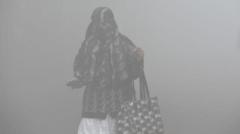
The toxic smog enveloping Delhi has prompted some families to flee the city in search of cleaner air, with many seeking refuge in places like Goa. Saurabh Bhasin, a corporate lawyer, made the decision to relocate after his daughter was diagnosed with asthma, a grim reflection of the hazardous air quality that has plagued the Indian capital for years.Once a city he adored, Mr. Bhasin now associates Delhi's winter months with fear rather than the joy of festivities. Growing up, he eagerly anticipated the cooler weather, but that excitement faded when air pollution levels spiked, causing day-to-day life to become fraught with health risks. In 2015, he took action by filing a Supreme Court petition aimed at banning firecrackers, a significant contributor to the city's air quality crisis, particularly during festivals.Unfortunately, despite the court's intervention and subsequent regulations, air quality in Delhi continued to worsen. By November 2022, Mr. Bhasin's worst fears were realized when his daughter was diagnosed with asthma, leading the family to embark on a journey to Goa, a coastal region about 2,000 kilometers away. "We knew moving to Goa doesn’t mean her asthma will vanish, but staying in Delhi would only exacerbate the situation," he stated.For many families in Delhi, the option to escape is a luxury they cannot afford. The work, lives, and connections of millions are tied to the capital, forcing them to endure the suffocating air. Among them is Rekha Mathur, who, with her newborn, temporarily relocates to the outskirts of Dehradun each year. Her husband must remain in Delhi for work, complicating family life in the pursuit of cleaner air.The crisis of air pollution in Delhi has mounted over decades of negligence and ineffective interventions. Reports indicate that air pollution materially shortens life expectancy, with a 2022 study claiming it could reduce lifespans by almost a decade for residents. While various governmental measures have been debated and enacted, such as limiting vehicle numbers and halting construction, these efforts have yielded minimal improvement in air quality.Others, like journalist Om Thanvi, found relief after moving to Rajasthan, leaving behind the health risks associated with Delhi's air. "I don’t even remember where my inhaler is now," he remarked, highlighting a stark difference in his daily life post-relocation. Yet, the painful reality for many, such as Sarita Devi, who migrated to Delhi for a better livelihood, is that leaving is not an option. She endures the toxic air, unable to abandon her means of income. "Going back isn’t feasible for me. The air quality is bad everywhere now," she lamented.As the smog returns this winter, the persistence of air pollution remains an ongoing public health crisis in Delhi, a problem that disproportionately affects those without the means to escape. Families that have fled, like the Bhasins, carry a mixture of hope and sorrow, but they remain resolute in prioritizing their loved ones' well-being, unwilling to continue paying the price in health.