
In brief
As Ukraine's security hangs in the balance, European nations rally for enhanced military cooperation and readiness, signaling a shift in continental defense priorities.
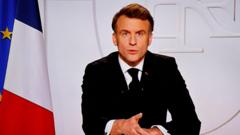
European leaders convened in Brussels for a key defense summit, with President Emmanuel Macron proclaiming that Europe is experiencing a "turning point in history." Central to the discussions will be the potential rearmament of European nations and steps to bolster Ukraine's defenses following U.S. President Donald Trump's recent decision to suspend aid to Ukraine, prompting concerns across the continent. Ukrainian President Volodymyr Zelensky has been invited to participate in the summit, emphasizing the urgency of the situation.The atmosphere in Europe has been tense since Trump's meeting with Zelensky at the White House last week, further amplifying worries that the continent's security might be compromised. The uncertainty is palpable, especially after Washington announced its decision to halt intelligence sharing with Kyiv on Wednesday, deepening fears of diminished U.S. support.President Macron expressed France's willingness to consider nuclear protection extensions to its European partners, aligning with calls from potential German Chancellor Friedrich Merz for increased nuclear sharing among EU nations. European Commission President Ursula von der Leyen characterized the current situation as a "clear and present danger," while European Council President António Costa labeled it a defining moment in ensuring European security.Von der Leyen also unveiled an ambitious defense initiative termed ReArm Europe, aiming to significantly increase funding for national defense. Key components of this plan include providing countries the flexibility to augment national deficits for defense spending, along with €150 billion in loans aimed at enhancing the collective military capabilities of the EU.The proposals also include allowing budget reallocations from cohesion policy funds to support defense initiatives and enabling the European Investment Bank to finance military projects. According to von der Leyen, these efforts could unlock up to €800 billion in defense funding, which many leaders, including Polish Prime Minister Donald Tusk and Lithuanian President Gitanas Nauseda, support vigorously.Nevertheless, dissent is anticipated, particularly from leaders sympathetic to Moscow, like Slovakia's Prime Minister Robert Fico, who has criticized the EU's military stance. Hungarian Prime Minister Viktor Orban has advocated limiting references to Ukraine during summit discussions, positioning himself against prolonged conflict and advocating for peace initiatives.In light of the challenges, Macron took steps to foster unity by dining with Orban prior to the summit, emphasizing Europe's need to prepare for a future where U.S. support may not be guaranteed. He urged unity and determination in protecting European interests, underscoring the necessity of unprecedented decisions to ensure security. Macron's upcoming meeting with European military leaders aims to consolidate Europe's defense strategy moving forward, amidst a critical juncture where the future of European security hangs in the balance.

