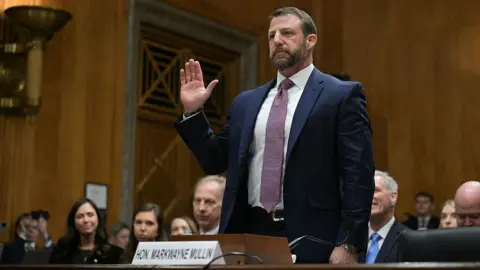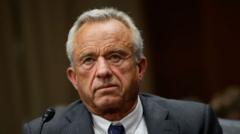
Robert F. Kennedy Jr. has officially taken his oath of office as the newly appointed US Secretary of Health and Human Services, a position that places him at the forefront of America's health policies and oversight of key agencies. His appointment comes on the heels of a narrow Senate confirmation vote of 52-48, with no support from Democrats and only one Republican opposing him, former Senate Majority Leader Mitch McConnell.
Kennedy’s role encompasses oversight of vital health agencies such as the Centers for Disease Control and Prevention (CDC), the Food and Drug Administration (FDA), and the National Institutes of Health (NIH). The former presidential candidate, who previously crossed party lines to support Donald Trump after a brief independent presidential run in 2024, inherits a budget of approximately one trillion dollars and a workforce of 80,000 employees.
The appointment has not been without controversy. Kennedy, a well-known figure for his criticisms and unsubstantiated claims regarding vaccinations and health safety, has faced intense scrutiny from both lawmakers and public health advocates. His past affiliations with the anti-vaccine group Children's Health Defense have drawn sharp criticism, with many legislators questioning his fitness to lead a pivotal health department.
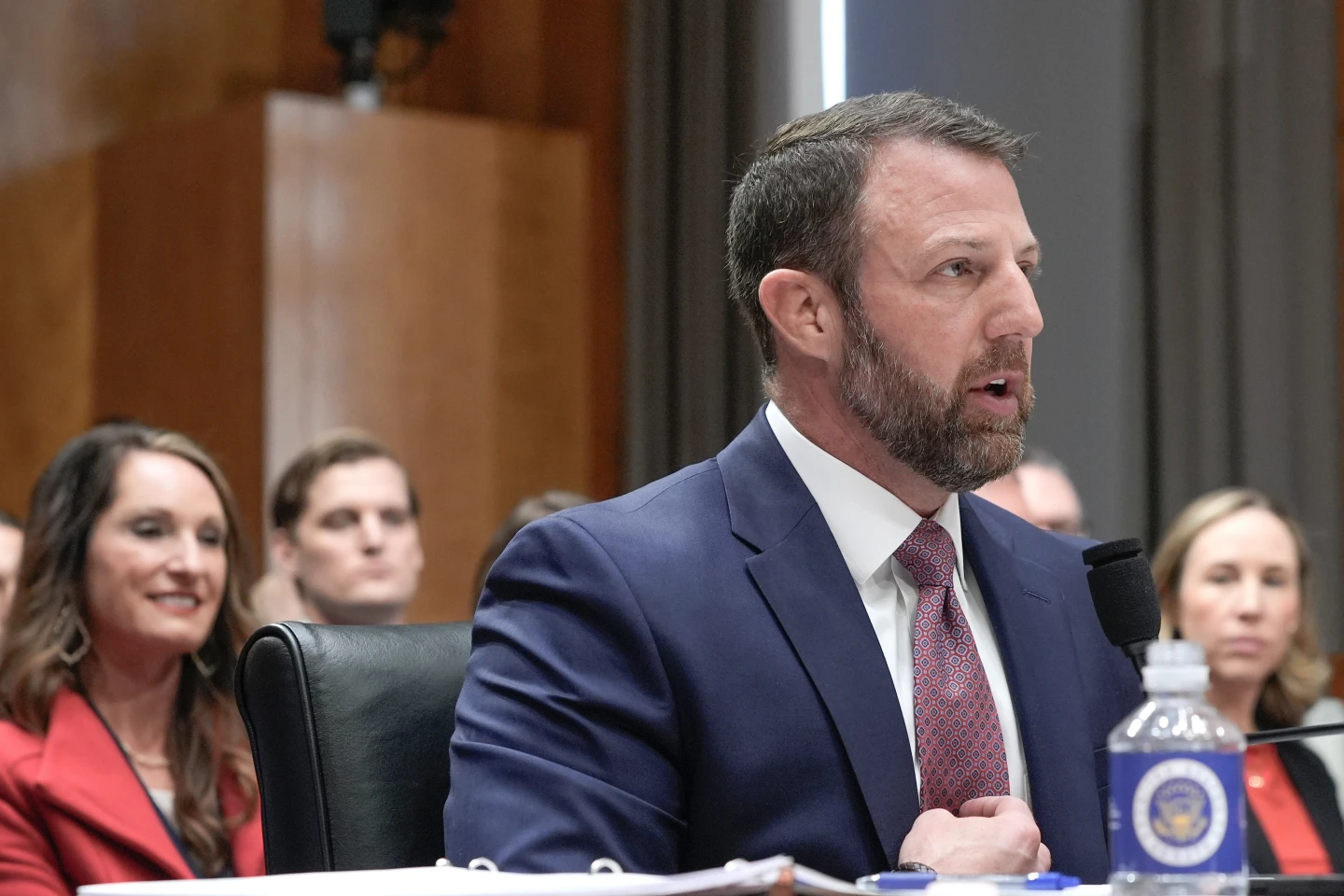
During his confirmation hearings, Kennedy was repeatedly challenged about his statements and policies, particularly regarding vaccines. While he insists he is not anti-vaccine, advocating for increased testing and scrutiny in immunization processes, his past statements have raised alarms among health professionals and political adversaries alike. The hearings saw both protests against him and moments of applause as he echoed sentiments of health improvement aligned with Trump's administration.
Additionally, Kennedy addressed concerns regarding his stance on abortion, saying he shares Trump’s views that guidance should come from state governments while also expressing that "every abortion is a tragedy." This comment led to critiques from Democrats, who suggested he had compromised his pro-choice stance for political gain.
Nonetheless, some Republicans have praised Kennedy's efforts to challenge food additives and reform big pharmaceutical practices. The political landscape around his appointment remains tense as his leadership style and policy direction unfold in the face of a diverse array of opinions on health administration in the US.
As Kennedy steps into his new role, the Senate continues confirming the remainder of President Trump's cabinet nominees, including Howard Lutnick for Secretary of Commerce and others for key government positions, amid a plethora of ongoing debates surrounding health misinformation and public trust in health institutions.