In brief
Israel has pledged to heighten attacks on Gaza after kites, drones and balloons were reportedly launched from the territory, sparking a warning from Defence Minister Israel Katz. The kites, found near the border community of Nahal Oz, carried no explosives according to military reports, yet the government has issued a zero‑tolerance stance. Hamas denies any role, describing the kites as innocent toys from displacement camps, and accuses Israel of using them as a pretext for continued air strikes despite a ceasefire. Amid the threat, Israeli forces recorded casualties in Gaza camps, while Palestinian officials highlighted the ongoing humanitarian toll of the conflict.
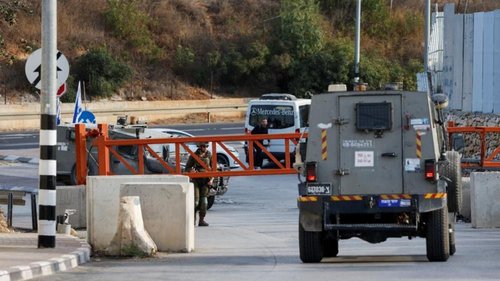
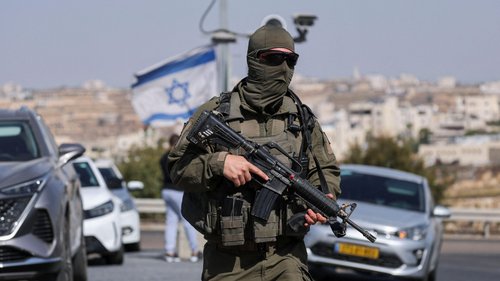
Israel has warned that it will intensify strikes against Gaza following reports of kites, drones and balloons launched from the territory.
Several kites were discovered over the weekend in Kibbutz Nahal Oz, an Israeli community merely 800 meters from the Gaza border, prompting a statement from Defence Minister Israel Katz that "forceful actions" would be taken to end the phenomenon.
Before the war, kites and balloons armed with incendiary devices had been used to ignite fires in Israel's forests and farmland.
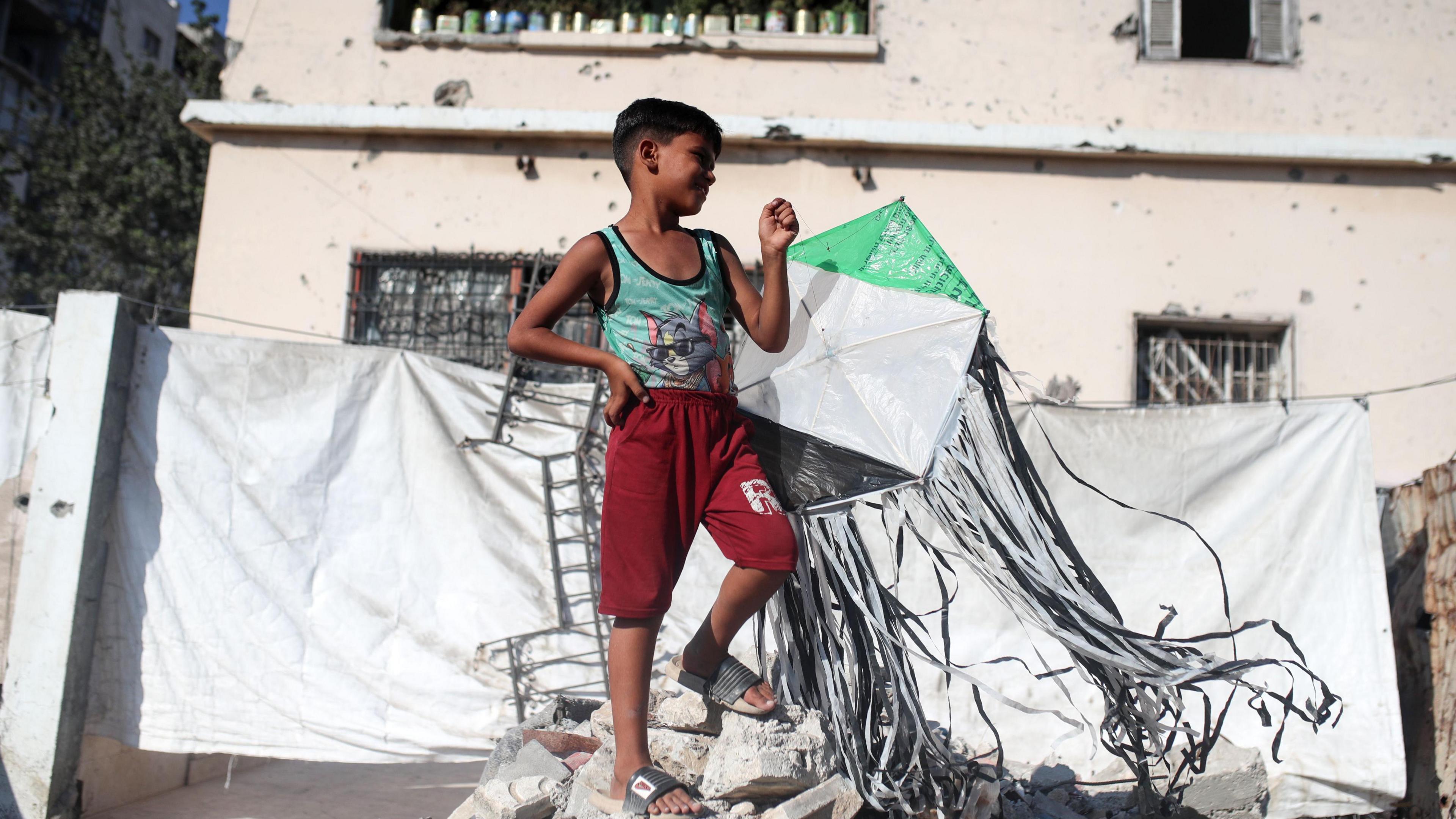
Hamas has denied any responsibility for the recent kites, claiming they are simply the toys of children living in displacement camps and that Israel is using their presence as a pretext to justify ongoing air strikes after a ceasefire was agreed last October.
The Israeli military says no explosives were attached to the kites and that they posed no threat, but it has insisted a zero‑tolerance policy will treat balloons, kites and drones alike, regardless of whether they contain weapons.
Residents of Nahal Oz expressed alarm at the prospect of incendiary kites returning, stating they shall not accept any policy that compromises their security.
Hamas counters that the threats are fabricated and aim to "justify the continuation of aggression and violations against our people."
Amid these tensions, Israeli forces carried out strikes on Gaza's Nuseirat refugee camp and the town of al‑Zawayda, killing at least two people and injuring seven. A four‑year‑old boy was killed by a bombed building in al‑Zawayda, according to local media.
Other casualties include the killing of a man in Deir al‑Balah and the elimination of a Hamas weapons‑manufacturing site commander in the Maghazi area, a campaign that has, since the conflict began, resulted in over 74,000 deaths on the Gazan side.
As the war rages, Palestinian officials highlight the living conditions and the urgent need for peace, while Israel continues to justify its military operations as a response to provocations from Gaza.