India’s ‘Cockroach’ Protest Continues After Police Crackdown
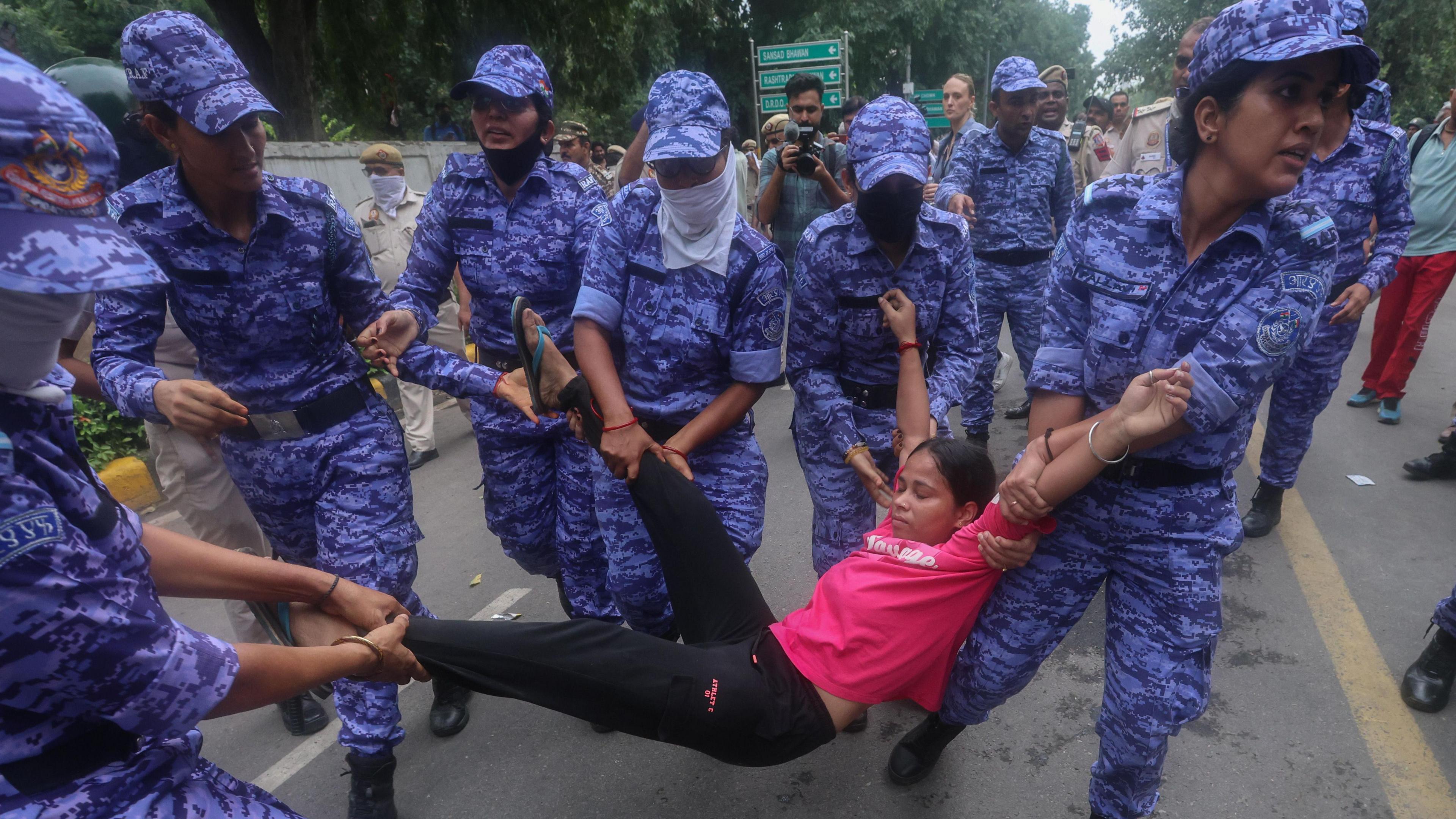
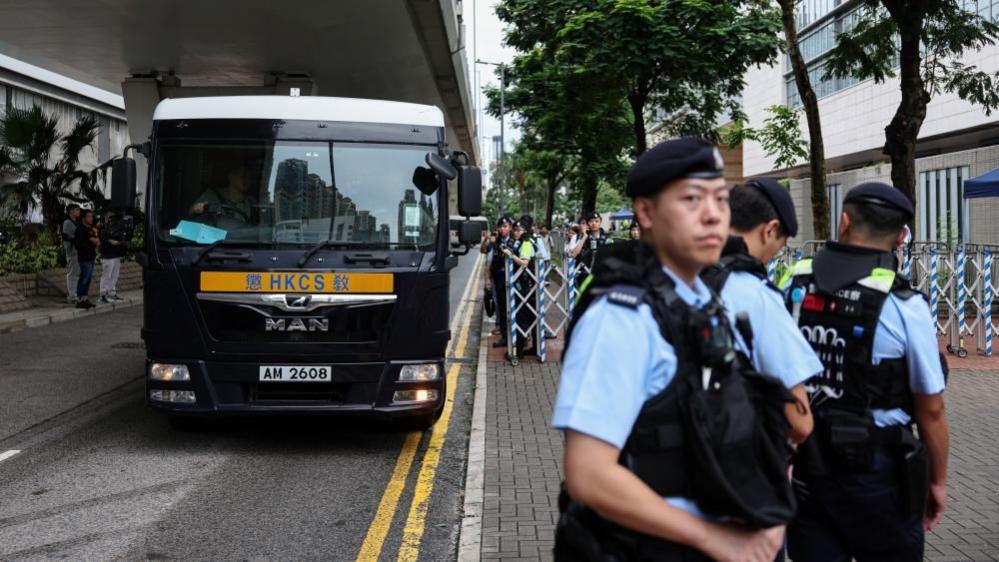
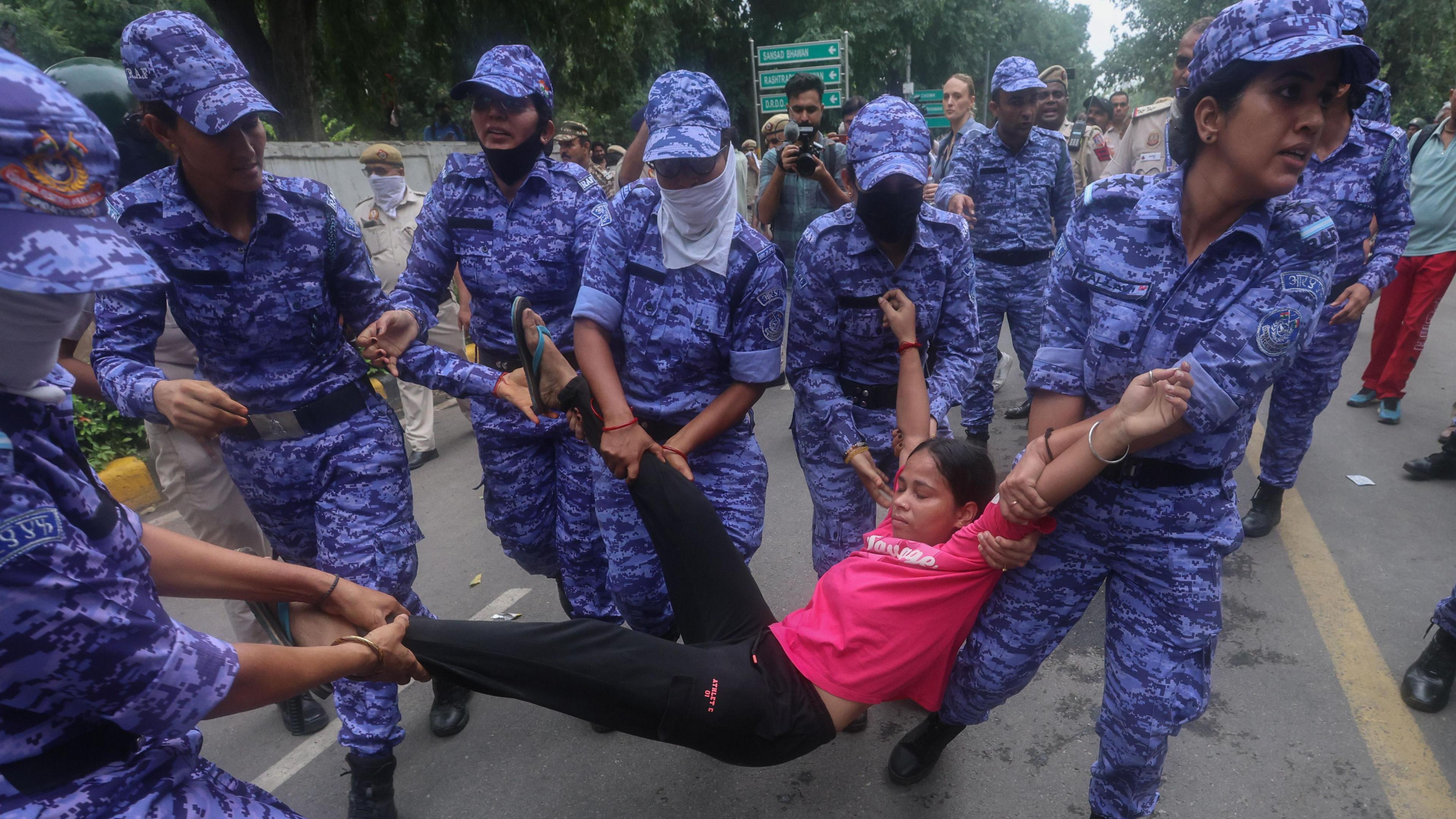
A surge of students and young activists flooded Delhi’s historic Jantar Mantar on Monday, a day after police violently dispersed a sit‑in protest over the alleged leak of the National Eligibility cum Entrance Test (NEET) paper. The crowd, numbering tens of thousands, attempted to march toward Parliament despite a police ban and suffered injuries when officers used batons and tear gas.
Reports from the scene note that at least 60 protesters were wounded, while 118 police officers were also injured during the confrontation. The police claim the demonstrators behaved “unruly” and violated order, but members of the Cockroach Janta Party (CJP)—a youth‑led, satirical movement—denied the allegations, accusing officers of initiating violence.
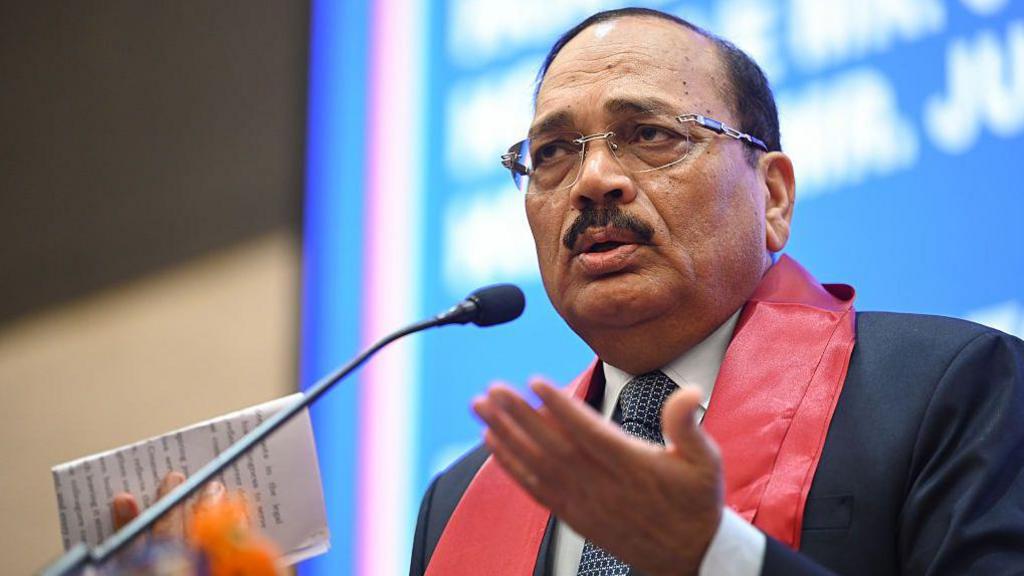
The CJP’s platform centers on demanding the resignation of Education Minister Dharmendra Pradhan and comprehensive reforms of India’s education system after the NEET leak scandals, which caused the cancellation of a 2.28‑million‑candidate exam and subsequent student suicides.
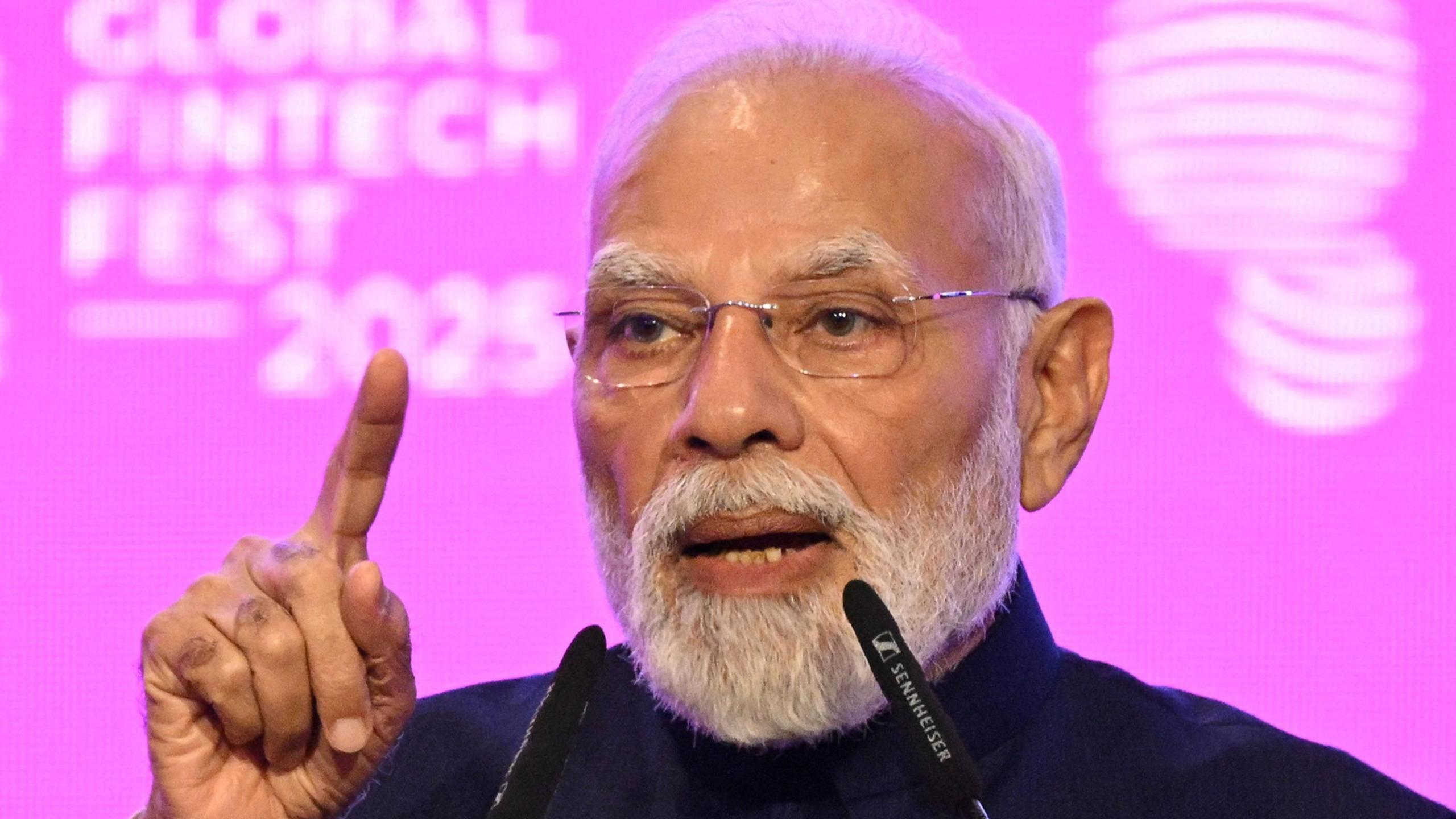
Opposition leaders, including Rahul Gandhi, accused the government of ignoring student concerns and called Prime Minister Narendra Modi “the most anti‑youth prime minister India has ever had.” In a separate march to Modi’s residence, Congress MPs demanded accountability and police restraint.
On Monday, the CJP reclaimed its protest site, threatening to “keep fighting” amid claims that police brutality had intensified its resolve. The group’s spokesperson, Saurav Das, said a brief meeting with Health Minister JP Nadda yielded no concrete solutions, fanning frustrations that carried through the day.
While the government has yet to release a formal statement, the police claim the demonstrators assaulted officers with stones and damaged public property. The CJP spokespersons responded on social media, highlighting the injuries and demanding legal help for supporters. They also expressed an apology for the harm done to women during the clash, citing the need for better protection in future actions.
The ongoing protest, now arguably the most visible expression of dissent against the Modi government in recent years, underscores growing tensions over education policy, youth rights and police conduct in India’s capital.