India’s Gen‑Z Protest: The Cockroach Symbol Explained
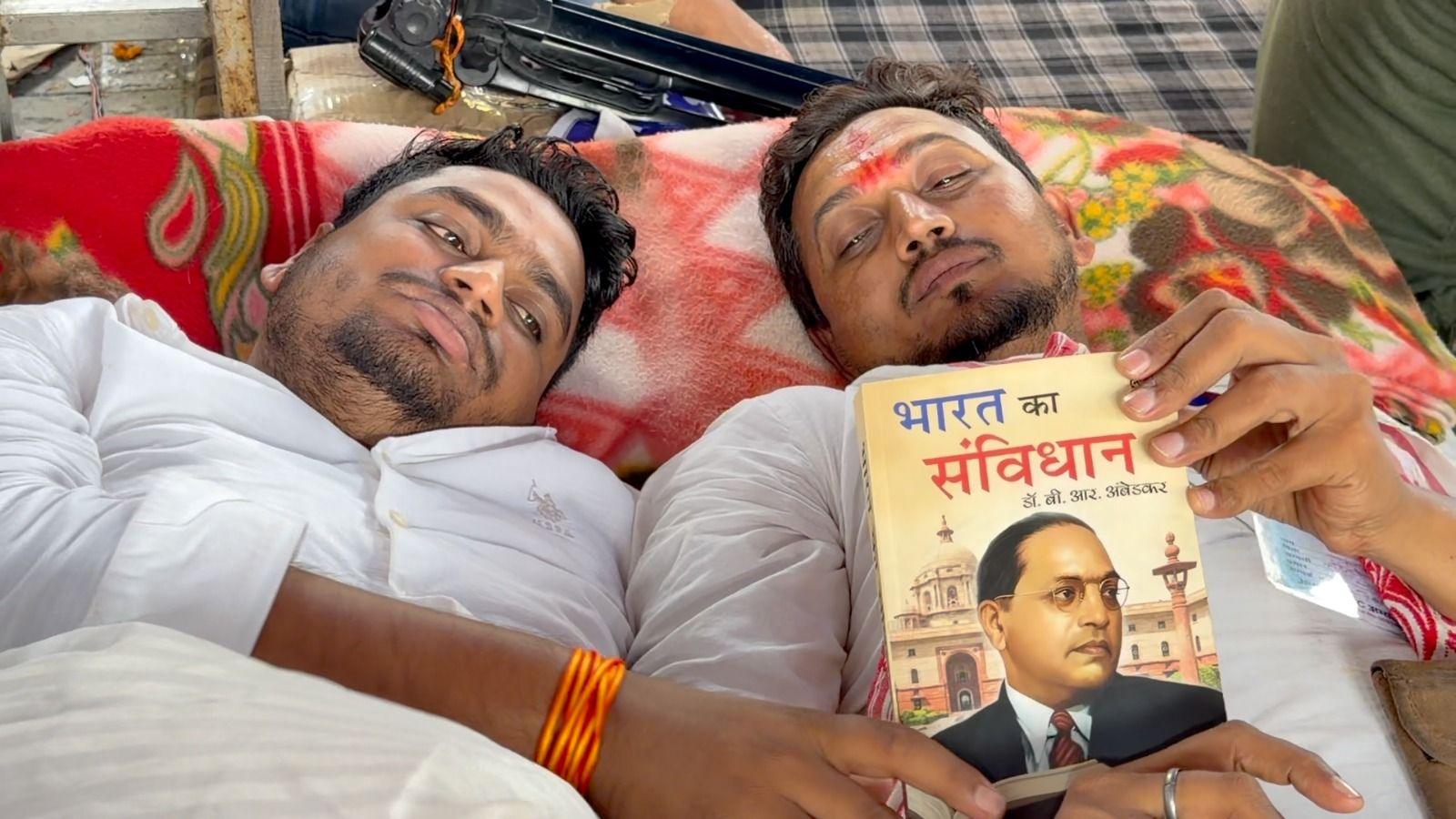
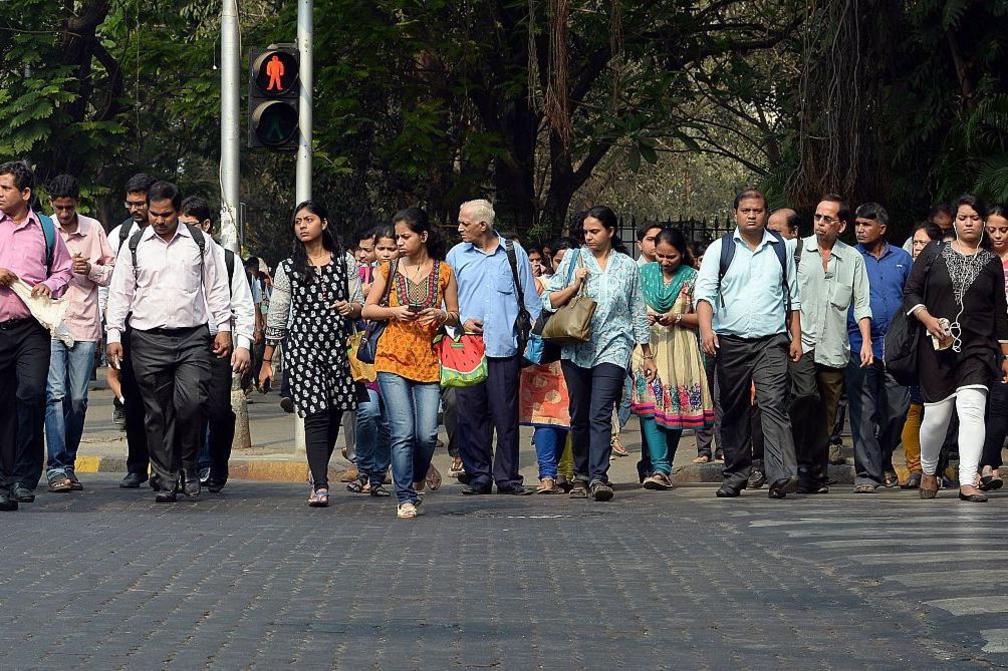
Delhi, India – In early July, tens of thousands of students and young activists flooded the avenues of Delhi, demanding that the education minister step down. The demonstrations are orchestrated by the Cockroach Janta Party (CJP), a group that burst onto the scene as an online satirical meme just months earlier.
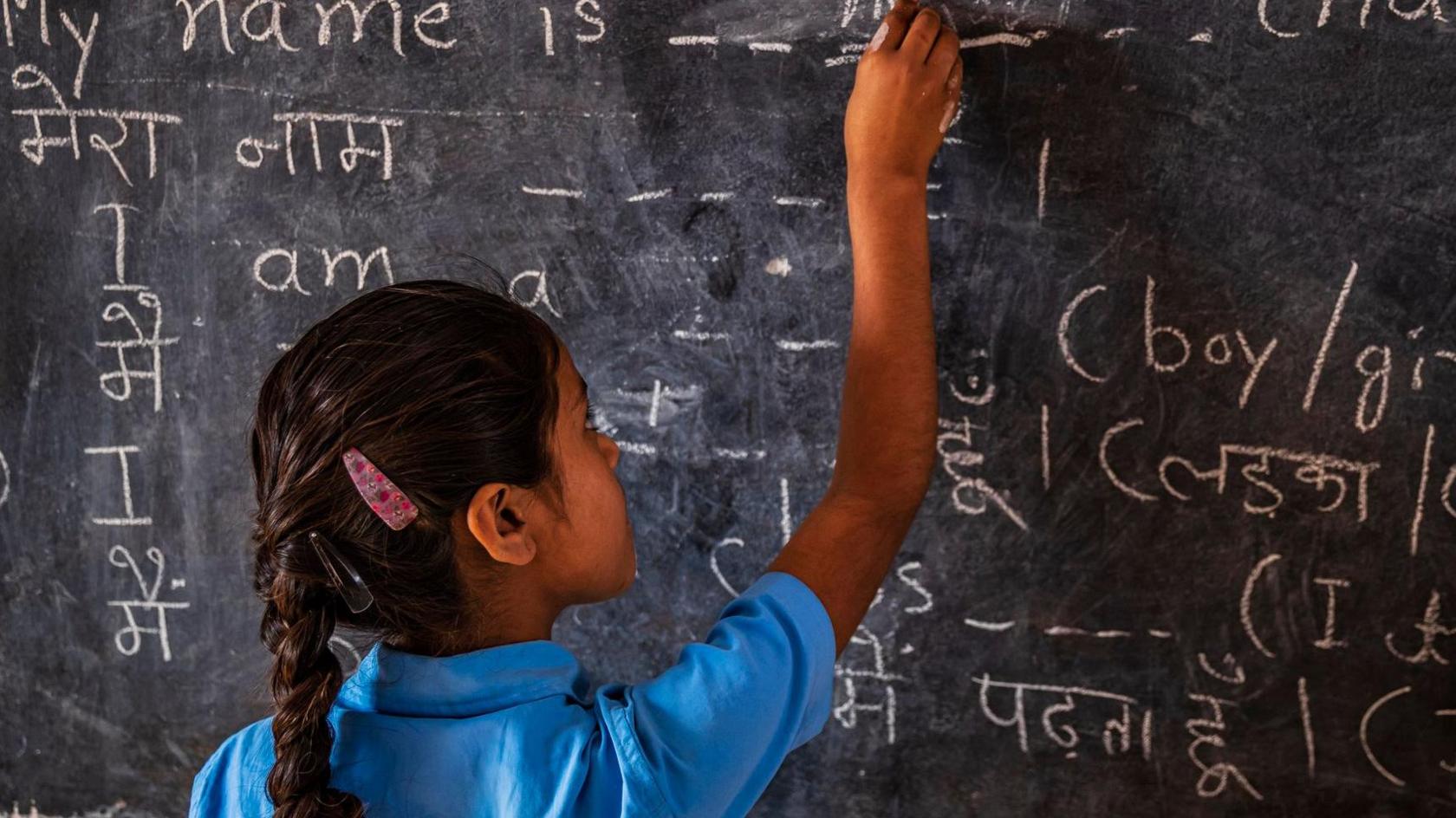
The name and mascot of the movement—cockroach—were chosen deliberately. In popular culture, the cockroach is often seen as a creature that survives almost any hostile environment, quietly thriving when humans assume it is eradicated. The CJP’s use of the symbol signals that a generation of students feels they are merely surviving within an education system they view as broken and unresponsive to their needs.
“The movement began as a joke in a niche online forum,” says BBC journalist Anahita Sachdev, who has been following the protests closely. “It rapidly gained traction as students across the country resonated with the idea that they were continually being pushed to the margins of an education system that they perceive as unfair.”
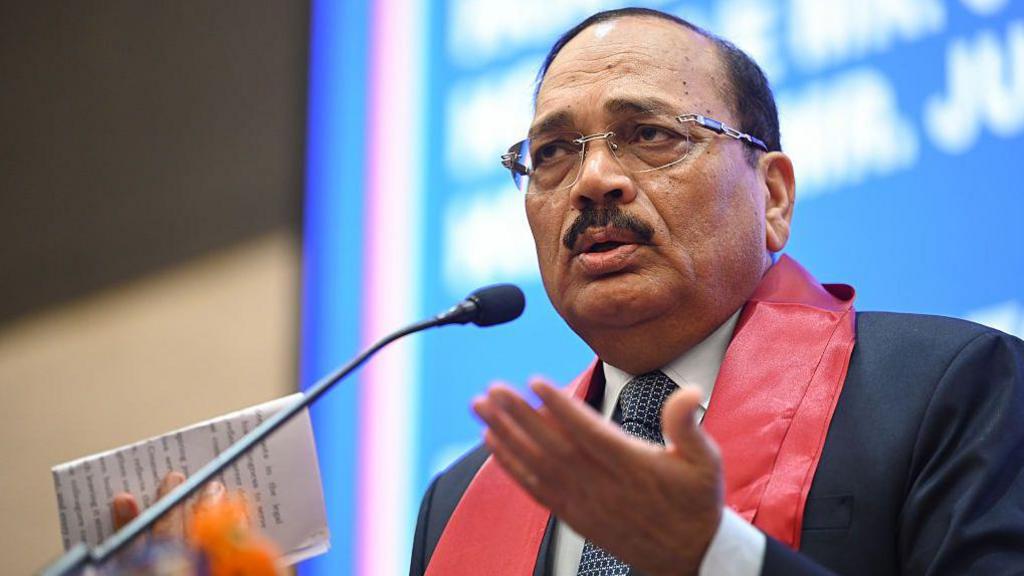
The protests have not been limited to Delhi. Supporters have held rallies in Mumbai, Kolkata, and Bengaluru, all echoing the same demands: a transparent admission process, fair allocation of resources, and modernised curricula that reflects the realities of a digital world. A central demand has been the resignation of the minister, who is blamed for erratic policy shifts and a failure to protect students from systemic abuses.
The CJP’s online presence is a key driver of its momentum. Through memes, live streams and grassroots organising, the movement has cultivated a digital community that extends far beyond any single city. Prime movers of the protest have capitalised on social media’s ability to amplify dissent, ensuring that the moan of thousands is heard by policy makers, state officials and the international press.
The protests are more than a single-day rally. They have become part of a larger debate about India’s education policy. Critics argue that the current minister has overseen a rise in inequity across schools, as well as a whirlwind of admission reforms that inadvertently disadvantage many students. In response, the CJP calls for a new generation of leaders who can bring transparency, accountability and student‑centric reforms to the fore.
Looking ahead, the movement’s fortunes will depend on how the government responds. If the minister’s resignation is accepted, it could bring fresh perspectives. If it is resisted, the CJP’s mobilising power may force even broader conversations about who controls India’s educational future.