In brief
Mahabaleshwar anchors 85% of India’s strawberry output, yet growers must import seedlings from abroad and face heavy rain collapses. Innovative tech – hydroponics, poly‑houses, AI‑driven weather alerts – is transforming the sector. Researchers at a state university and the Bhabha Atomic Research Centre are attempting to breed climate‑resilient native cultivars, while entrepreneurs like Berry Fresh scale year‑round, high‑density farms. The future of strawberry farming in India hinges on technology and local breeding.
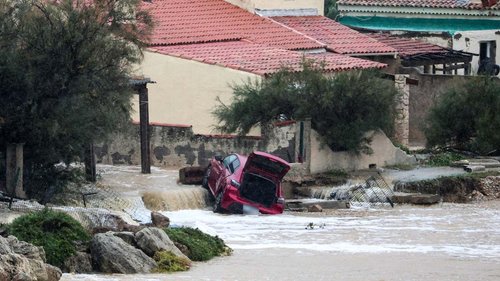
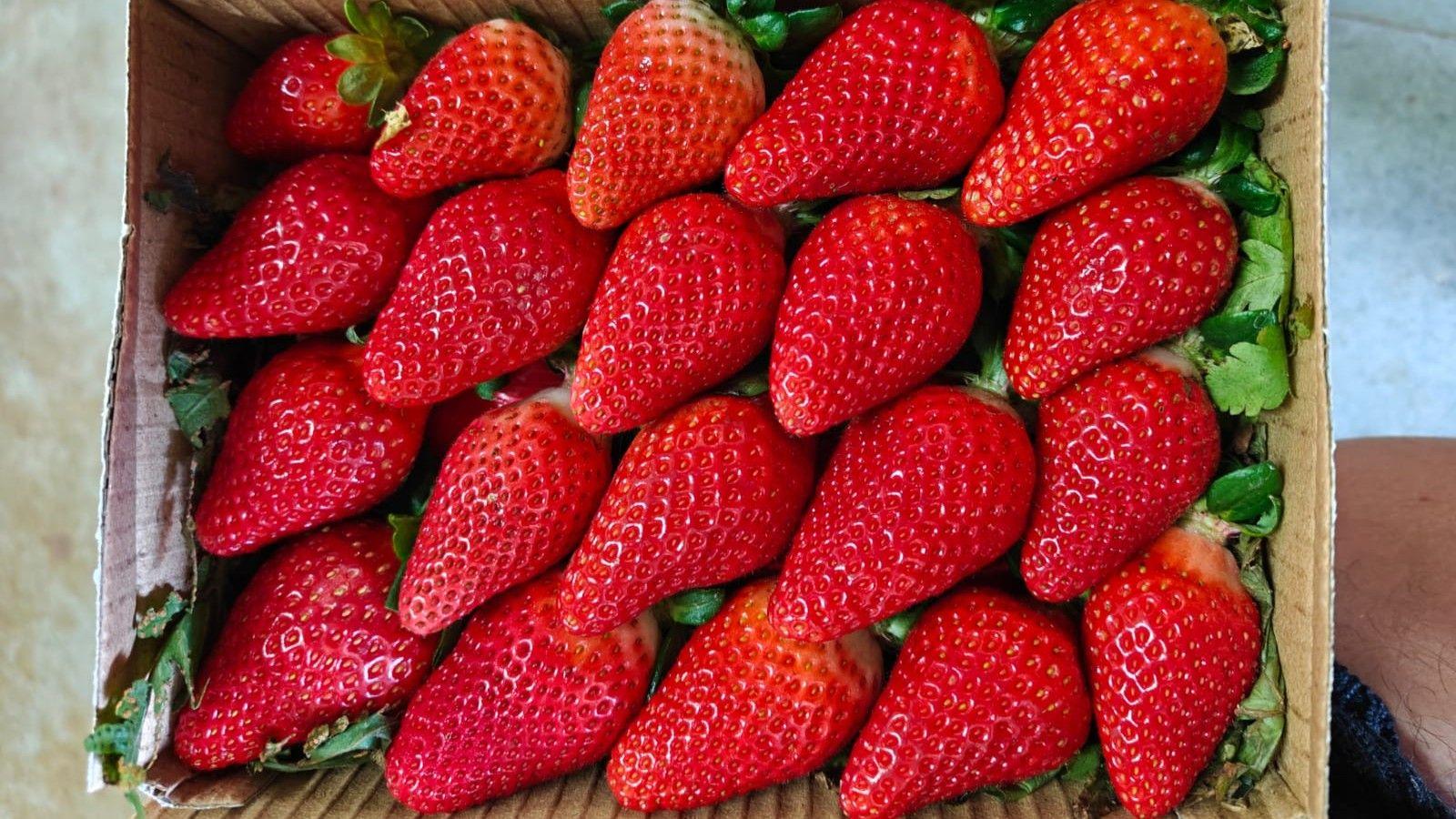
In the high‑altitude hills of Mahabaleshwar, 85% of India’s strawberry crop grows, yet farmers depend on imported seedlings from California, Florida, Italy and Spain. The climate is generous, with a cool growing season from November to March, but heavy rains can wipe out entire harvests, leaving families with large losses.
Barriers to success are not only environmental. Farmers buy every season a set of “mother” plants—often costing $2,500 annually—and must pay for quarantine, greenhouse infrastructure and precise irrigation systems. Large‑scale operations use hydroponics and “gutter” tubes filled with coconut‑peat, coupled with drip‑irrigation and fogging equipment to control micro‑climates.
Despite high profits, the industry still lacks a domestic cultivar. Researchers at Maharashtra’s Mahatma Phule Krishi Vidyapeeth, in partnership with the Bhabha Atomic Research Centre, are using low‑dose gamma irradiation to induce genetic mutations and fast‑track a local, climate‑resilient strawberry that can withstand Indian heatwaves while rivaling foreign varieties in size and texture. Results may take 10–15 years, but interim work includes standardised planting schedules, fertiliser regimes and growth‑regulator protocols tailored to Mahabaleshwar conditions.
Entrepreneurs are also turning to technology. Ketan Yashwant Sodha’s Berry Fresh Agrotech began with conventional open‑field farming but pivoted to hydroponics after 10 years of loss due to erratic rains. Now the company runs a semi‑open polyhouse that can grow strawberries year‑round, using precise water‑management (750 ml per plant a day) and laboratory “blood‑work” to test nutrient uptake. With a trial facility, SOPs and a farm manual in hand, the firm seeks investors to scale to five acres and 200,000 plants.
Meanwhile, Krishan Bhilare’s family‑run FPO uses weather‑monitoring towers equipped with AI to predict rainfall, allowing farmers to optimally time pesticide applications. The FPO is also experimenting with vertical towers that stack five coco‑peat containers per pot, raising density from 25,000 to 125,000 plants per acre—a fivefold increase on the same land.
Hydroponic experiments, AI‑driven weather alerts and poly‑house technologies illustrate a shift toward high‑technology agriculture in India. As climate volatility grows, the blend of local breeding programmes, precision farming and entrepreneurial investment will determine whether India can join the world’s strawberry superpowers.