In brief
The Department of Homeland Security announced a $20 million purchase of high‑voltage shock gloves for ICE officers, with devices capable of delivering up to 380 volts. The gloves will be used by agents in Homeland Security Investigations and Enforcement Removal Operations to deter resistance. Civil‑rights advocates, including the ACLU, warn that the technology could be abused and lacks clear accountability. ICE’s move comes after several fatal shootings by officers and an intensified push to meet arrest and deportation targets under the Trump administration.
US Immigration and Customs Enforcement (ICE) is preparing to arm its officers with a new type of low‑output shock glove that can deliver up to 380 volts of electricity—a figure roughly three times the charge of a standard U.S. power outlet. The Department of Homeland Security (DHS) announced the purchase will cost up to £14.8 million ($20 million) in a note released Monday.
The gloves, known as “Generated Low Output Voltage Emitters” (GLOVE), are activated by a push‑button and can fire up to 30 pulses per second while recording each deployment. The technology is promoted as non‑lethal pain deterrence; it does not create an electrical circuit inside a person.
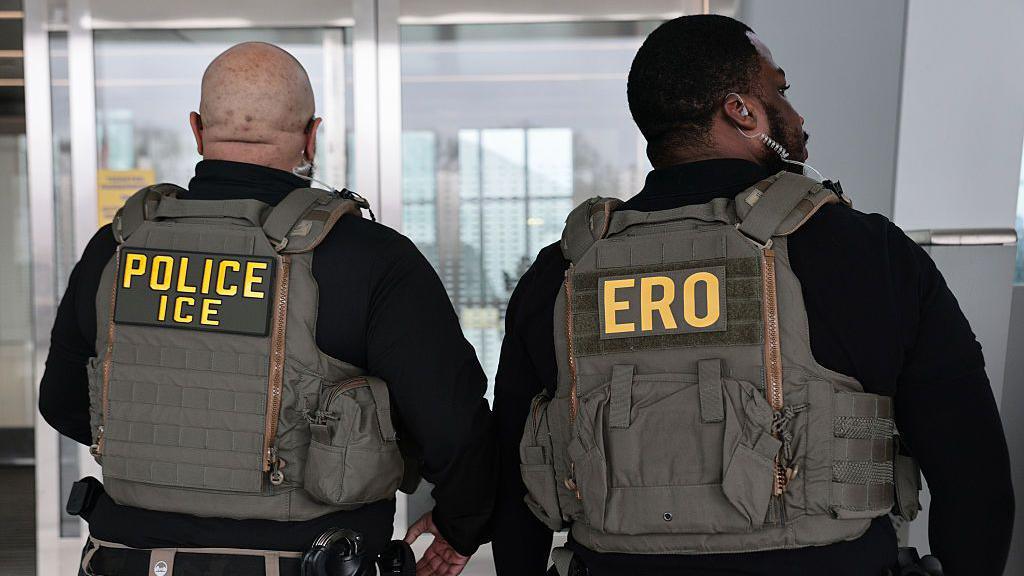
ICE’s spokesperson said the devices will mainly be deployed by Homeland Security Investigations (HSI) agents who target transnational crime groups, and by Enforcement Removal Operations (ERO) agents tasked with arresting and deporting individuals who break U.S. immigration law. Compliant Technologies LLC, the manufacturer, declined to comment on the sale.
Civil‑rights advocates—including the American Civil Liberties Union—have reacted with alarm, citing potential abuses and a lack of accountability. ACLU deputy director Jenn Rolnick‑Borchetta warned that “ICE may be equipped with a device that allows them to deliver an electric shock with their hands by pushing a small button, in a move that might be imperceptible to those watching.”
The debate comes amid a series of fatal shootings by ICE officers, such as the killing of Lorenzo Salgado Araujo in Texas and Johan Sebastián Durán Guerrero in Maine. Critics argue the new gloves could aggravate a pattern of excessive force and undermine public trust in federal law enforcement.
Safety guidelines from the manufacturer warn against use on elderly people, children, pregnant women, and severely handicapped individuals, and recommend an additional officer be present to restrain a subject during deployment.
The DHS plan indicates that a no‑bid purchase contract could be issued as early as Friday, but no official contract has yet been signed or publicized. The move underscores the tension between federal enforcement mandates and civil‑rights protections in a highly polarized immigration landscape.
Learn more about ICE and its use of force here.