In brief
The Hungarian parliament voted to amend its 2021 child‑protection law that barred LGBTQ content, dismantling a signature Orbán policy. The move, announced by the new Prime Minister Péter Magyar, follows the release of €4.2 billion from the EU that had been frozen under the previous administration. Activists welcomed the decision but called for more reforms, such as full marriage equality and rights for transgender people to change legal names. Opposition parties warned against any promotion of LGBTQ content in schools and media, keeping political tensions high. The reversal marks a significant step toward aligning Hungary with EU human‑rights norms.
Hungary Repels Orbán’s Anti‑LGBTQ Law
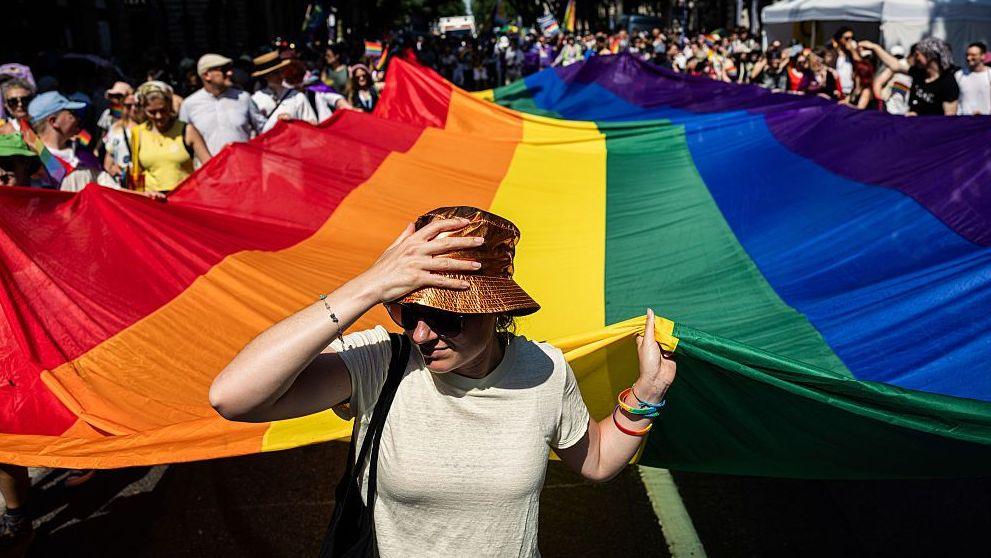
On Tuesday, Parliament voted to amend the 2021 child‑protection law that had prohibited any portrayal of homosexuality or transgender identity.
The change comes after the country’s new ruling party, led by Prime Minister Péter Magyar, has been dismantling Fidesz’s controversial legislation since its 2026 election victory.
Minutes after the vote, Budapest announced that the European Union had released €4.2 billion in funds that had been frozen during the previous administration.
Activists hailed the move as a victory for equality but argued that further reforms are needed, including full adoption of same‑sex marriage, adoption rights for LGBT couples and the right for transgender people to change their legal names.
While the new government has removed the most punitive clauses, opposition parties, notably Fidesz and the Christian Democrats, remain wary, warning against any “promotion of LGBTQ content” in schools and media.
Hungarian courts have already ruled that the 2021 law breached EU values, and the government’s reversal could strengthen democracy and restore its standing within Europe.