In brief
A sudden wildfire in Agios Vasileios in Greece trapped around 500 tourists and forced a mass evacuation by sea. Strong winds flared the flames, covering farmland and neighbouring villages. Evacuations continue on Crete, where thousands have been displaced, while similar blazes burn across Portugal, Spain and Turkey. Climate‑driven heatwaves are turning Europe into a tinderbox, raising fears of more outbreaks in the coming days. Emergency forces are fighting a week‑long blaze that has consumed thousands of hectares of Greek land.
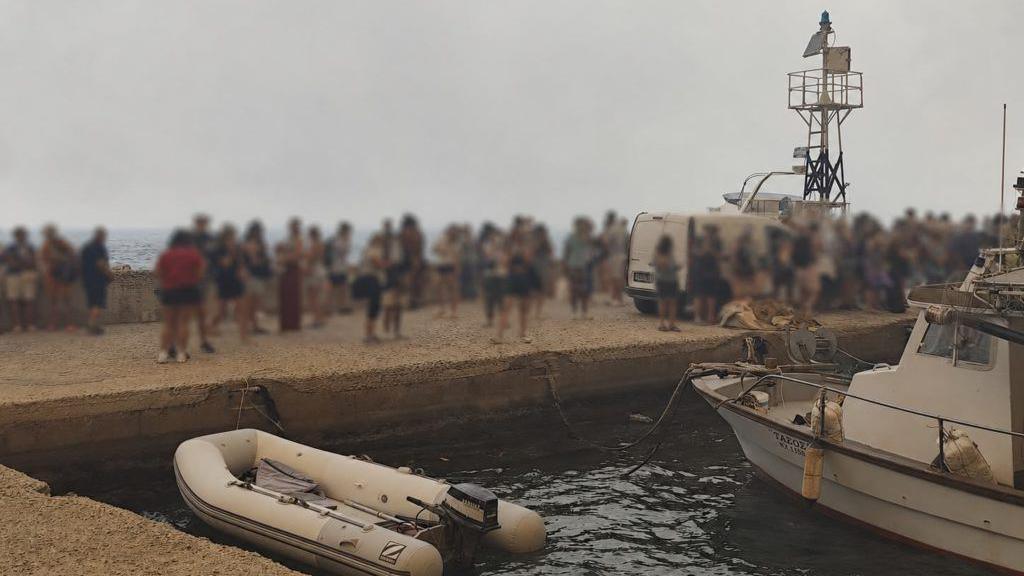
A sudden blaze erupted along the shore of Agios Vasileios in central Greece Friday, trapping about 500 mainly tourists who had been told to move inland before the fire flared. The strong Mediterranean winds turned the flames into a spreading horror, cutting off escape routes and forcing emergency crews to evacuate desperate residents by boats.
Authoritative Greek media report that more than 200 people have already been removed from the town and a further 100 are scheduled to be ferried out in the coming hours, as officials scrape together a plan to secure the remaining trapped civilians.
Meanwhile, a separate fire has ignited along the coast near Xironomi and continues to scorch farmland before engulfing the rural town. A larger, long‑running blaze has been raging on the island of Crete this week, prompting the temporary evacuation of more than 8,000 people and leaving firefighters battling hot spots across thousands of hectares of land.
Beyond Greece, the EU has recorded more than 200,000 hectares destroyed in Spain alone, with significant damage also reported in Portugal where a 15,000‑hectare blaze near Valpaços has been fighting for days. The fiery conditions are a direct outcome of consecutive heatwaves that have first encouraged lush growth during winter, only to dry that vegetation in successive hot spells, providing abundant fuel for the fires.
Spurred by Greece’s experience, officials in Turkey point to four persistent fires along its Mediterranean coastline, including near Antalya, with 206 incidents logged since Wednesday. Emergency agencies warn of continued high risk of ignition or rekindling across much of the region until at least Sunday.
With the climate crisis turning the Mediterranean basin into a tinderbox, the Greek wildfires underscore the urgent need for cross‑border cooperation, better fire‑fighting resources and stricter prevention measures to safeguard lives, property and the fragile coastal ecosystems.