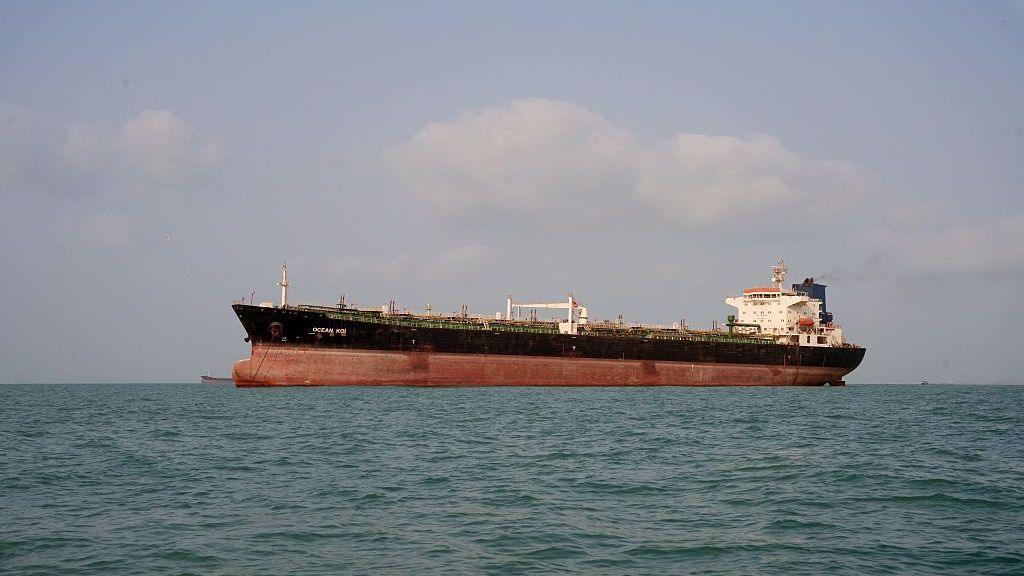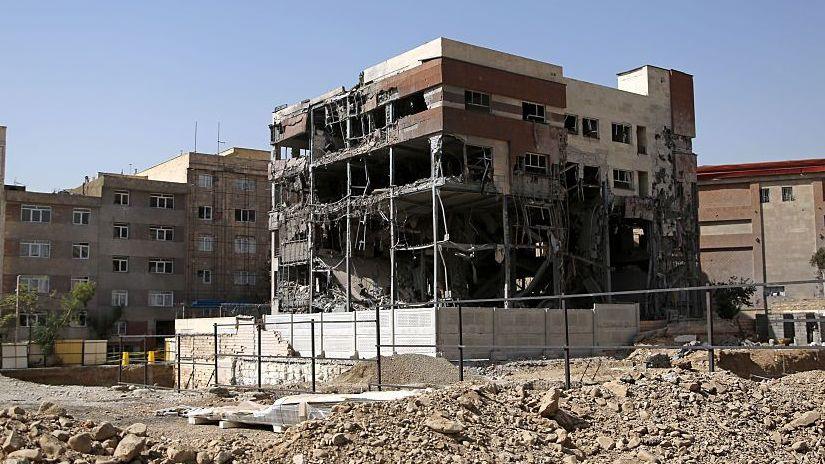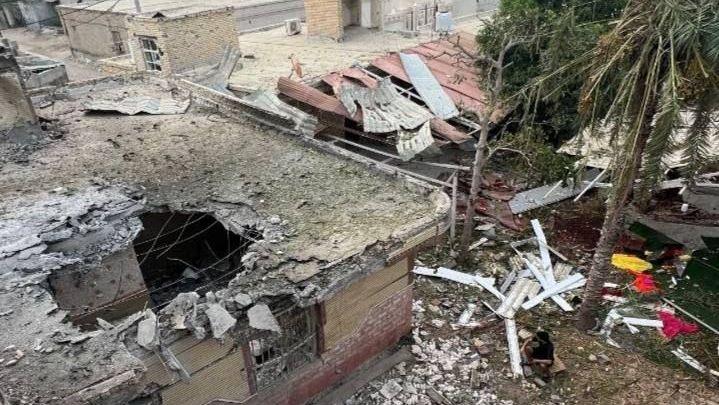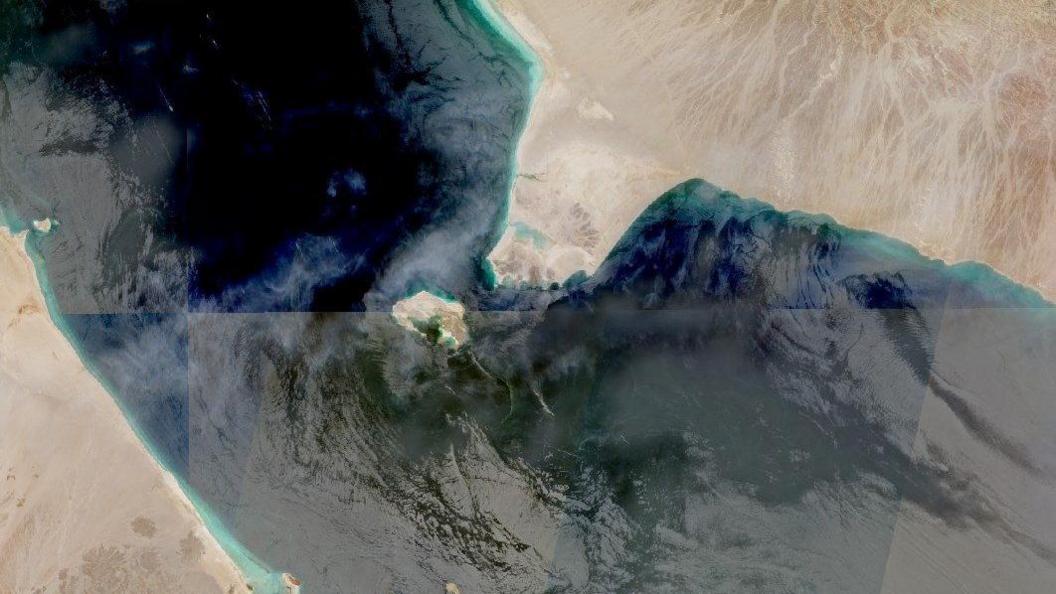
The Houthis of Yemen say they hit two Saudi Arabian oil tankers in the Red Sea while the United States has launched a 12th consecutive night of strikes against Iranian military sites.
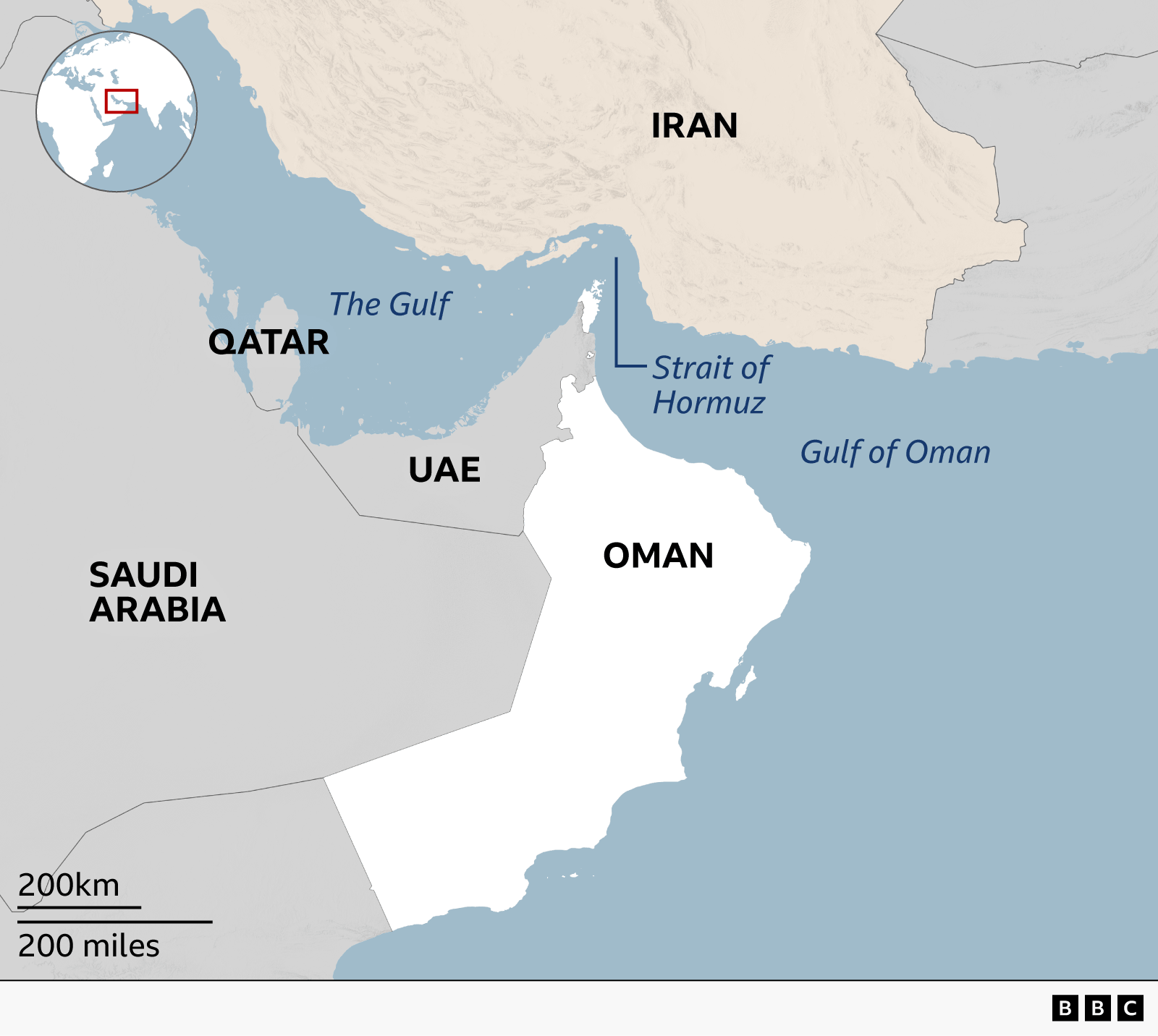
Iranian state media reported deaths in the U.S. air campaign and a tanker fire in a mined zone of the Strait of Hormuz. In response, U.S. Central Command said its strikes targeted Iran’s maritime weapons storage, missile and drone sites, and coastal surveillance installations.
The rebels claim the attacks targeted the Encelia and Layla for violating a newly imposed maritime embargo, a strategy they say will be sustained under a “siege for a siege” policy. Despite conflicting reports, the U.K.-based Vanguard maritime group confirms the Encelia sustained damage.
The Red Sea has emerged as the critical conduit for Saudi oil exports during the U.S.–Israeli–Iranian escalation, a corridor now threatened by Houthi‑driven hostilities. The Iranian Revolutionary Guard said the Strait of Hormuz was “completely closed” after an explosion, halting three tankers. Ten vessels, according to Houthi spokesperson Yahya Saree, were forced to retreat after protests of the embargo.
Both the U.S. and Iran had earlier signed a Memorandum of Understanding in June to halt operations and reopen the Strait of Hormuz, but the ceasefire collapsed after Iranian attacks and subsequent U.S. retaliatory strikes.
The conflict’s potential to disrupt global shipping lanes carries geopolitical and economic implications. Oil prices have wavered amid fears that continued clashes could choke supply routes that carry a quarter of the world’s petroleum.