
In brief
After months of negotiations, Hamas has for the first time accepted the Board of Peace plan to disarm its heavy weaponry under Palestinian supervision. The agreement comes with a new leadership that is prepared to take decisive political action amid dire humanitarian conditions. While the deal offers a potential bridge to a broader peace process, doubts persist about its implementation and the public’s confidence in new accords. The acceptance marks a milestone, but only a comprehensive execution can lift Gaza’s tensions.
Hamas has agreed to an Israel-Biden Plan to disarm its remaining heavy weapons in Gaza. The move, following months of protracted talks, marks the first time the group has accepted the Board of Peace’s framework, which calls for a systematic inventorying and storage of its arsenals under Palestinian oversight.
New Gaza leadership, Khalil al-Hayya at its helm, appeared ready to make the most consequential political decision the organization has ever taken, motivated by the severe humanitarian crises that affect more than two million Palestinians.
While the disarmament plan removes a key obstacle to a U.S.-backed ceasefire, Hamas officials insist on keeping the wording “inventorying and storing weapons” rather than handing them over to Israel. The internal debate illustrates the group’s cautious approach to any unilateral concessions.
Whether the agreement will be fully implemented, or whether both sides will honor their commitments, remains uncertain. Yet a functioning disarmament process could be the first credible step toward ending nearly three years of conflict and opening a broader political dialogue.
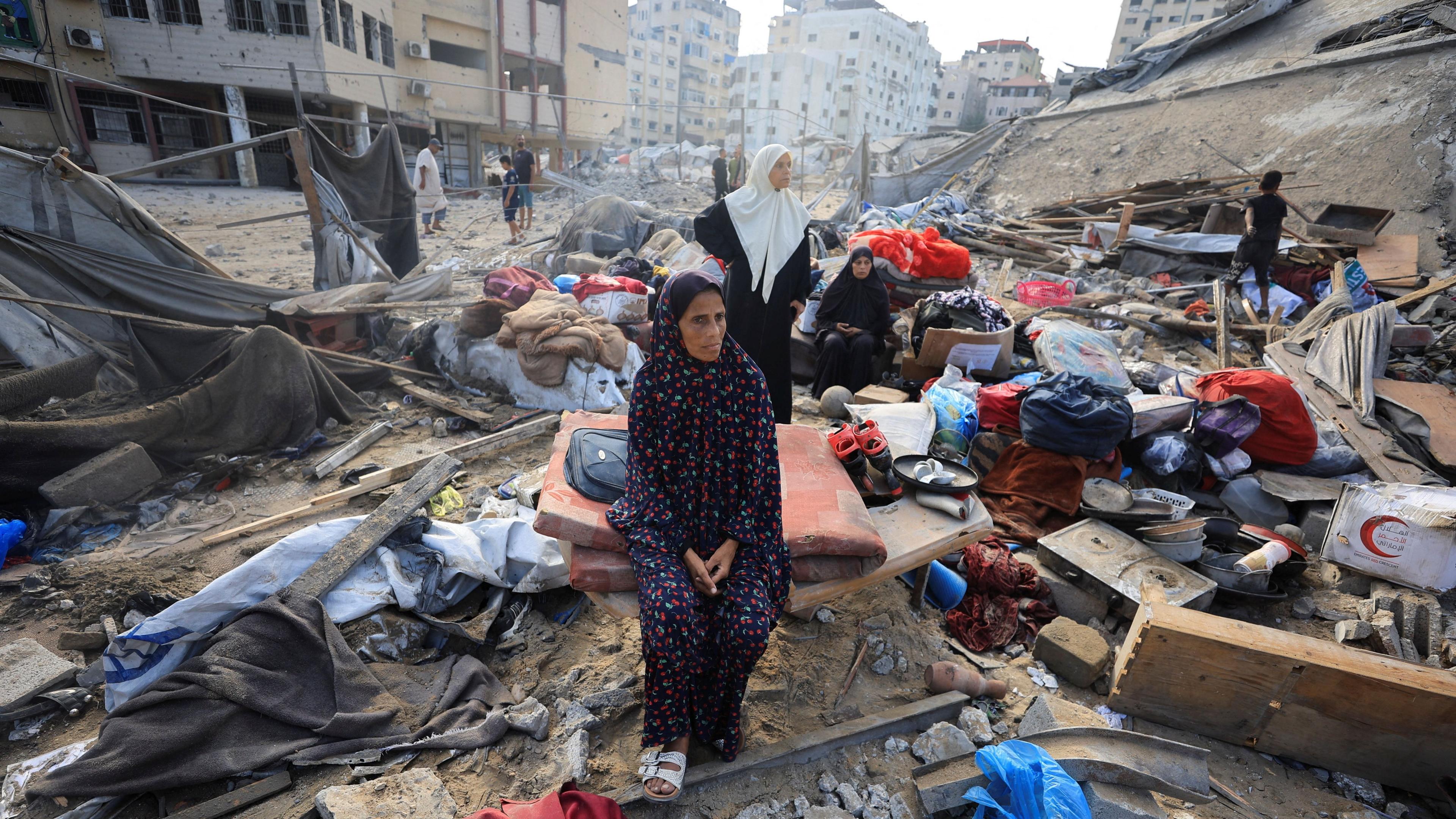
In Gaza, however, the announcement fell on skeptical ears. After repeated failed ceasefires and broken promises, many residents are less interested in negotiation details than in concrete relief, the return of displaced families, and a lasting end to the fighting.

