In the wake of violent anti‑immigrant rallies across Accra, the Ghanaian government has decided to suspend the August visit of South African President Cyril Ramaphosa. The move follows the forced return of more than 900 nationals to Ghana and the heightened anxiety that the President’s presence might ignite mass protests.
Planned in early August, the trip was originally expected to ease diplomatic frictions between the two African neighbours. Ghanaian spokesman Felix Kwakye Ofosu explained that a formal communication was sent to the South African authorities urging a postponement amid the “current climate of xenophobia.”
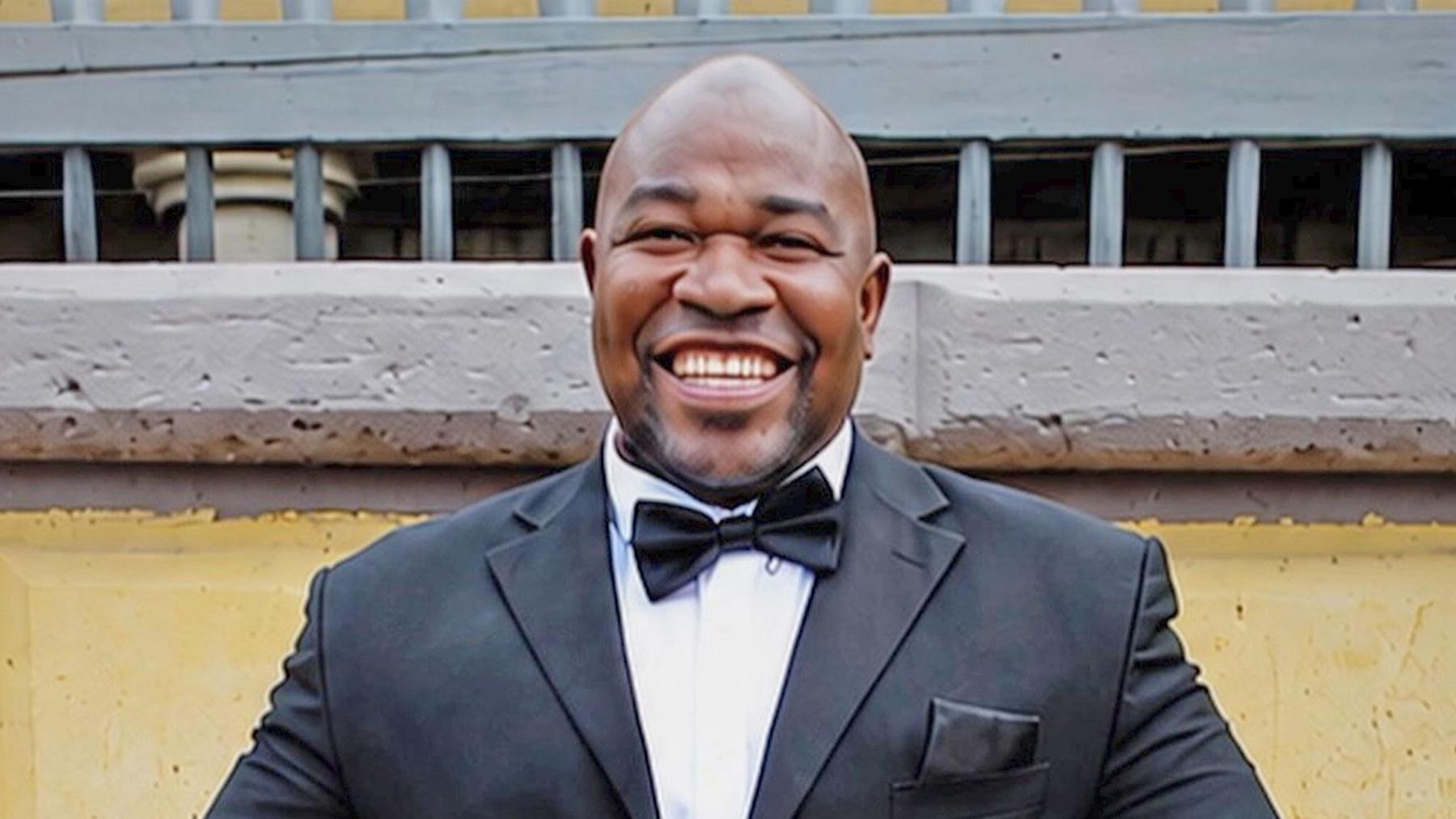
The controversy intensified after a viral clip showed Ghanaian young man Emmanuel Asamoah being told to “go fix his country.” Reports surfaced that he was killed during anti‑immigration protests in Cape Town on 30 June, a claim that South African officials denied, stating it was a single incident involving a 35‑year‑old national unrelated to the protests.
Presidential spokesman Vincent Magwenya countered by labeling the visit not a state ceremony but a “bilateral meeting” and reaffirmed Pretoria’s commitment to “deepening cooperation” under the African Agenda. He also promised continued diplomatic engagement to select a future, mutually convenient date.
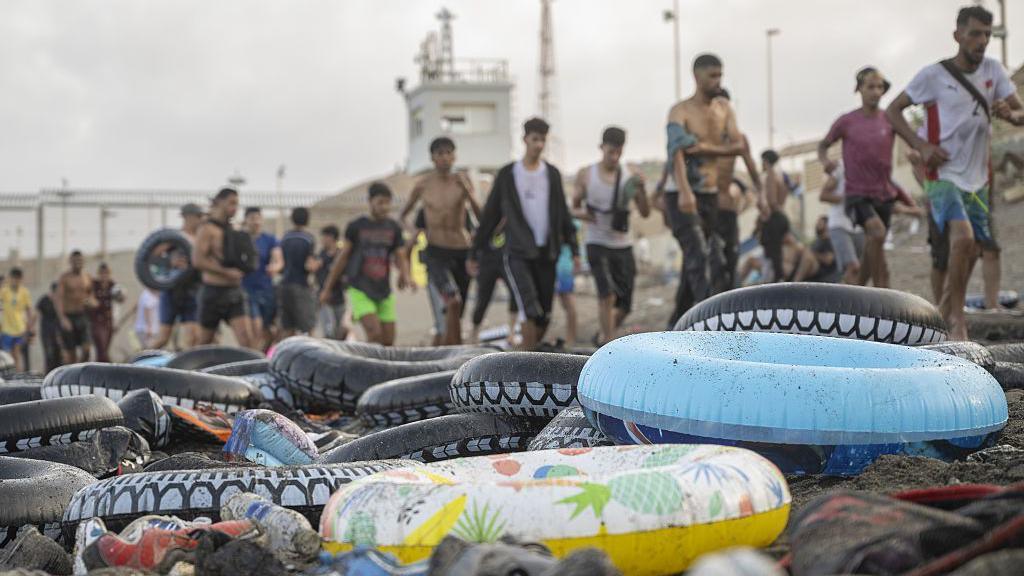
Beyond Ghana, countries such as Nigeria, Malawi and Kenya have repatriated their nationals from South Africa after persistent protests, with about 25,000 already flown home. The African Union, however, has yet to produce conclusive evidence on the residency status of those citizens – a key point of contention in the bilateral dispute.
The situation risks isolating South Africa politically, especially as it faces criticism for failing to curb irregular migration and xenophobic violence, which may tarnish both its democratic legacy and its standing in the continent’s free‑trade agenda. Analysts warn that urgent action is required to prevent further diplomatic fallout and to protect the rights of Africans living abroad.