Germany's Health Minister Resigns Over Surrogacy Controversy
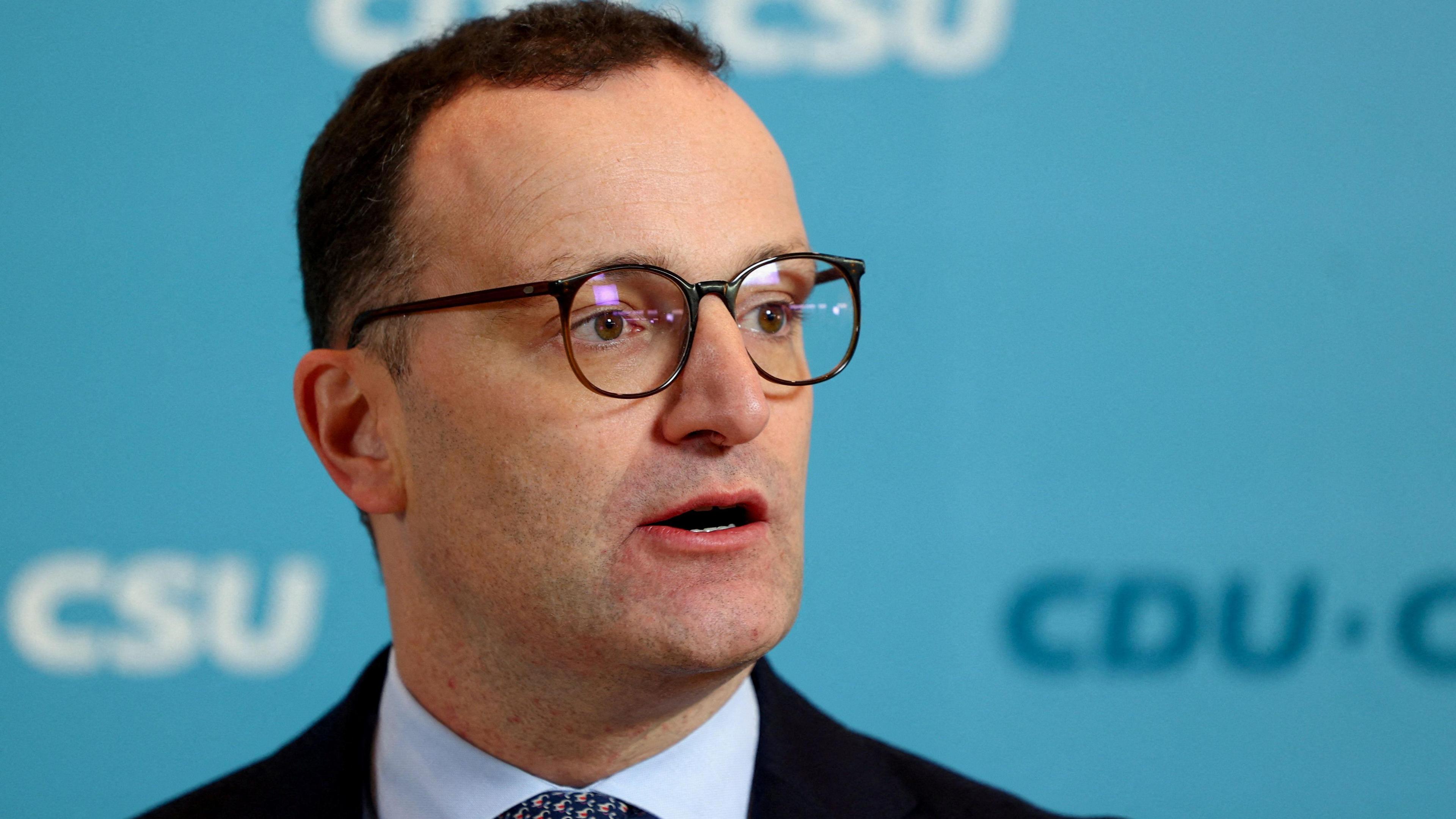
German centre‑right politician Jens Spahn announced his resignation as parliamentary group leader of the ruling coalition on Saturday, after the revelation that he used a surrogate mother in the United States to have a child with his husband. Spahn, 46, had already announced earlier this week that he and partner Daniel Funke had become parents, a development that has cheered some, scandalized others, and has raised accusations of hypocrisy, as the practice of surrogacy is outlawed within Germany.
Spahn’s choice came under fire from members of his own Christian Democrat party (CDU) and opponents alike, drawing attention to the country’s strict 1990 Embryo Protection Act, which prohibits surrogacy with a possible punishment of up to three years in prison or a fine. While the law forbids the actual practice, it does not preclude Germany’s citizens from raising children born via overseas surrogacy arrangements.
In a statement, the former health minister said, “I have realised that my personal happiness – founding a family together with my husband and becoming a father – is not compatible with my political office.” The move was hailed by Perennial CDU chiefs, including Chancellor Friedrich Merz, who described the resignation as “right” and “inevitable”. Merz tweeted, “Credibility is the highest asset in politics,” and affirmed that he would begin selecting a successor.
Spahn’s critics highlight a career-long stance against commercial surrogacy, notably his 2015 declaration that “as a gay man and a Christian I find it personally very hard to warm to the idea of a rented womb.” Those who call for his resignation argue that it is a stark example of a politician acting contrary to legal and party positions in private life.
The CDU’s parliamentary group can expect an interim leader from the Christian Social Union. Current figureheads Alexander Hoffmann and others have expressed respect for Spahn’s decision but emphasize that the party must maintain its credibility.
The resignation underscores the broader European debate on surrogacy. France, Spain, and Italy share similar bans, though France recently ruled that children born to a surrogate abroad should be legally recognised as intended parents’ children, while Italy has tightened restrictions in 2024.
This development invites a critical look at Germany’s stance on reproductive rights, personal autonomy, and the intersection of law and politics. Our ongoing coverage will keep you updated on the parties’ response, succession plans, and the legal ramifications of surrogacy in Germany.