German Town Bans 'Stumbling Stone' Memorials, Sparking Controversy

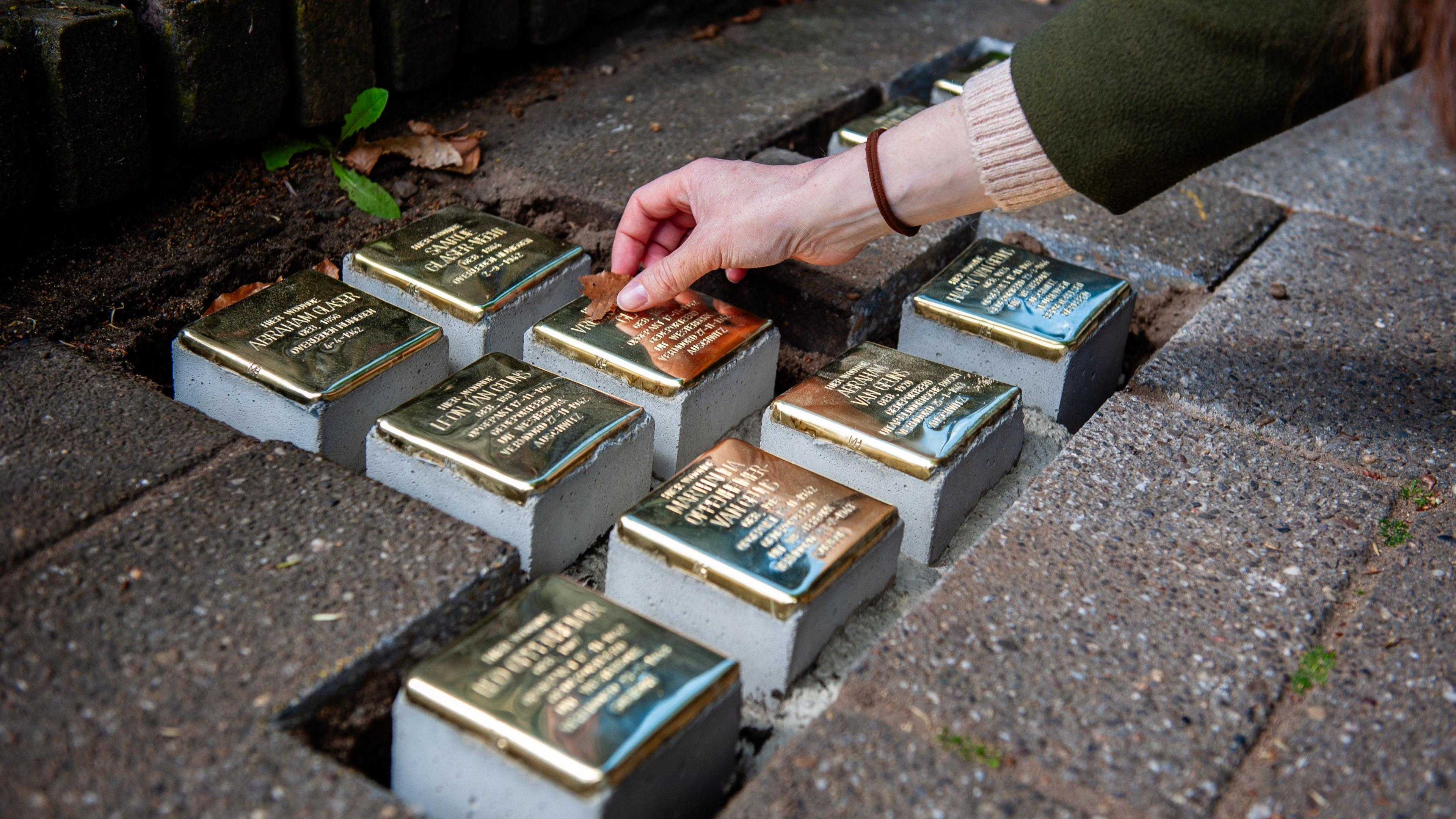
Heidenau, a small municipality close to Dresden in Saxony, has taken a controversial step by voting to ban the town’s traditional Stolpersteine – small brass plaques slipped into the pavement in front of former Jewish homes to remind passersby of the victims of the Holocaust.
The decision, approved by a coalition of AfD and CDU councillors, was criticised as a “scandal” by Education Minister Karin Prien, who said eliminating the stones from public space reduces lives to death and ties Jewish memory to a cemetery rather than everyday streets.
Depuis the 1990s, Stolpersteine have been erected across Europe, with each stone bearing a victim’s name and date of death. They are intended to make the reader literally stumble upon (and therefore remember) the story of local Jews whose lives were shattered by Nazi persecution.
The Heidenau motion states that many local residents find the public placement of the stones inappropriate, and the council has proposed shifting commemorations to the city's Nordfriedhof cemetery so that people do not physically step onto the memorial elements.
However, the ban has attracted widespread criticism. Holocaust survivor and Jewish community president Charlotte Knobloch called the action “completely the wrong approach,” arguing that decentralised remembrance – visible throughout public spaces – is essential for fostering a genuine culture of memory. She added that the ban appears to be a manoeuvre to support the extremist‑leaning AfD.
Artist Gunter Demnig – the creator of the Stolpersteine project – remarked that the rise of the AfD in state elections had made such proposals inevitable. He noted that the far‑right gains in Saxony‑Anhalt and Mecklenburg‑Vorpommern have increased pressure on municipalities to reevaluate how they commemorate the past.
The ban highlights the broader political struggle over memory in Germany, with right‑wing groups pushing for a cleaner townscape while others insist on preserving painful reminders of the nation’s darkest chapter. Whether Heidenau’s decision will be overturned or embolden similar efforts in other towns remains to be seen.