German Politician Spahn Resigns Over Surrogacy Scandal
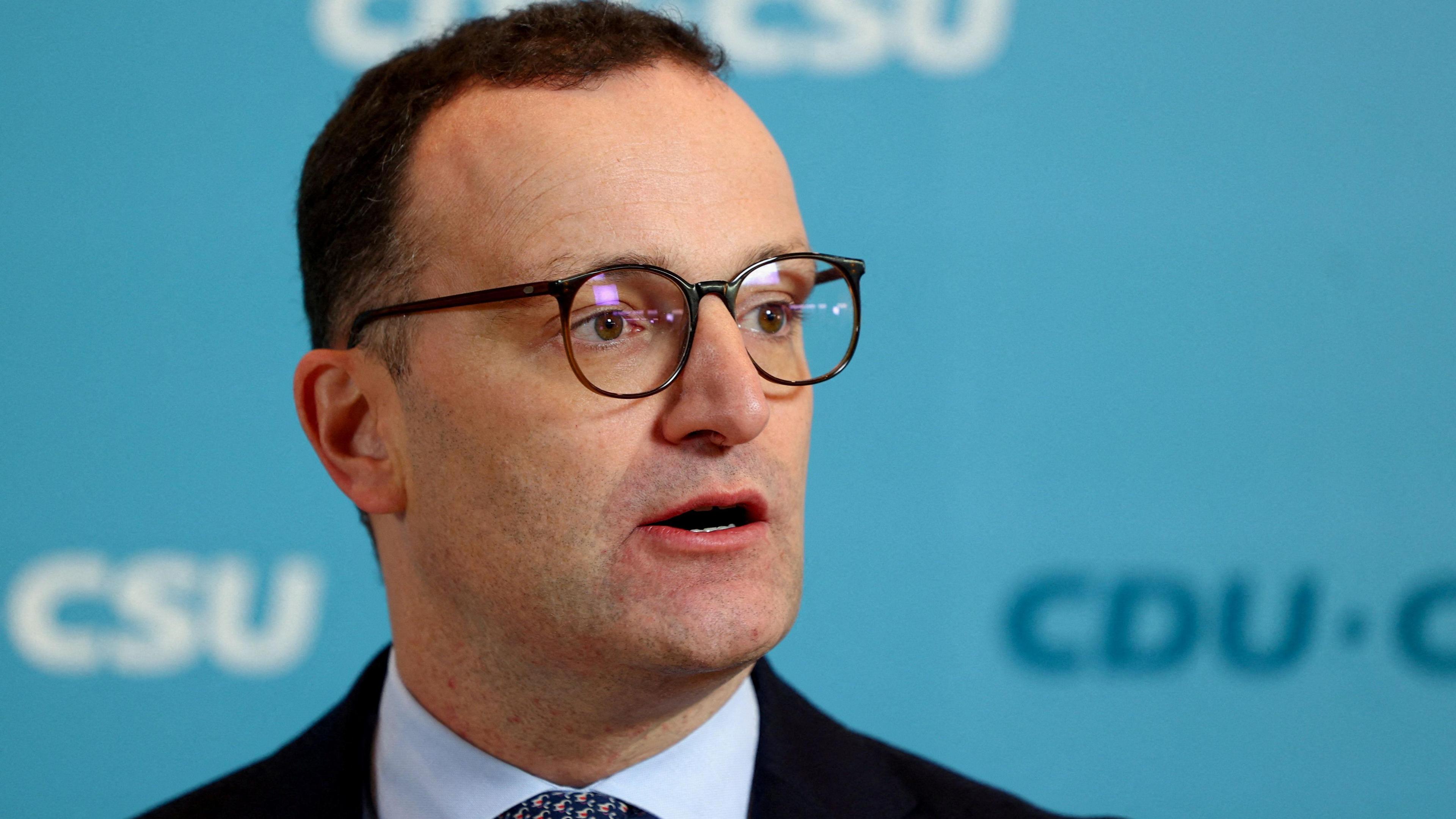
Jens Spahn, a prominent centre‑right figure in the Christian Democratic Union (CDU), has stepped down as parliamentary group leader following a bombshell revelation that he and his husband used a surrogate mother in the United States to have a child. The controversy stems from Germany’s strict ban on surrogacy – a policy Spahn himself once supported – yet allowing children born abroad under surrogacy arrangements.
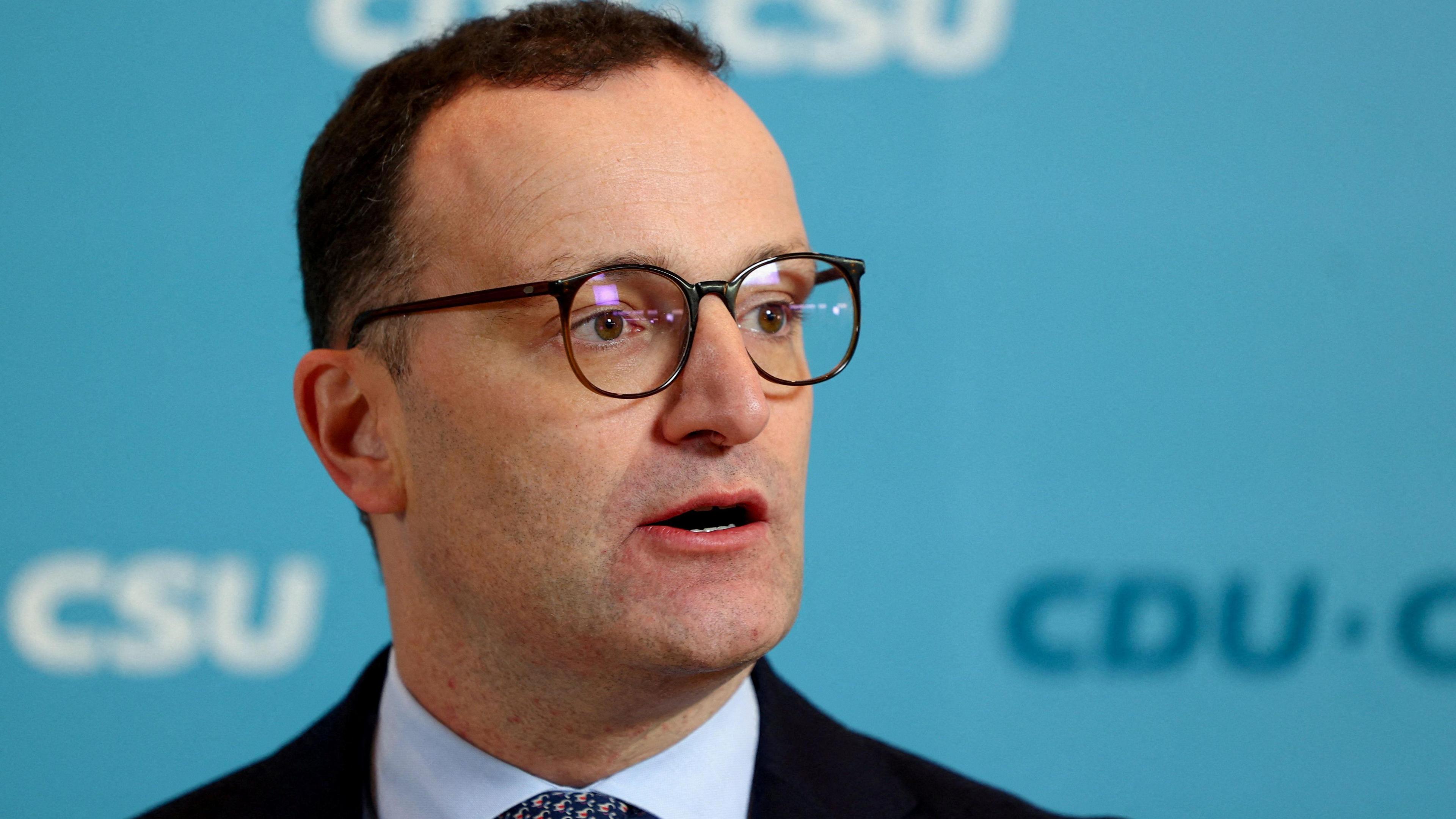
Spahn wrote that his personal pursuit of family life was “incompatible with my political office”, choosing to resign rather than face continued criticism. Chancellor Friedrich Merz praised the decision as “right” and indicated that a new parliamentary leader would be appointed shortly. The incident comes at a delicate time for the CDU, with opinion polls showing a decline in support for Merz’s leadership.
Opponents argue that Spahn’s actions violate the very restrictions imposed on childless couples in Germany, raising questions about hypocrisy in a country where surrogacy is punishable by up to three years in prison. The debate aligns with broader European discussions, as France, Spain and Italy also maintain strict surrogacy bans. In response, the CDU reaffirmed its ban in a recent resolution and highlighted Spahn’s earlier opposition to liberalising the policy.
The resignation could reshape political dynamics ahead of state elections, with some observers suggesting that it offers a chance for Chancellor Merz to consolidate his leadership. Nevertheless, it also showcases the intensified scrutiny politicians face when personal choices clash with public policy.