Gen Z Remember 9/11: Learning Years After the Tragedy
While the older generations remember the emergency rooms, fire trucks streaking the skyline, and the concrete towers toppling, many Gen Z students first heard about the attacks as children in school classes or from videos on desks. They never experienced terror as the day unfolded, but the stories their families shared became the basis for their recollections.
Avery Black, a 20‑year‑old journalism student, remembers asking her mother about the event after seeing a clip in her elementary‑school classroom. Her mother described the frantic evacuation, the firefighters who did not return, and the fall of a man upside‑down from the North Tower. The image of the falling man remains the most potent visual in Black’s mind.
Annie Erickson, 26, grew up in North Carolina and learned about 9/11 from her mother’s story: a neighbour lost in the tower, her own aunt’s grief, and a sudden realization that the world had shifted. She said that her first real engagement came when she “goes back and reads the news footage” at age 13, fully recognizing the scale of the tragedy.
The United States has no nationwide mandate for 9/11 instruction. According to a recent AP study, 25 states require or expect public schools to teach the events, while 13 keep it optional. Many states that do mandate coverage lack a specific curriculum, leaving room for varying depth of content.
Professor David Schanzer of Duke University notes that “learning about 9/11 remains crucial for younger generations.” He says understanding the day’s causes, the U.S. response, and its long‑term effects is essential for decoding the global upheavals of the past two decades, from the Great Recession to the COVID‑19 pandemic.
Even among adults, some Gen Zers look back at 9/11 with a mixture of detachment and curiosity, often joking or deflecting the topic to cope. Yet many recall that even knowing only a few facts—such as a teacher’s mention of President Bush’s first view—was insufficient. They turn to independent research to bridge the gap between anecdotal memory and factual knowledge.
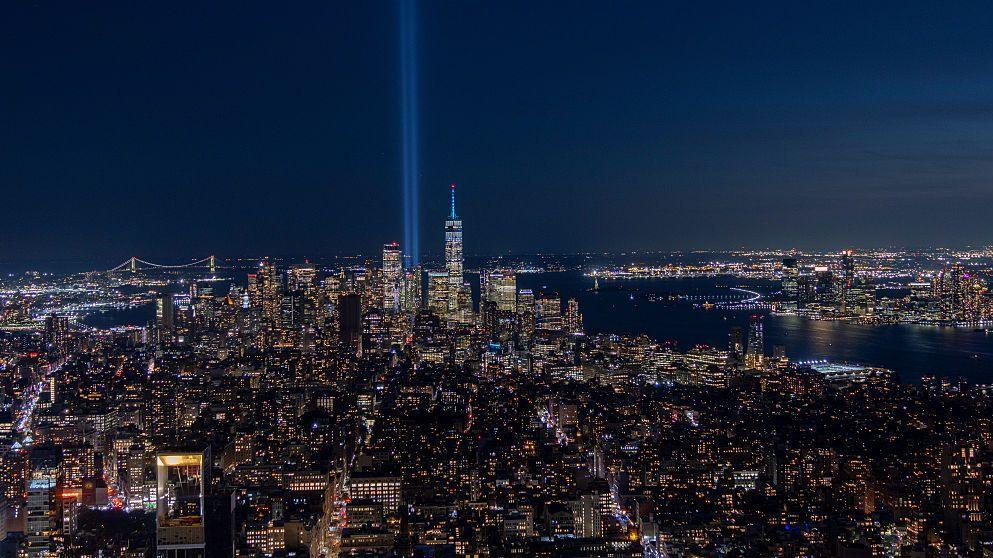
The 25th anniversary of 9/11 is a reminder that the tragedy’s consequences reverberate across generations, and that the remembrance of younger adults relies on the narratives supplied by parents, educators, and community memory. Their stories not only help shape personal narratives but also inform the broader national discourse about terrorism, security, and the future of American society.