
In brief
This article details the experiences of women in Iran's notorious Evin prison, where they endure torture and isolation while continuing their fight for women's rights after the protests inspired by Mahsa Amini's death. Women like Nasim and Rezvaneh seek solace in one another amid the harsh conditions as they navigate the complex reality of imprisonment, activism, and unexpected moments of hope.
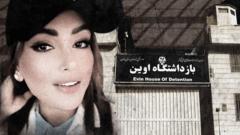
Crouched alone in a dismal, windowless cell, Nasim listened to the haunting sounds of other prisoners suffering under brutality. The guard's taunts—“Get ready, you're next”—haunted her as she endured routine interrogations that stretched from 10 to 12 hours. For the 36-year-old hairdresser, these harrowing experiences marked her entry into Iran's infamous Evin prison. Cell dimensions were minimal; with no bed or toilet, she was imprisoned for four agonizing months in solitary confinement, isolated from the world and fearing for her life.Across the prison walls, under the shadow of Iran's crackdown on protests ignited by the tragic death of 22-year-old Mahsa Amini, stories have emerged detailing the everyday realities for Nasim and a plethora of women currently detained. Most of them were arrested for participating in the "Woman, Life, Freedom" demonstrations, protesting against the mandates restricting women's rights and freedoms. While many share their accounts post-release, accounts detailing life inside the prison remain rare and especially painful. Nasim and her fellow inmates, including Rezvaneh, a fellow activist who faced similar persecution, describe a landscape where horror mingles with the rebellious spirit of resistance. Despite the physical and mental torture imposed by the authorities, the women continue to advocate for their rights, asserting their identities and engaging in acts of defiance both big and small; some even manage to carve out time for individual connection and moments of love amidst their confinement. Life in the women's wing of Evin prison is confined and tense, where overcrowded conditions lead to both camaraderie and conflict. The women occupy small grouped cells, adapting by forming alliances to face shared hardships including freezing winters and scorching summers. They may find a glimpse of normalcy through cooking, art, or simply bonding over their shared plight. In weigh against their grim conditions, women like Rezvaneh experience moments of unexpected joy. Pregnant following a covert reunion with her husband, she navigated her term of imprisonment while facing critical health concerns. With limited food options and the psychological stress of her confinement weighing heavily, she remained hopeful for her daughter’s future even in the throes of uncertainty. Another inmate, Vida, channels her creativity into art—portraying the struggle and spirit of her fellow prisoners through her paintings, though often stifled when authorities seize her materials.The stark reality for these women is underscored by the fear of medical neglect. Narges Mohammadi, a renowned poet and human rights advocate, illustrates this struggle as she battles for medical attention necessary for her life-threatening conditions. Yet, solidarity among inmates propels their resistance—many refusing to wear headscarves or allowing themselves to be silenced, they protest even from behind bars.Against this backdrop, their spirits remain relentless. Each Tuesday, the women organize protests against capital executions, chanting in defiance and raising awareness of their plight to the world. Despite the oppressive circumstances, they discover unity in each other; as Nasim reflects on her cellmates, whom she describes as “sisters” who inspire her to endure for another day.As Rezvaneh faces a painful juxtaposition of motherhood and confinement, her daughter’s birth brings both joy and fear of what awaits. Together, with other women, they embody resilience amidst relentless hardship, as they continue the fight for hope and freedom in a place designed to imprison their spirits.
